Wondering how to measure brand awareness? Not totally sure where to begin? You are not the only one. It seems straightforward, but it is one of the trickiest parts of marketing to pin down.
And the numbers make it even clearer why it matters. About 81% of consumers need to trust a brand before they will consider buying. Half of them are more likely to buy from brands they recognize.
The good news is you don’t have to guess anymore. You can measure brand awareness. With the right metrics, you can see how often people notice you. Talk about you. Search for you. Or even interact with your content.
In this article, we will break down 10 metrics that help you measure brand awareness. These will help you see what is working, what is not, and how to make your brand stand out even more.
10 Metrics for Measuring Brand Awareness
To really understand how your target audience views your brand, these metrics shine a light on what usually stays hidden. They’re the core of how to measure brand awareness in a way that actually works.
So you want to go beyond the numbers and understand what your audience actually thinks? Knowing the distinct types of brand awareness helps reveal how consumers identify, prefer, and advocate for your brand. Read more to learn the different types of brand awareness:
5 Types of Brand Awareness You’ll Wish You Knew Sooner
Let’s break them down.
1. Customer Sentiment
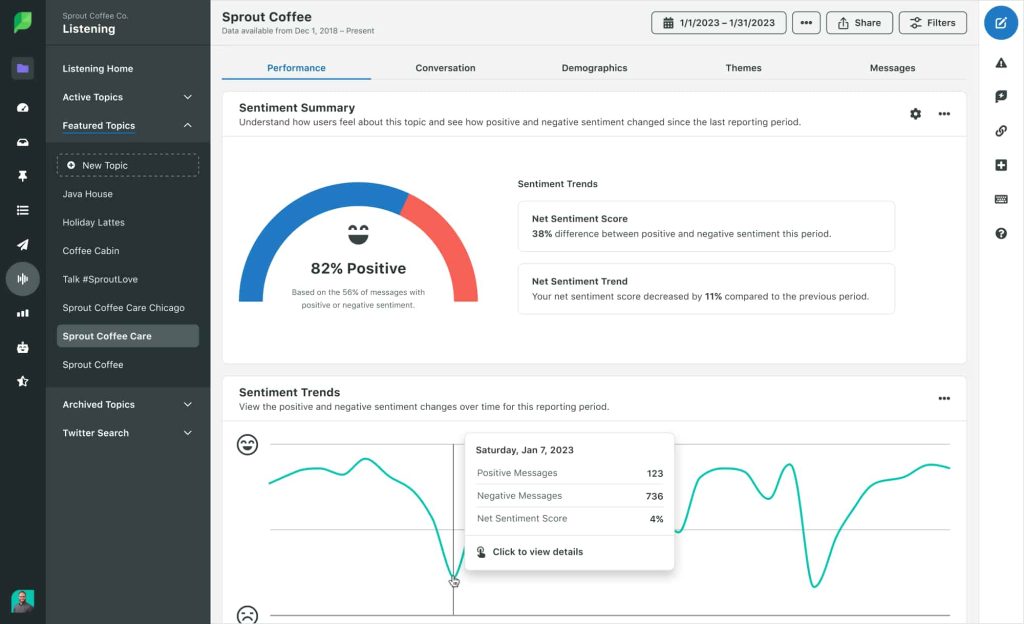
Customer sentiment reflects the emotional tone behind what your customers say about your brand. Maybe they are thrilled. Maybe they are frustrated. Maybe they are just meh. These responses actually tell you a lot about how your decisions are landing.
Also, keep an eye on reviews, comments, chatters, and survey responses. Over time, you will notice what is working and what is not.
2. Branded Search Volume
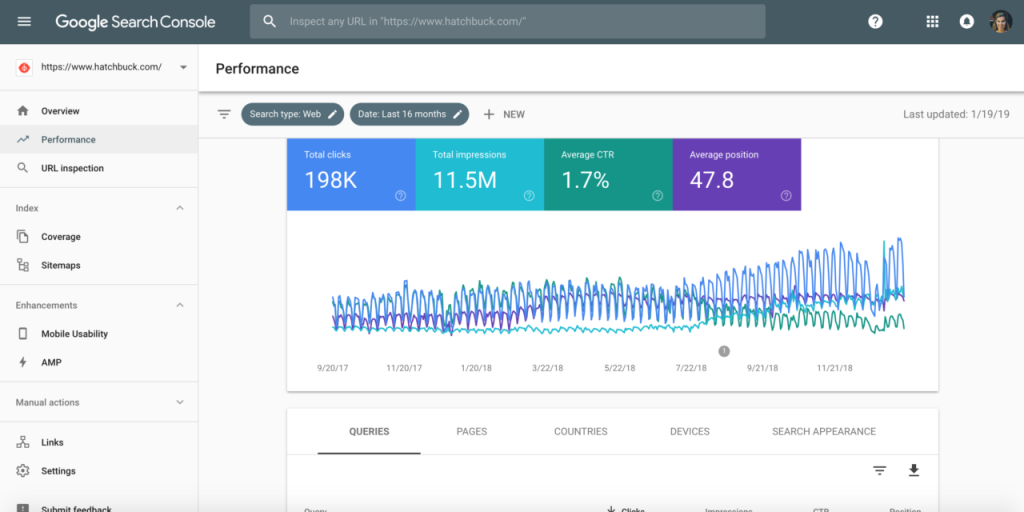
Branded search volume points to you how often your audience searches for your brand by name. If someone types your name into Google, it means your brand made an impression. Tracking these searches in tools like Google Search Console helps you understand which campaigns have stronger awareness.
3. Customer Surveys

Surveys make it easier to understand how well your audience knows your brand and the impression you are leaving on them. They help you understand recognition. Simple awareness surveys or quick post-purchase questions can show your strengths. Exposing where you need to improve. All of these can be valuable to guide you toward building a clearer, more effective brand identity.
4. Google Trends Data
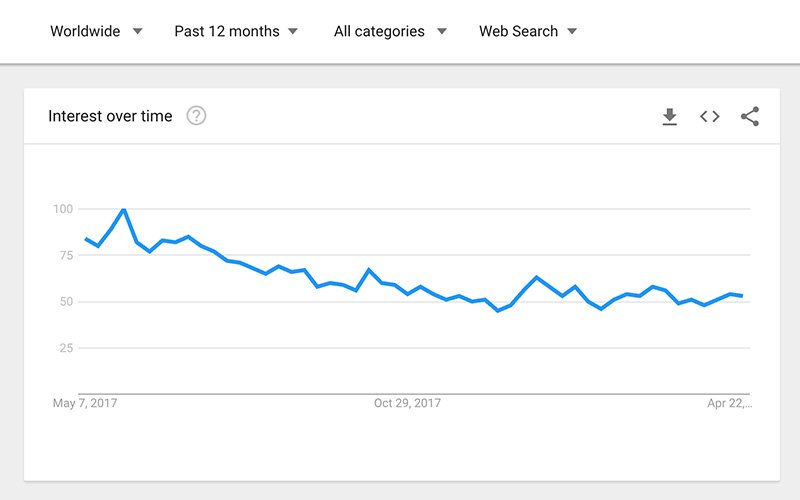
Another great way on how to measure brand awareness is to look into Google Trends. When search interest moves up, it usually means your brand awareness is growing. If it stays flat or drops down, it might be a sign that you need to boost your brand’s visibility.
5. Share of Voice (SOV)
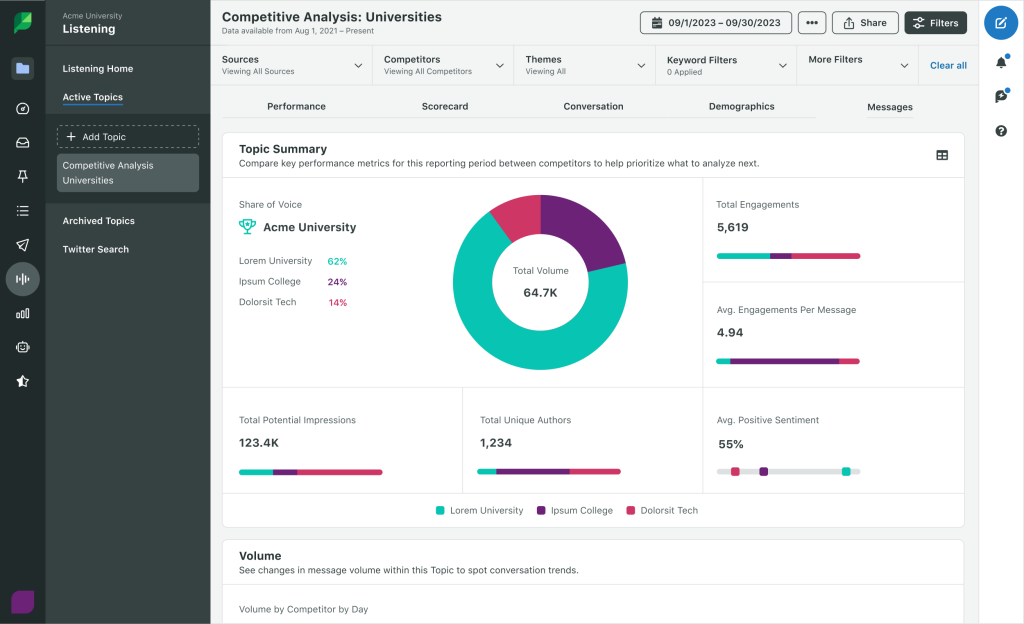
This type of metric shows how much space your brand takes up in your market compared to your competitors. If it’s high, it means people are mentioning and sharing your brand more often. Therefore, make sure to track your SOV across online news. Social media. Online discussions. These will help you understand your influence.
6. Earned Media Value (EMV)

Ever wonder how often people talk about your brand on their own? That is where Earned Media Value comes in. It tracks all the unpaid attention you get from mentions, articles, influencer shoutouts, and social shares. The more EMV you see, the stronger your brand awareness and reputation usually are, especially when the sentiment is positive.
7. Referral Traffic and Backlinks

Referral traffic tells you how many people land on your site because someone else mentioned or linked to you. It could come from a blog, a review, a social post, or a partner site. Backlinks do the same thing for SEO by showing search engines that your site is worth paying attention to. When reputable sites send traffic your way, it is a pretty clear sign that your brand is earning trust.
8. Search Traffic (Organic Traffic)
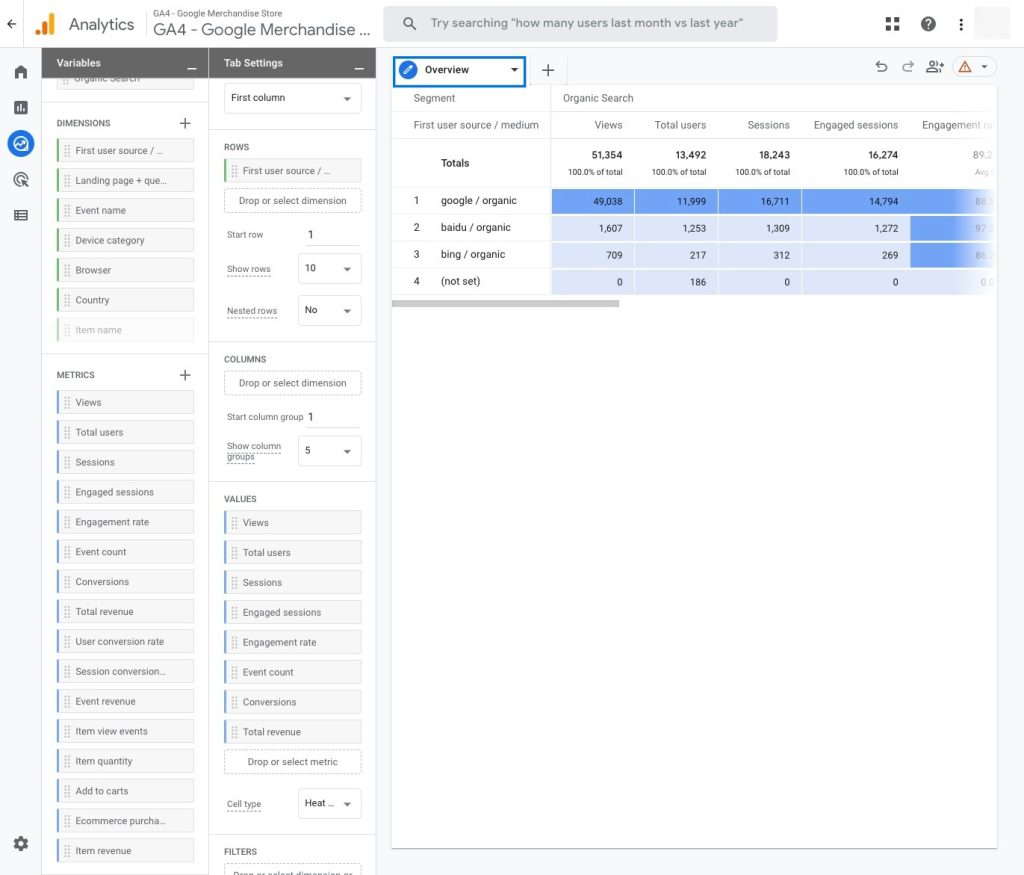
Organic search traffic is another solid way to figure out how to measure brand awareness. It simply shows how many people find your site through search. Tracking it over time helps you understand whether your SEO and marketing strategy are helping them discover your brand.
9. Conversions
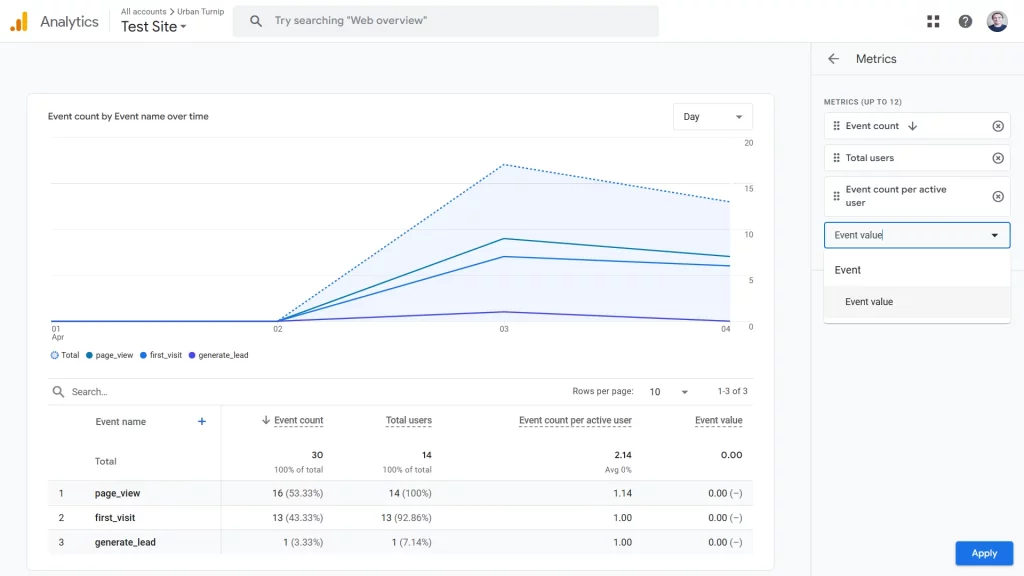
Conversions show you the moment when awareness turns into real action. Maybe someone signs up, grabs a download, joins your list, or decides to buy. Watching these actions makes it easier to see whether recognition is turning into meaningful engagement.
10. Social Media Engagement
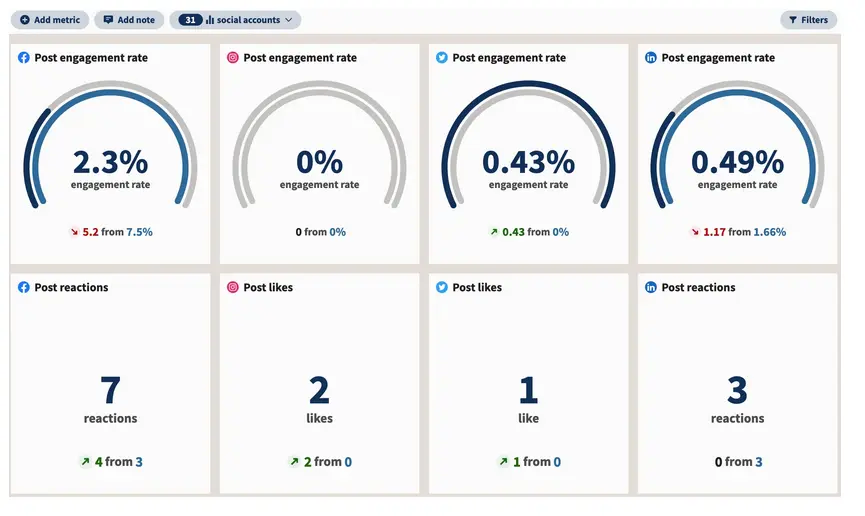
Last but not least, this type of metric covers how people interact with your posts. It can be from comments to likes, shares and views. Having said that, high engagement is a sign your content is working. It also helps your reach grow.
Why Measuring Brand Awareness Matters
Once you adapt to these metrics, you will see why measuring brand awareness is so important. You cannot improve something you are not tracking. Awareness data shows how people see your brand. What kind of messaging is landing? What is missing the mark? And more importantly, where your marketing is actually making an impact.
1. Get clarity on how well your marketing campaigns are performing
If you have ever asked yourself whether people are actually seeing your campaigns, metrics give you the answer. They reveal which channels are working on. What is your audience responding to? Which campaign ideas you should continue to support?
2. Understand customer trust and loyalty
Awareness and loyalty go hand in hand. Dig deeper into these emotional cues. Learn how and why your potential customers engage. What they click. How do they respond to your content? And what they share. All of these things reveal how they feel about your brand.
3. Strengthen your competitive positioning
Your audience is not only comparing you to what they expect from you. They compare you to every competitor they come across. That is why awareness metrics are so useful. They show how well you stand out.
Mastering Brand Awareness with Better Metrics
At the end of the day, brand awareness is not something you want to guess your way through. When you rely on real metrics, it becomes much easier to understand how your brand shows up in your potential customers’ minds. These insights reveal what is resonating. What needs some fine-tuning? More importantly, where your marketing is actually making an impact.
If you are ready to move from guesswork to something measurable and scalable that is interactive, explore what you can create with Dot.vu. Try our 300+ different Interactive Content templates with our 14-day free trial or book a call with us to see how you can make your brand truly memorable.