TL;DR – Quick Summary
Marketing beauty products isn’t just about vibes, packaging, or how aesthetic your Instagram grid looks. It’s about helping people choose the right product, trust that it will work for them, and feel confident enough to hit “buy.”
This guide zooms in on marketing beauty products at the product level — think individual skincare, makeup, and haircare items — not just generic brand awareness. You’ll get practical tactics for:
- Pre-launch, launch, and post-launch campaigns around specific products
- Digital marketing for beauty products that supports real decisions, not just “likes”
- Using interactive tools like quizzes and guided selling experiences so shoppers can find their best match faster
If you’re done with vague “do more content” advice and want actual levers to pull, this one’s for you.
Beauty shoppers are not struggling with a lack of options. They’re struggling with too many. The stakes are high too because the global beauty and personal care products market was worth around USD 601 billion in 2024 and is projected to reach about USD 1232 billion by 2034, growing at roughly 7.4% annually. It’s important to know that
People are scrolling through:
- a sea of similar products,
- competing claims that all sound equally convincing,
- and product pages that promise miracles but don’t say clearly, “Yes, this is for you.”
According to a consumer survey found that 73% of consumers feel overwhelmed by too many choices, and 74–75% have walked away from purchases.
This is because in their point of view, choosing a serum or mascara isn’t just shopping; it’s a mini risk assessment. Will this break me out? Will this shade make me look alive or vaguely unwell? Is this hair mask actually repairing anything or just sitting there smelling nice?
And that’s why we have to separate two things:
- Marketing a beauty brand → “Why should I care about you at all?”
- Beauty product marketing → “Why should I buy this specific product… right now?”
This guide is all about the second one: how to market beauty products so people feel sure enough to move from “interested” to “add to cart.”
If you want the bigger-picture stuff like brand positioning or overall beauty industry marketing strategy, that belongs in your brand-level content. Here, we’re staying tight on the product.
Table of Content:
- What Makes Marketing Beauty Products Different From Marketing a Beauty Brand
- How to Market Beauty Products Online (Step-by-Step)
- Beauty Product Marketing Strategies That Actually Drive Conversions
- Marketing Beauty Products by Category
- Common Mistakes in Marketing Beauty Products
- How to Measure Success in Beauty Product Marketing
- Marketing Beauty Products Is About Confidence
What Makes Marketing Beauty Products Different From Marketing a Beauty Brand
A lot of beauty brands accidentally use brand playbooks to solve product problems — and then wonder why product pages don’t convert. The reality is: the mindset, messaging, and metrics are different.
At a high level:
Brand marketing = long game.
You’re shaping how people feel about your brand over time. Values, story, aesthetic, vibe, category leadership — all of that lives here. It’s big-picture, long-term, and usually harder to measure day-to-day.
Product marketing = decision game.
Here, you’re answering uncomfortable but real questions:
- “Is this right for my skin type or hair type?”
- “Is this going to solve my actual problem?”
- “Is this better than what I already use?”
- “What if I choose wrong and regret it?”
Customers compare products, not mission statements.
When someone is mid-scroll on a category page, they’re comparing:
- texture, shade, finish,
- ingredients, claims, routine steps,
- before/after photos and reviews.
They are not thinking about your brand manifesto. They’re thinking, “Will this one work for me?”
One bad product experience can tank trust in the whole brand.
If the foundation oxidizes, the “hydrating” cream stings, or the “repairing” hair mask does nothing, that disappointment doesn’t stay neatly contained to that SKU. It bleeds into how they see everything you sell.
So beauty product marketing needs to be obsessively focused on:
- reducing risk,
- clarifying who the product is and isn’t for,
- making comparisons easier,
- and helping people feel like they’re making a smart, informed decision.
That’s very different from broader beauty marketing, where you’re more focused on storytelling, positioning, and long-term growth.
How to Market Beauty Products Online (Step-by-Step)
Let’s get tactical. If you’re launching or pushing a specific product, your digital marketing for beauty products should have a clear lifecycle: pre-launch, launch, and post-launch. Each phase has a job; skipping one usually shows up later as poor performance.
Pre-Launch — Build Demand Before the Drop
Pre-launch is your chance to warm people up so launch day doesn’t feel like introducing a stranger. You’re not just teasing the product — you’re priming people to see it as the answer to a specific problem they already have.
You can do this with:
Waitlists
Instead of “We’re launching something soon,” try:
- “We’re launching a moisturizer for reactive, easily irritated skin. Join the waitlist to be first in line.”
This lets you collect emails and basic info (skin type, concern, hair type, etc.) and map out who’s actually interested. One survey on beauty shoppers found that 83% have bought skincare after an online search — and the numbers are just as high for makeup (80%) and haircare (76%). In other words, people are researching, comparing, and then buying.
Early access
Give existing customers, loyalty members, or quiz-takers a private early access window.
- It creates a sense of exclusivity
- It rewards people already in your ecosystem
- It gives you early feedback and reviews before the wider launch.
Sneak peeks
Share the “why” behind the product:
- What gap does it fill in your current range?
- Which customers did you design it for?
- What problems did you want to fix this time that other products don’t solve well?
“Coming soon” product pages
Don’t wait for the launch day to set this up. Use a pre-launch product page to:
- explain benefits and key claims,
- share early ingredient or texture information,
- collect “Notify me” sign-ups.
The point isn’t drama or hype for the sake of it. It’s to get the right people thinking, “Okay, this could genuinely be my next product.”
Launch — Make the Product the Hero
Launch is when you give the product its big moment — but with structure, not chaos. Instead of blasting generic “New!” messaging everywhere, anchor your launch around how this product fits into someone’s actual life.
Tactics that work well:
Limited-time bundles
Position the product inside a routine:
- “Barrier-repair starter set,”
- “Frizz-free wash day trio,”
- “Everyday complexion essentials.”
Bundles help shoppers visualize how this product plays with others — and boost your average order value without feeling pushy.
First-purchase incentives
Keep it tied to the product:
- bonus points for buying the new SKU,
- a sample that complements it,
- or free shipping when the product is in the cart.
You’re nudging people toward trying this specific product, not just discount-hunting.
Guided product discovery at launch
Instead of just pumping money into ads that yell “NEW PRODUCT,” help people figure out whether this product is their match:
- quick quizzes (“Is this formula right for your skin type?”),
- short interactive guides (“Build your evening routine”),
- or guided flows that recommend the product only when it truly fits.
Your launch goal is simple: take people from curiosity to clarity as quickly as possible.
Post-Launch — Keep Momentum Alive
Post-launch is where a lot of brands quietly abandon the product. It gets added to the catalog, the hype fades, and unless someone accidentally finds it, it just… exists. Not ideal.
To avoid that:
Retarget based on product interaction
Segment people by their behavior:
- viewed → no add to cart,
- added to cart → didn’t purchase,
- bought once → no repeat.
Then speak to each group differently with education, reassurance, or follow-up relevant to where they dropped off.
Create education content tied to that product
Keep showing up with value:
- explain where it fits in a routine,
- show how it compares to existing products,
- answer “When should I use this?” or “What should I pair it with?”
The more friction you remove, the easier the second and third purchase become.
Follow-up personalization
Use post-purchase flows for actual learning, not just “Thanks for buying!”:
- ask how it’s working,
- ask about their main concerns,
- recommend next steps based on their experience so far.
Post-launch should feel like the beginning of a relationship with that product, not the end of your campaign. Need inspiration? Here’s 6 examples of personalized marketing you can use today.
Beauty Product Marketing Strategies That Actually Drive Conversions
If there’s one mindset shift worth making, it’s this: your job is not to create “fun experiences.” Your job is to help someone make a decision they feel good about. Studies show that Interactive Content like quizzes and guided experiences can drive up to 2x more conversions, and in some cases generate 5x more views and over 50% higher engagement than static content — because they help people get to the right product faster instead of leaving them to decode a category page.
That’s where certain beauty product marketing strategies really shine:
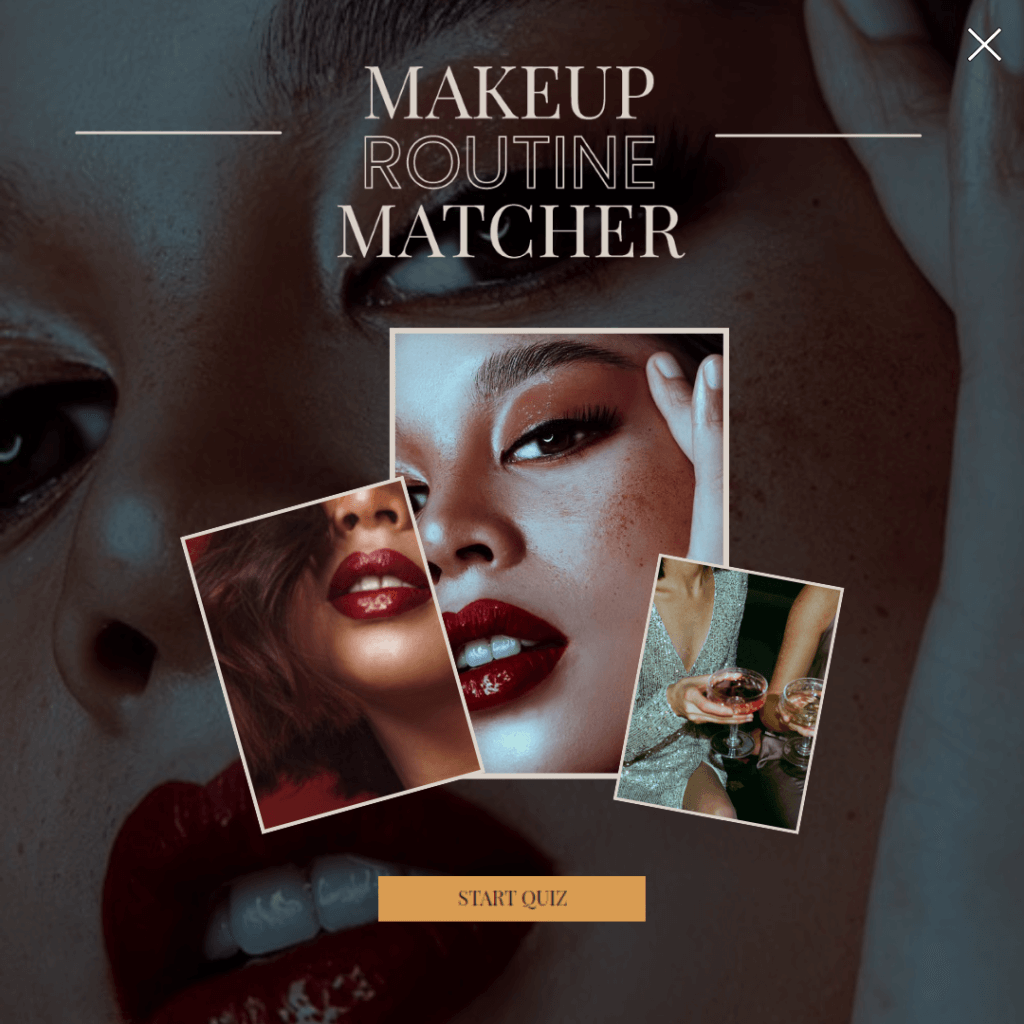
Product Quizzes
Great for: shade matching, skin type matching, routine building, and hair concern mapping. Instead of dumping shoppers into a giant category list, you ask a few targeted questions and then show:
- “Here are your top 2–3 best matches,”
- with explanations tailored to their answers.
Guided Selling experiences
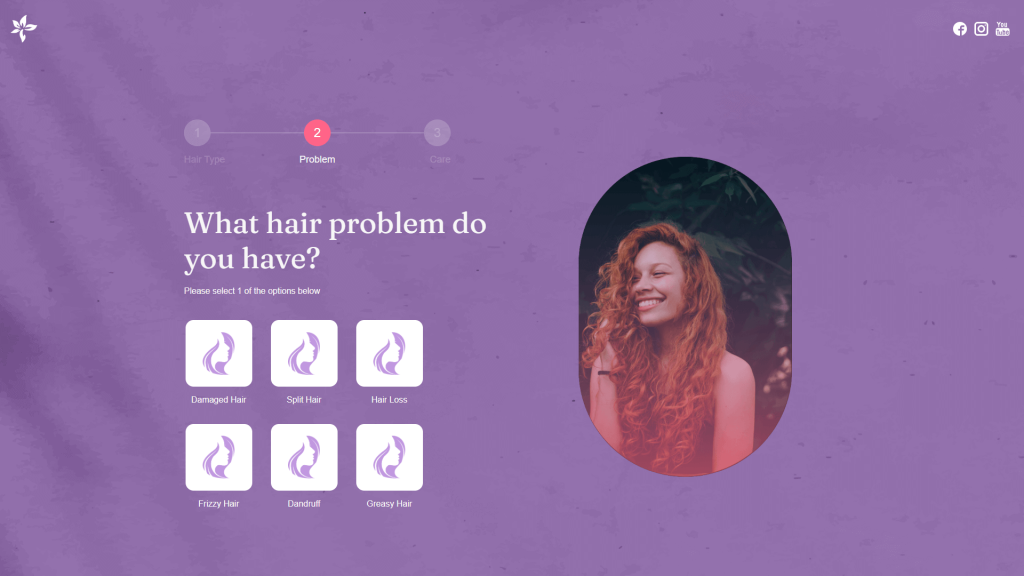
Think of these like interactive consultations:
- shoppers choose their main goal (clearer skin, smoother hair, long-lasting makeup),
- you ask about preferences and current routine,
- you recommend a small set of focused products.
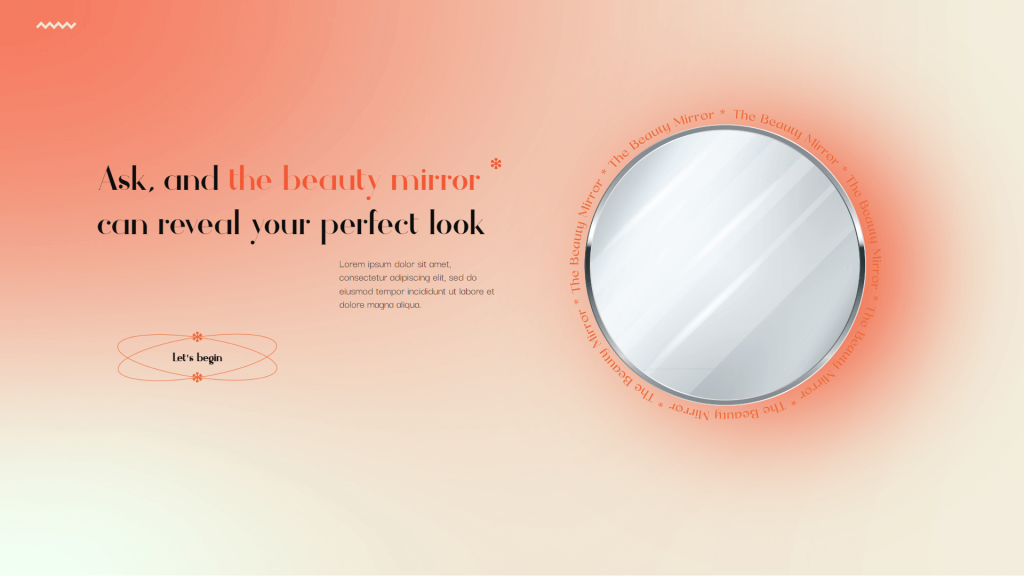
Interactive Product Recommenders
These work well when you have multiple options that look similar. You can:
- filter by concerns, sensitivity level, routine complexity, hair texture, or finish preference,
- and dynamically surface the products that make the most sense for that profile.
Shoppable content that reduces friction
Tutorials, UGC, and routine explainers are great — but they’re even better when people can shop directly from them:
- “Shop this routine,”
- “Shop this look,”
- or clickable hotspots in an Interactive Experience.
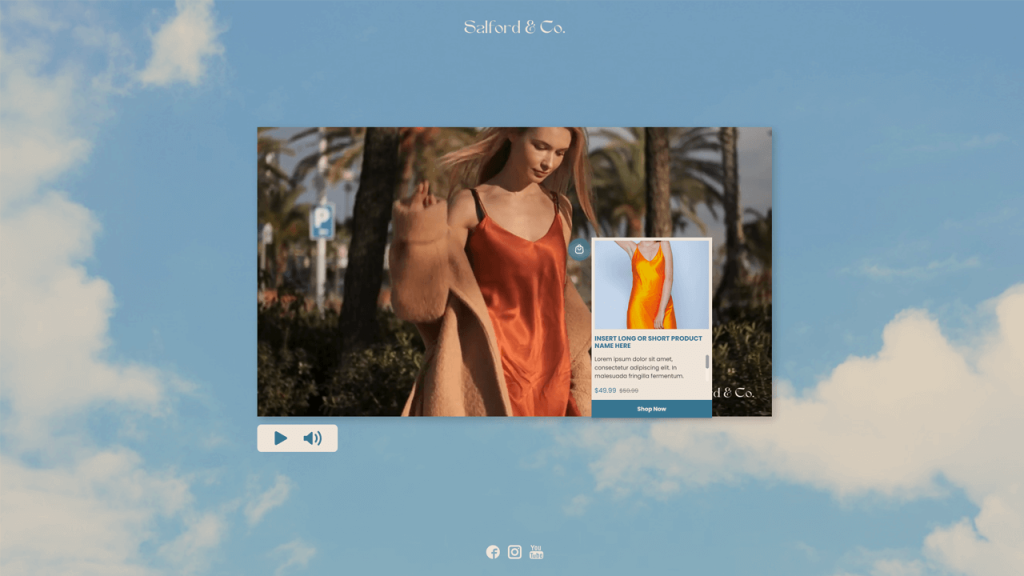
This is where a platform like Dot.vu slots in neatly. Instead of static pages that hope visitors figure it out, you use Interactive Quizzes, guided flows, and shoppable content to turn browsing into confident decisions.
The keyword here isn’t “engagement.” It’s clarity. Check out this content marketing guide for more more ideas!
Marketing Beauty Products by Category
Different beauty categories come with different anxieties, expectations, and decision-making patterns. Let’s break down how to market skincare, makeup, and haircare without treating them like one-size-fits-all.
Marketing Skincare Products
Skincare is personal and high-stakes. People have been burned (sometimes literally) by products that didn’t work for them, so trust is harder to earn.
Strong skincare product marketing usually leans into:
Education over aesthetics
Yes, nice visuals matter. But buyers want to know:
- what this product actually does,
- how it works,
- who it’s for,
- and how long it might take to see results.
For example: “Hydrating serum” isn’t enough. “Supports a damaged skin barrier and reduces visible redness over time” is closer.
Concerns → ingredients → results flow
Structuring your story like:
- “If your main concern is X…”
- “Here’s how this formula addresses that concern…”
- “Here’s what real users experienced.”
This makes it easier for someone to see themselves in the narrative.
Personalization as a baseline, not a bonus
Acne-prone, rosacea-prone, oily, dry, or combo skin all have different needs and fears.
Tools like quizzes, guided recommenders, and targeted content help people avoid that “I’m guessing and hoping” feeling.
Marketing Makeup Products
Makeup is more playful, but the decision risks are still there: wrong shade, wrong undertone, wrong finish, bad wear time. People want proof and visual guidance.
Good marketing cosmetic products usually make space for:
Visual confidence
Help people imagine the product on them:
- show shades on multiple skin tones,
- include different lighting conditions,
- show texture (matte, dewy, sheer, full coverage) clearly.
Try-before-you-buy logic
If you can’t offer physical testers, go digital:
- virtual try-ons,
- “If you use [popular shade/brand], try this” comparisons,
- undertone and depth guides.
Interactive discovery over endless scroll
Instead of a wall of product thumbnails:
- let people shop by “look” or occasion,
- connect tutorials to “Shop this look,”
- create mini flows that help them narrow down from your full range to a few strong options.
Marketing Haircare Products
Haircare is all about long-term habits and stubborn problems: frizz, damage, dullness, breakage, dryness, buildup. No one wants another random bottle; they want a system that makes sense.
Effective marketing for beauty products in haircare often focuses on:
Routines, not standalones
Show how products fit together:
- wash-day routines,
- repair routines,
- low-maintenance vs high-maintenance options.
You’re selling a path, not just a bottle.
Problem → solution framing
Be very specific:
- “If you’re dealing with heat damage…”
- “If your curls lose definition by midday…”
- “If your color looks dull after two weeks…”
Then connect each problem directly to the product and how it’s meant to be used.
Product pairing and bundles
Don’t make people guess which conditioner or mask works best with which shampoo. Package complete routines with:
- clear usage instructions,
- frequency recommendations,
- and expectation-setting: “You’ll start noticing X by week 2–3.”
It’s all about having the right strategy for your brand, here’s 10 retail marketing ideas you can use in your beauty marketing strategy.
Common Mistakes in Marketing Beauty Products
Let’s be honest — some of these you’ve probably seen… and maybe done once or twice.
Common traps:
Talking features instead of outcomes
Listing actives and percentages is useful, but not enough. If you don’t connect the features to results (“This means fewer breakouts / more shine / less frizz”), you’re making the shopper do the translation.
Overwhelming shoppers with too many options
There’s a reason “too many options” kills conversions. In one famous study, when shoppers saw 24 options, only 3% bought anything — but when the choice was cut down to 6, about 30% bought. Same store, same product category, completely different decision experience.
A massive product grid without guidance feels like homework. If you have dozens of SKUs but no:
- filters,
- quizzes,
- “start here” guidance,
people will bounce rather than gamble.
Treating all customers the same
One generic message for all skin types, tones, ages, hair textures, and routines doesn’t land. Segmented messaging almost always wins in beauty product marketing because people want to feel seen.
Expecting ads to “do the explaining”.
Your ads should:
- grab attention,
- hook interest,
- create a reason to click.
Your quizzes, product pages, and content should do the heavier education and reassurance work.
If customers are confused or unconvinced, they don’t buy. That’s not a demand problem. It’s a marketing problem.
How to Measure Success in Beauty Product Marketing
Here we’re not chasing fuzzy “brand lift” metrics. We’re looking at how individual products perform and how your marketing beauty products efforts influence that.
Key metrics to watch:
Product-level conversion rate
- How well does this specific product page convert?
- Are people dropping off at the description?
- Do they scroll but never add to cart?
Changes in assets, copy, or education should show up here.
Assisted conversions
Track the impact on actual purchases through:
- quizzes,
- guided experiences,
- recommenders,
- shoppable content,
If many buyers pass through these tools, they’re not “extras” — they’re core to the customer journey.
Time to purchase
How long does it take someone to go from first touch to first purchase?
If it’s long, you might need better education, more clarity, or stronger decision support.
Repeat purchase by product
First-time purchases tell you the marketing worked.
Repeat purchases tell you the product delivered.
Both are important, but repeat purchase is where long-term revenue and loyalty come from.
This is where digital marketing for beauty products becomes genuinely data-driven — not just “we’re getting traffic, so it must be fine.”
Marketing Beauty Products Is About Confidence
At the core of all of this is a simple idea: your job isn’t to be the loudest brand in someone’s feed. It’s to make them feel confident that this product is right for them.
That means:
- more clarity, less confusion
- more decision support, less guesswork
- more personalized journeys, fewer generic promises
When you treat beauty product marketing as a way to reduce risk and build confidence, everything starts working better: launches, product pages, repeat purchases, and even your overall brand perception.
If you’re not sure where to start, pick one hero product, ask “Where are people getting stuck or confused?” — and build a better journey around that. Then repeat for the rest of your lineup. Get started today with a 14-day free trial and try over 300+ templates!