
TL; DR
A Black Friday marketing strategy brings your audience, offer, campaign channels, and customer experience together.
Without that connection, you may end up with several promotions running at the same time but there is no clear journey between them.
A stronger strategy helps you build interest earlier. It makes your products easier to explore. Personalize the experience. More importantly, it continue the customer journey after the promotion ends.
A Black Friday campaign needs more than a bigger discount
Black Friday is one of the busiest periods on the marketing calendar. And almost every brand is promising that this is definitely, absolutely, unquestionably the offer shoppers cannot miss.
People can only pay attention to it so much.
The opportunity is still enormous. According to Adobe’s 2025 holiday shopping data, Black Friday generated a record $11.8 billion in US online spending, up 9.1% from the previous year.
But higher spending also brings more competition.
A large discount may get someone to click. It does not automatically help them understand which product they need. Why the offer is valuable. Or what they should do next.
That is where strategy comes in.
A strong Black Friday marketing strategy connects everything around the promotion.
The audience. The offer. The message. The channels. The shopping experience. And what happens after someone buys or leaves without purchasing.
When those pieces work together, the campaign becomes easier for shoppers to understand.
And easier for you to improve.
Why you need a Black Friday marketing strategy?
Black Friday marketing often begins with a familiar question.
What discount should we offer?
That matters. But it is only one part of the campaign.
You also need to decide who the offer is for? When to introduce it? How shoppers will find relevant products? What should happen after they interact.
Without a clear plan, brands can end up running several promotions that do not support the same goal.
Shoppers begin comparing offers early
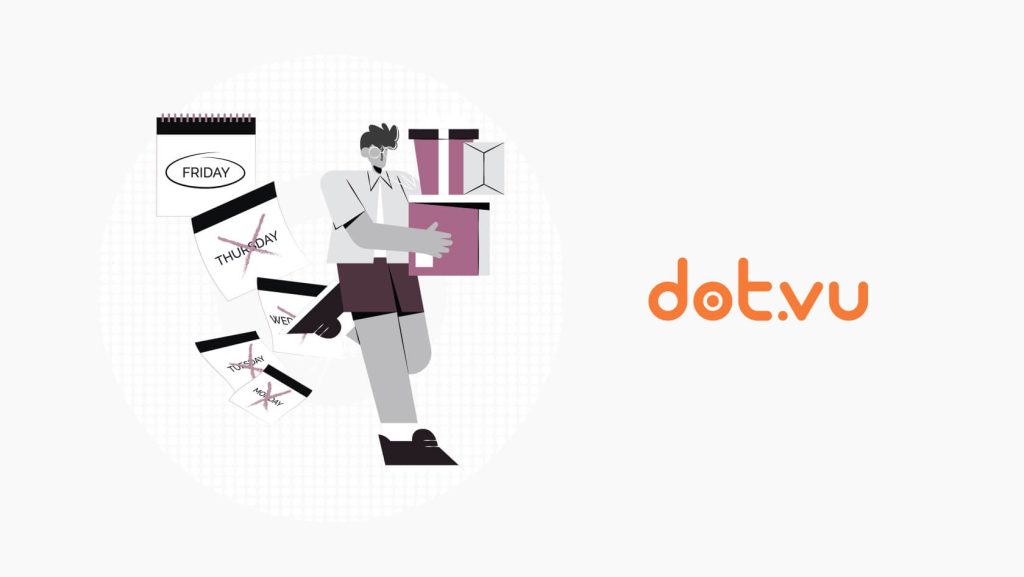
Black Friday may have “Friday” in the name, but the shopping journey starts much earlier.
In 2025, the National Retail Federation found that 58% of shoppers had already started their holiday shopping by early November.
That gives brands a longer window to build awareness.
Shoppers have more options to compare
People can move between search engines, social media, marketplaces, email, review websites, and AI shopping tools within minutes.
They may arrive at your website knowing roughly what they want.
Or they may have twelve tabs open and no idea which option makes sense.
A clear strategy should account for both.
It needs to attract attention. At the same time, it also needs to make the decision easier once someone arrives.
Your channels need to tell the same story
eDMs are only one part of the campaign. Social media. Paid ads. Website popups. And landing pages also need to support the same message and goal.
The experience should feel connected.
That consistency is what turns several marketing activities into one Black Friday marketing strategy.
How to build a Black Friday marketing strategy?
Effective Black Friday marketing strategies do not begin with a list of promotional formats.
They begin with a decision.
What do you want the campaign to achieve?
Once that is clear, you can choose the marketing ideas for Black Friday that actually support it.
1. Start with one clear campaign goal
Black Friday can support several business goals, including:
- Increasing revenue
- Attracting new customers
- Growing average order value
- Generating leads
- Clearing selected inventory
- Encouraging product discovery
- Rewarding loyal customers
- Collecting customer preferences
You may care about more than one. Still, choose a primary goal.
It will help you decide which offer to create. Who should receive it. And how the campaign should work.
2. Review last year’s campaign
Last year’s campaign has already left clues.
Look at which products are sold? Which channels brought useful traffic? Where shoppers dropped out of the journey? These clues can help you improve this year’s strategy.
You can also review:
- Bestselling products
- Conversion rates
- Average order value
- Email clicks
- Landing page engagement
- Cart abandonment
- Customer questions
- Mobile performance
- Most-used discount codes
- New and returning customer behavior
3. Identify the shoppers you want to reach
Different shoppers need different reasons to choose your offer.
An existing customer may already know your products and respond well to early access.
A first-time visitor may need more product information or guidance before making a decision.
A loyalty member may expect an exclusive reward, while a gift shopper may need help finding the right product.
You can also use audience insights from previous Interactive Experiences to understand what different groups care about.
4. Create an offer that supports the goal
Once you know who you want to reach, decide what would make the campaign valuable to them.
Your offer could include:
- A percentage or fixed-price discount
- Free delivery
- A gift with purchase
- Early access
- A product bundle
- A loyalty reward
- An exclusive product
- Savings on selected categories
Whatever you choose, keep the offer easy to understand. Shoppers should immediately know what they receive and how to qualify.
5. Build interest before Black Friday
By the time Black Friday arrives, your shoppers may have already seen dozens of promotions.
Introducing your campaign earlier gives them more time to explore what you offer and decide whether they want to return.
You could:
- Add an interactive countdown
- Create an early-access list
- Run a Marketing Game that reveals part of the offer gradually
- Run a preference Interactive Quiz
- Invite shoppers to save their favorite products
- Give loyalty members an early preview
6. Make product discovery easier
Some of your shoppers arrive ready to buy but still need help choosing the right product.
Showing every promotion at once can make that decision harder. Large product grids and multiple offer labels may leave people unsure where to begin.
A Product Recommender can narrow the options by asking a few questions about the shopper’s needs.
You can also use an Interactive Quiz or Guided Selling to organize products around different interests.
Keep the questions focused and make sure the final recommendations clearly reflect the shopper’s answers.
The aim is simple. Help your shopper spend less time searching and more time considering products that suit them.
7. Personalize the shopping experience
Not every shopper needs to follow the same path through your Black Friday campaign.
You can personalize the experience based on information such as:
- Product interests
- Budget
- Previous purchases
- Quiz answers
- Loyalty status
- Browsing behavior
- Campaign participation
- Who the shopper is buying for
For example, a returning customer could see products that complement an earlier purchase.
Someone interested in one product category could be taken directly to the most relevant offers instead of searching through the entire promotion.
As a result, your shoppers receive a more relevant experience. On the other hand, your brand gains a clearer understanding of what they want.
8. Give your shoppers a reason to participate
A discount may attract attention, but an Interactive Experience can encourage shoppers to spend more time with the campaign.
A Marketing Game can let your audience play for a reward such as a discount. Free delivery. Loyalty points. Or a product sample.
Possible formats include:
- A spin-to-win wheel
- A scratch card
- A memory game
- A slot machine
- A prize draw
- A timed challenge
- An hourly deal reveal
The reward should also feel worthwhile. If participation takes too long or the payoff feels too small, your audience may leave before finishing.
Games can also be added to Interactive Popups. This allows you to present the experience at a relevant moment, such as when someone returns to the website or prepares to leave.
Looking for more inspiration? Explore 11 Black Friday marketing ideas.
9. Plan the follow-up
The campaign does not need to end when the Black Friday promotion finishes.
By then, you may have customers who purchased. Visitors who explored products. There are early-access subscribers. Quiz participants, and people who played a Marketing Game.
Each group has shown a different level of interest.
Your customers may benefit from product guidance or recommendations that complement their purchase.
A participant who selected a preferred category could receive follow-up content related to that interest.
Use the information collected during the campaign to create more relevant segments and messages.
This helps you continue the conversation based on what each person did, selected, or purchased.
Find the right Interactive Experience for your Black Friday campaign
Interactive Content can strengthen your Black Friday marketing strategy. However, the right format depends on what you want the campaign to achieve.
A Product Finder can simplify product discovery. A Marketing Game can encourage participation. A personalized experience can help shoppers find relevant offers. The format should follow the campaign goal.
Not sure which experience fits?

Explore the Interactive Black Friday and Cyber Monday Campaign Guide.
The guide shows how Interactive Experiences can turn passive promotions into campaigns shoppers can play, reveal, explore, or personalize.
The guide will also match you with relevant Black Friday templates based on your priorities.
Once you find a suitable template, you can use it for inspiration or customize it with the AI Interactive Builder to fit your campaign.
Build your Black Friday campaign faster with the AI Interactive Builder
Black Friday campaigns often need to move from idea to launch quickly.
Offers may change. New products may be added. Landing pages and promotional experiences may need to be updated before the campaign goes live.
Dot.vu’s AI Interactive Builder can help marketers create the first version of an Interactive Experience using a prompt.
Based on the prompt, the AI Interactive Builder can generate the structure, questions, flow, and logic for the experience.
You can then edit the copy. Adjust the design. Add your branding. Refine the recommendations. Change the actions. And decide how customer data should be collected.
You can learn more about how to turn ideas into Interactive Experiences using the AI Interactive Builder.
Make your Black Friday campaign work as one
A strong Black Friday marketing strategy gives every part of the campaign a clear role.
The offer gives shoppers a reason to pay attention. Your marketing channels guide them toward the campaign. Interactive Experiences help them explore products, find relevant offers, and decide what to do next.
The information collected through those interactions can then support more personalized follow-up after the promotion ends.
With Dot.vu, you can create Interactive Quizzes. Product Recommenders. Marketing Games. And other Interactive Experiences that support the complete campaign journey.
Start your 14 day free trial and build a Black Friday experience your audience can actually take part in.