B2B Tech Marketing Isn’t Broken. The Buyer Journey Is.
There’s a lot of content in B2B tech marketing.
Companies have blogs, webinars, case studies, white papers, product videos, reports and comparison guides. However, even with this increased content, there are still a lot of prospects that fail to make a decision.
It’s not a lack of information as the problem.
It is a lack of leadership.
Before talking to sales, today’s B2B buyers are doing a lot of research. They do research on vendors, analyze the features, seek input from stakeholders, and draft business cases before completing a contact form. Overall, they come across many pieces of content, but few experiences that guide them in what to do next.
This has the effect of leaving buyers with having to piece things together themselves.
They go from blog posts to product pages, demos, and case studies, looking for a solution. All visitors have the same experience, irrespective of whether they are in the initial phase of the buying process, whether they have goals or challenges.
This generates friction, when buyers are seeking clarity.
The best B2B tech marketing methods are moving beyond content creation to guiding buyers. Experiences guide prospects through a complex decision, ensuring they are able to find solutions applicable to their needs, find the information relevant to their decision, and take the next steps with confidence.
In this article, we will be looking at the importance of guided buyer journeys in the B2B tech marketing world and their ability to help businesses improve customer experiences, engagement, and opportunities.
Table of content:
- B2B Tech Marketing Isn’t Broken. The Buyer Journey Is.
- What Is B2B Tech Marketing?
- The Modern B2B Tech Buyer Journey Has Changed
- Why Traditional B2B Tech Marketing Falls Short
- What Is a Guided Buyer Journey?
- How Guided Buyer Journeys Improve B2B Tech Marketing
- How to Build a Guided Buyer Journey
- The Future of B2B Tech Marketing Is Better Buyer Guidance
- Create Guided Buyer Journeys With Interactive Experiences
What Is B2B Tech Marketing?
B2B tech marketing refers to the strategies and activities used to promote technology products and services to other businesses.
Easy definition. Messier reality.
Most B2B technology purchases aren’t made because someone saw an ad and thought, “Yep, let’s buy that. Typically there are several stakeholders, longer sales cycles, numerous meetings, and at least one spreadsheet nobody wants to update.
So, education and building trust is a key part of B2B tech marketing in the buying process. Companies utilize a range of content marketing tactics, email marketing, product demos, webinars, case studies, and additional digital experiences to inform prospects about what they can put their fingers on and can choose.
However, the problem is that…
These days, most buyers aren’t having trouble getting information. It is a water world that they are drowning in.
In a quick search, you’ll find twenty blog posts, five comparison guides, three webinars and a dozen conflicting opinions from people who all sound very sure of themselves. At some point, research becomes a job.
This is why effective B2B tech marketing isn’t about creating more content because that’s what you need to get done. It’s the idea of assisting buyers understand what they’re already viewing and offering them a roadmap to follow.
The Modern B2B Tech Buyer Journey Has Changed
The way businesses purchase technology has changed dramatically over the last 10 years.
The sales team is no longer the first place customers go to get information. Instead they do their own research, check out vendors online, and use several sources to find out a little more about the business before contacting them.
This change places buyers in a better position to control the buying process, but also presents a new hurdle for marketers seeking to move prospects toward a buying decision. For B2B digital marketing leaders, optimizing website experiences to meet customer needs is a key priority in enhancing B2B buying journeys.
Buyers Research Independently
Today’s buyers can access a vast amount of information without speaking to a salesperson. The reality is that today’s B2B decision makers often research solutions in many different channels before making contact with a vendor.
Before they even fill out a form, they’re reading blogs, watching product demos, checking out pricing pages, downloading reports and making comparisons with competitors. When a prospect contacts you, they will have a good idea of what the market is like and a short list of vendors to consider.
This means marketers play a larger role in shaping the buying experience. Each piece of content, landing page and product resource is a part of the decision making process.
More Stakeholders Influence Decisions
B2B technology purchases rarely involve a single decision-maker.
A software investment may require approval from department leaders, IT teams, procurement specialists, finance stakeholders, and executive leadership. Each group has different priorities and concerns.
For example, a marketing leader may focus on usability and performance, while an IT team evaluates security and integration requirements. Finance stakeholders may prioritize cost efficiency and return on investment.
As more stakeholders become involved, the buying journey becomes increasingly complex.
Information Overload Creates Friction
Modern buyers do not struggle because they lack information.
They struggle because they have too much of it.
A prospect researching a solution may encounter dozens of blog posts, videos, webinars, product pages, and industry reports. While each resource may be valuable on its own, navigating such a large volume of content can make decision-making more difficult.
Instead of helping buyers move forward, excessive information often slows them down.
This is where many B2B tech marketing strategies begin to fall short. Companies focus on producing more content, but fail to provide a clear path that helps buyers understand which information is most relevant to their needs.
Why Traditional B2B Tech Marketing Falls Short
Many B2B tech companies invest heavily in content creation.
They publish blogs, launch webinars, produce case studies, create videos, and build extensive resource libraries. While these assets provide value, they often fail to guide buyers toward a decision.
The result is a marketing experience that informs prospects without helping them move forward.
Too Much Content, Not Enough Direction
Content remains one of the most important components of B2B tech marketing.
However, creating more content does not automatically create a better buyer experience.
A prospect researching a solution may encounter dozens of articles, product pages, reports, and customer stories. While each piece of content serves a purpose, buyers are often left wondering which resource they should engage with next.
Without clear guidance, valuable content becomes difficult to navigate.
The challenge is not the quantity of content available. It is the absence of a structured path that helps buyers progress through their decision-making process.
Every Buyer Gets the Same Experience
Not all buyers have the same goals, challenges, or level of knowledge.
A first-time visitor exploring a problem requires different information than a prospect comparing vendors or preparing a business case for internal approval.
Yet many websites present the same content to every visitor.
Regardless of where buyers are in their journey, they are often directed to the same product pages, resource libraries, and generic calls-to-action. This creates an experience that feels broad rather than relevant.
When buyers cannot quickly find information that addresses their specific needs, engagement often declines.
Buyers Are Left to Connect the Dots
Traditional marketing frequently assumes that buyers will assemble the information they need on their own.
A prospect may read a blog post, visit a product page, download a report, watch a webinar, and review a case study before understanding how everything connects.
This places unnecessary effort on the buyer.
Instead of helping prospects evaluate options and make decisions through digital engagement experiences, marketers often provide disconnected pieces of information and expect buyers to build their own journey.
For complex technology purchases, that approach creates friction.
The companies seeing stronger engagement and conversion rates are taking a different approach. Rather than simply providing information, they are actively guiding buyers through the decision-making process.
What Is a Guided Buyer Journey?
A buyer journey makes it easier for visitors to understand the next steps in their journey and get off that journey without spending three hours looking at all the options and then somehow ending up on a Reddit thread from 2019.
Guided experiences give buyers the opportunity to find relevant information quicker, rather than having to have to sift through endless blogs, webinars, case studies, and product pages. The aim is not to force buying. It’s to help them make decisions without being like a puzzle with half the pieces missing.
There is no one-size-fits-all information for all buyers. A person with a different goal than solving a problem isn’t looking for the same information.
There are various types of guided buyer journeys.
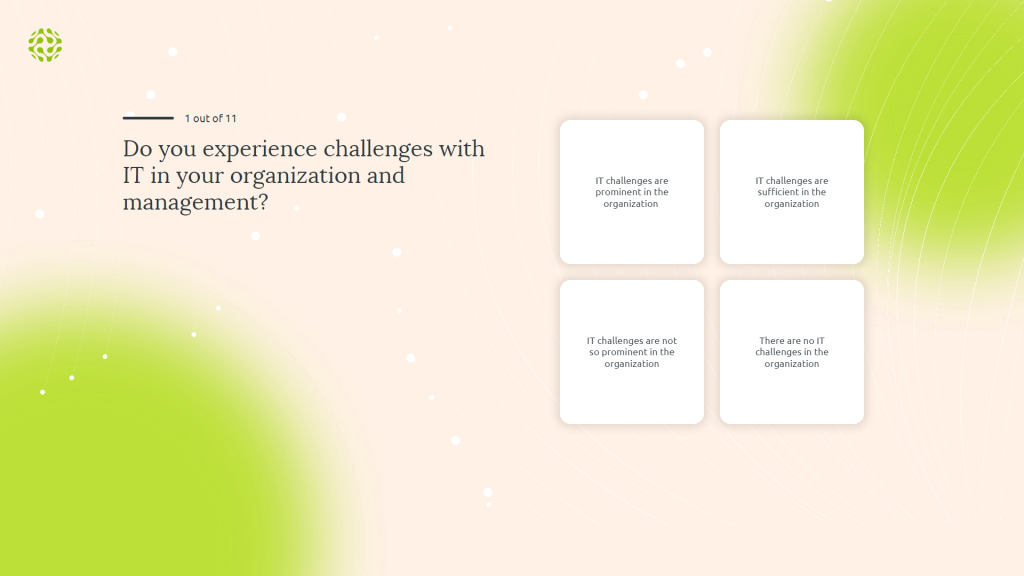
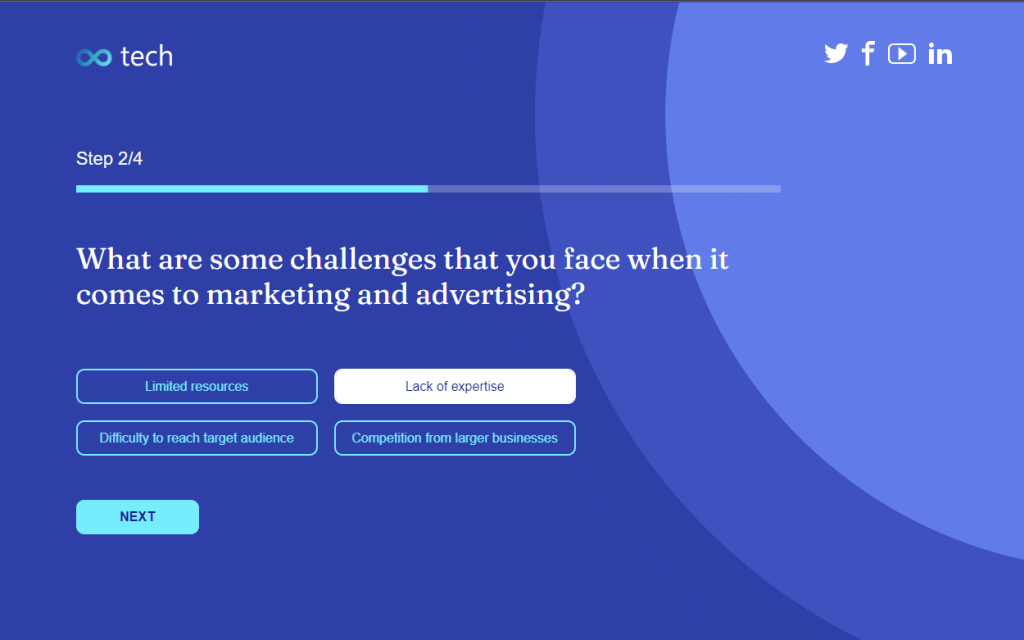
Interactive Assessments
The assessments provide buyers a roadmap to their current position and where they are going next. They don’t take a shot at what is and isn’t working, but they receive personalized information based on their answers.
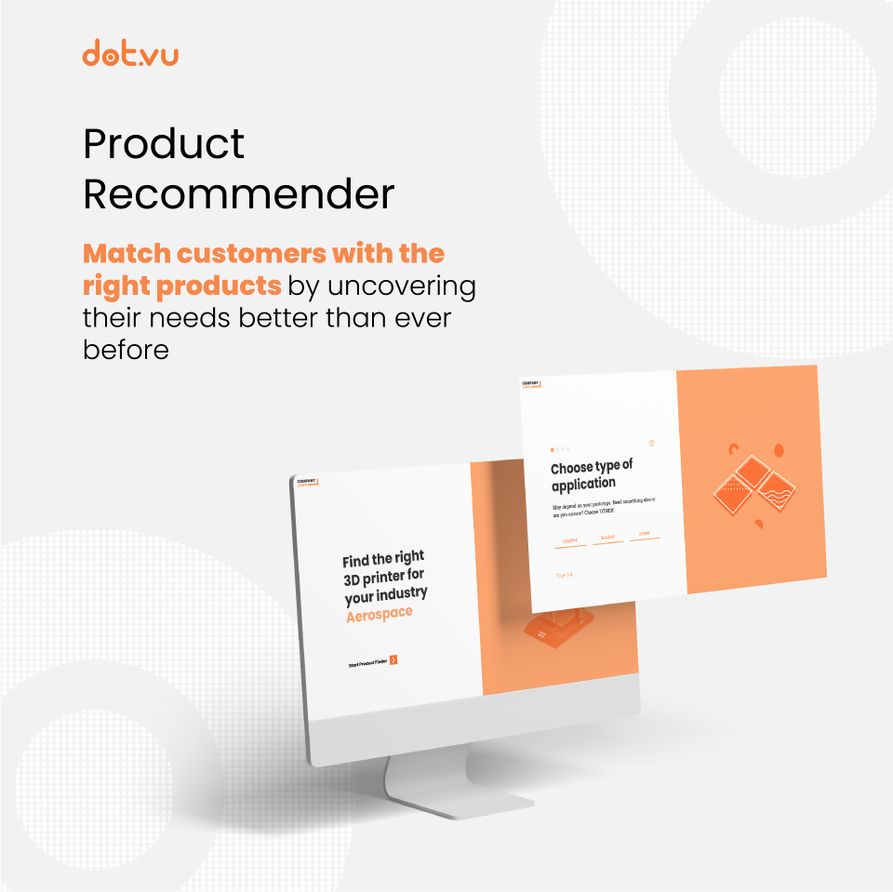
Solution Finders and Product Recommenders
Let’s be honest. Most buyers are not aware of precisely what they require as soon as they get up in the morning. Solution finders help them navigate a couple of questions and direct them in the right direction, avoiding yet another spreadsheet comparison.
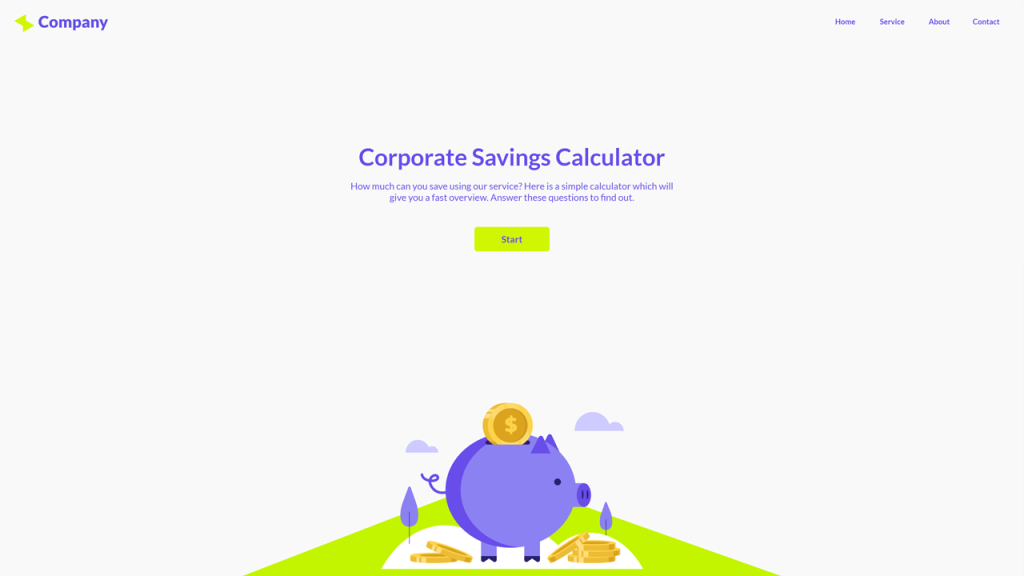
ROI Calculators
Somebody is going to ask: “What’s the business case for this?” ROI calculators allow the buyer to make a more solid case for internal approval and to determine the potential value.
Interactive Product Tours
Not all customers are interested in watching a complete product demo. Interactive Tours allow prospects to discover what is important to them and avoid what is not.

Personalized Resource Recommendations
It’s like handing over all the visitors to the same content library and saying “sorry, good luck”. Personalized recommendations assist buyers in locating the most value-adding resources according to their interests, goals or challenges.
Combined, these experiences provide a better future. Guided tours also help to convey information more quickly and assist the buyer to make a decision with less confusion and more confidence than they would create if they had to draw their own conclusions.
How Guided Buyer Journeys Improve B2B Tech Marketing
With the complexity of the buying process, B2B tech businesses must take creative approaches to their marketing strategies to go beyond creating awareness.
Guided buyer journeys help prospects navigate information, evaluate solutions, and make decisions with greater confidence. The means a better experience for buyers and stronger outcomes for businesses.
They Reduce Decision Fatigue
The technology buying process can often be a daunting exercise.
They need to scope features, assess the vendors, review vendor pricing, understand implementation needs, and seek stakeholder buy-in. The more they hear, the harder it is to make a decision.
Guided buyer journeys reduce this burden by helping prospects focus on the information that matters most to them.
Rather than presenting every available resource at once, marketers can recommend relevant content, tools, and next steps based on a buyer’s needs. This creates a more structured experience that helps buyers progress through the decision-making process without feeling overwhelmed.
They Deliver More Personalized Experiences
Modern buyers expect relevance.
Common experiences that are designed for all visitors typically do not meet individual goals, challenges and priorities.
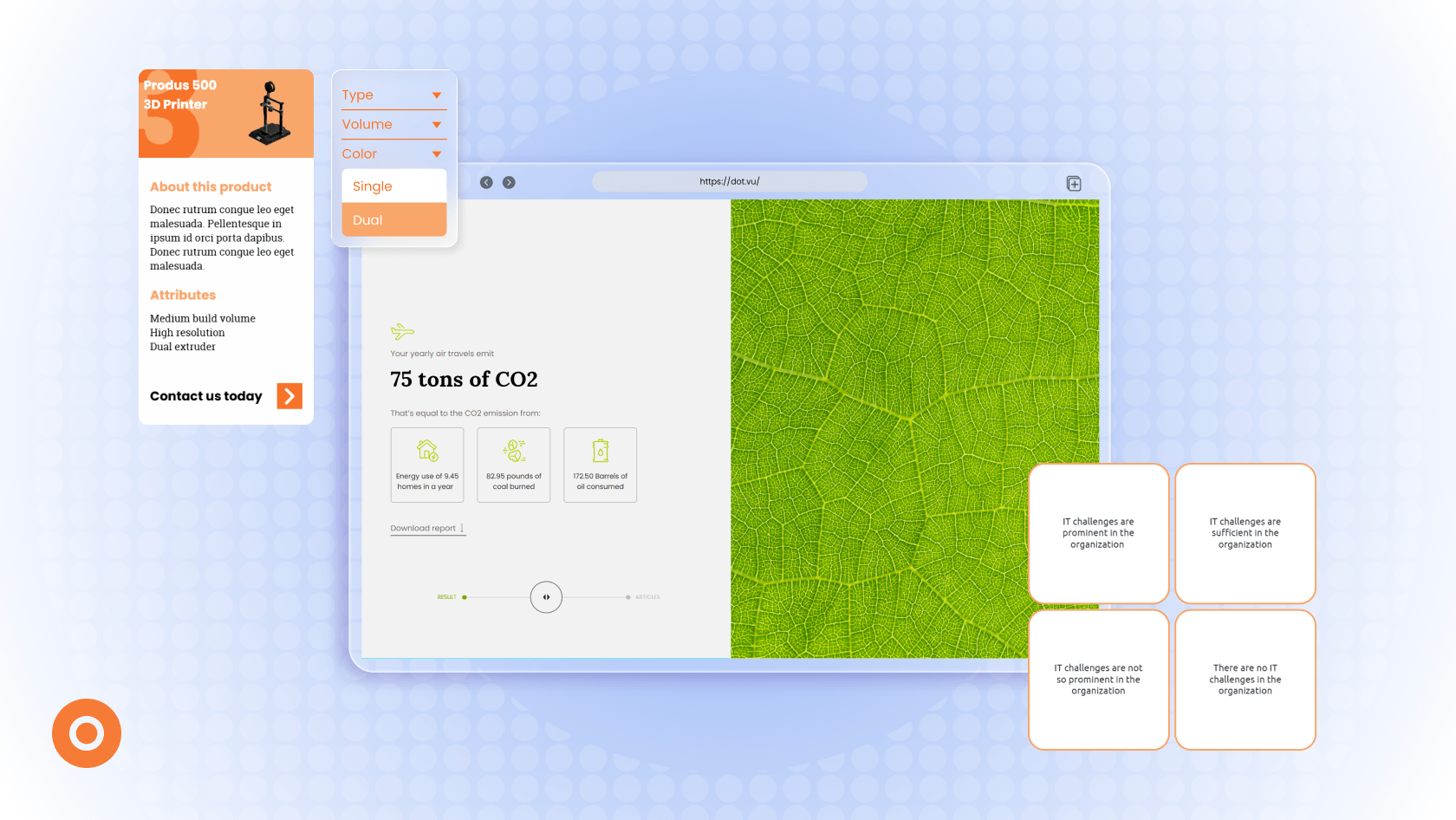
Guided buyer journeys create opportunities for personalization by collecting information directly from prospects through assessments, calculators, quizzes, and other Interactive Experiences.
For instance, a customer who’s looking to generate more leads might be offered a different solution than a customer who wants to focus on customer retention or operational efficiency.
This level of personalization enables buyers to quickly locate relevant information, and enhances their overall experience.
They Capture Better Buyer Insights
The one major benefit of guided buyer journeys is being able to gather buyer insights.
When prospects interact with assessments, solution finders, calculators, or product recommendation tools, they voluntarily share information about their goals, challenges, preferences, and priorities.
The insights gained are useful for additional context that are not captured by traditional website analytics. Marketers and sales teams can learn more about the pages a prospect visited, not just that, but what they were trying to accomplish and factors affecting their decision.
This data can then be leveraged for enhanced personalization, lead qualification, and follow-up communications.
They Accelerate Sales Conversations
Many sales conversations begin with basic discovery questions.
Sales representatives will typically spend time determining the challenges, goals, budgets and priorities before any real conversation can start.
A guided buyer journey helps to speed this up.
Information gathered earlier in the buyer journey puts sales teams in a good position to provide valuable context before it’s time for the first interaction. This gives them an opportunity to work on solving problems and talking about solutions instead of getting preliminary information.
This allows prospects to have a more relevant experience, and sales teams to have more meaningful conversations.
They Improve Conversion Rates
Buyers are more likely to take action when they understand their options and feel confident in their decisions.
Guided buyer journeys help create that confidence by providing relevant information at the right time and helping buyers navigate complex purchasing decisions.
Instead of directing every visitor toward the same call-to-action, marketers can guide prospects toward the next logical step based on their needs and stage in the buying process.
This creates a smoother path from initial research to evaluation and ultimately to conversion.
For B2B tech companies, the result is often stronger engagement, higher-quality leads, and more effective marketing performance.
How to Build a Guided Buyer Journey
Creating a guided buyer journey does not require rebuilding your entire marketing strategy.
In many cases, it involves identifying areas where buyers experience friction and introducing experiences that help them move forward with greater clarity.
1. Map Key Buyer Questions
Every buyer journey begins with questions.
Prospects want to understand their challenges, evaluate potential solutions, compare vendors, and justify investments. Identifying the questions buyers ask at each stage of the journey helps marketers create more relevant experiences.
Consider what buyers need to know during the awareness, consideration, and decision stages, then align content and tools to support those needs.
2. Identify Friction Points
Look for areas where prospects may struggle to progress.
Common friction points include large content libraries, complex product offerings, unclear next steps, and lengthy evaluation processes.
Understanding where buyers become stuck helps marketers identify opportunities to provide additional guidance.
3. Add Interactive Decision Tools
Interactive Experiences help buyers navigate decisions more effectively.
Assessments, ROI calculators, solution finders, product recommenders, and interactive product tours can help prospects identify relevant information and explore solutions based on their specific needs.
These tools transform passive content consumption into active engagement.
4. Personalize Follow-Up Content
Guidance should not end after a single interaction.
The information buyers share throughout their journey can be used to deliver more relevant content, recommendations, and communications.
This creates a more connected experience that continues to support buyers as they move closer to a decision.
5. Measure Journey Progression
Traditional metrics such as page views and downloads provide useful insights, but they do not always reveal whether buyers are moving closer to a purchase decision.
Track how prospects progress through the journey, engage with Interactive Experiences, and support buyer journey progression across the buying process.
These insights can help identify opportunities to improve the buyer experience and increase conversion rates over time.
The Future of B2B Tech Marketing Is Better Buyer Guidance
B2B tech marketing is not suffering from a lack of content.
Buyers have access to more information than ever before. Blogs, webinars, reports, product pages, videos, and case studies are readily available throughout the purchasing process.
What many buyers lack is guidance.
As technology purchasing decisions become more complex, companies that help prospects navigate information, evaluate solutions, and make confident decisions will stand out from competitors that simply publish more content.
Guided buyer journeys provide that support. By combining personalized experiences, interactive tools, and relevant recommendations, B2B tech companies can reduce friction, improve engagement, and create a more effective path to conversion.
The future of B2B tech marketing belongs to organizations that do more than attract attention. It belongs to those that help buyers move forward.
Create Guided Buyer Journeys With Interactive Experiences
Interactive assessments, ROI calculators, solution finders, product recommenders, and personalized content experiences help transform static content into guided buyer journeys.
With Dot.vu, you can create Interactive Experiences that help buyers discover relevant solutions, share valuable insights, and progress through the decision-making process with confidence.
Explore interactive templates and see how guided experiences can strengthen your B2B tech marketing strategy.