TL;DR (Quick Summary)
Technology marketing helps buyers understand and choose complex technology solutions. But many buyers run into the Experience Gap, a disconnect between the information they receive and the confidence they need to take the next step. This gap often shows up in four areas: Clarity, Decision, Value, and Qualification. When these barriers are left unresolved, buyers may lose momentum before they ever speak with sales.
Why Technology Marketing Struggles to Keep Buyers Moving Forward
Technology buyers have never had more information at their fingertips.
Looking for product details? They’re online. Need feature comparisons? There are plenty. Want reviews, case studies, webinars, implementation guides, or pricing information? You’ll find no shortage of those either.
In theory, all this information should make technology marketing easier.
But that is not always what happens.
Many buyers still get stuck. They read, compare, watch, download, skim, bookmark, and then quietly leave without booking a demo or starting a conversation with sales.
Modern technology buying journeys are much more self-directed than they used to be. Today, 75% of B2B buyers prefer a rep-free sales experience, choosing to research, compare, and evaluate solutions independently before engaging with sales.
At the same time, technology purchases have become more complex. A buying decision rarely sits with one person. Marketing leaders, IT teams, procurement, finance, operations, security, and executive stakeholders may all have a say in the final choice.
Buyers are not just deciding whether they like the product. They are also thinking about fit, cost, implementation, stakeholder approval, and long-term value.
Technology marketing companies have responded by producing more content. More webpages, more guides, more comparison pages, more videos, more webinars, more reports.
But more content does not always mean more progress.
For technology marketing teams, the challenge is no longer just generating awareness. It is helping buyers make sense of complex solutions and move forward with more confidence.
Table of Content:
- TL;DR (Quick Summary)
- Why Technology Marketing Struggles to Keep Buyers Moving Forward
- How Modern Buying Habits Are Reshaping Technology Marketing
- The Hidden Technology Marketing Challenge: The Experience Gap
- The Four Experience Gaps Causing Technology Buyer Drop-Off
- Why Traditional Technology Marketing Experiences Struggle to Close These Gaps
- Closing the Experience Gap in Technology Marketing
How Modern Buying Habits Are Reshaping Technology Marketing
If you have ever tried to compare enterprise software solutions, you know the experience can sometimes feel like solving a puzzle where half the pieces are hidden behind a contact form.
Technology products are doing more than ever before. That is good news for innovation, but it can make the buying process harder to navigate.
A buyer evaluating software today may need to understand features, integrations, deployment models, pricing structures, security requirements, implementation timelines, support options, and long-term scalability.
Product Complexity Creates Cognitive Overload
Technology marketers often assume buyers need more information, but many are already surrounded by it. The harder part is knowing which information matters.
What starts as a simple search can quickly become a deep dive into technical terminology, feature matrices, implementation requirements, and vendor claims that all start sounding a little too familiar.
Buyers are left trying to figure out what is relevant to their own situation.
That is where complexity starts turning into friction.
Buyers Must Navigate Decisions Without Sales Guidance
The shift toward self-service buying has changed the role of technology marketing.
Sales conversations now happen later in the journey. Buyers often want to educate themselves before engaging with a representative, and 96% of prospects report doing their own research before speaking with a sales representative.
That means websites, content, campaigns, and digital experiences now carry more of the early-stage education process.
They need to answer questions, reduce uncertainty, and help buyers understand whether a solution is worth exploring further.
For tech marketing and IT marketing teams, digital experiences need to show buyers what the product means for their specific needs.
More Information Does Not Always Create More Confidence
Technology in marketing has made information easier to access, distribute, and personalize. Buyers can find answers faster than ever before.
But access and understanding are not the same thing.
A buyer can read product pages, watch videos, compare pricing, scan reviews, and download reports while still feeling unsure about which solution is right for them.
Most buyers are not sitting there thinking, “Please give me another PDF.”
They are trying to understand what the product does, whether it fits their use case, which option to choose, and whether it is worth discussing with sales.
When those questions are not answered clearly, the buying journey starts to slow down.
The Hidden Technology Marketing Challenge: The Experience Gap
When technology companies analyze buyer drop-off, the usual explanations tend to come up first. Maybe:
- the price was too high.
- the timing was wrong.
- a competitor offered a better fit.
- the buyer was never that serious in the first place.
Sometimes those explanations are true. But often, buyers leave for a simpler reason: they are not sure what to do next.
They are interested, but they do not yet have enough clarity or confidence to take the next step.
This is what we call the Experience Gap.
What Is the Experience Gap?
The Experience Gap is the disconnect between the information technology buyers receive and the confidence they need to understand, evaluate, and move forward with a solution.
A buyer may have access to plenty of information, but still lack clarity around fit, value, or next steps.
That is why many conversion challenges are not only lead generation problems. They are buyer experience problems.
The Four Experience Gaps Causing Technology Buyer Drop-Off
The Experience Gap often shows up through smaller moments of confusion, hesitation, or uncertainty. Here are the four gaps technology marketers should pay attention to.
The Clarity Gap
Have you ever visited a software website and left five minutes later still unsure what the product does?
Often, it is not because the information is missing. It is because the information is buried under feature lists, technical language, product categories, and polished marketing copy that sounds impressive but does not quite explain the basics.
Product teams know the platform inside out, but new buyers often need more context.
The Clarity Gap appears when buyers cannot quickly understand what a solution does, how it works, who it is for, or why it matters to their specific situation.
Result: Buyers leave without fully understanding the product.
To close the Clarity Gap, instead of forcing them to piece together details across multiple pages and resources, the experience should guide them through the most important concepts in a clear and useful order.
Interactive Presentations and Interactive Videos help buyers explore features, workflows, and use cases at their own pace, making complex technology solutions easier to understand.
See Interactive Presentations in Action:
10 Creative Presentation Ideas with Interactivity (and Great Examples)
The Decision Gap
Even when buyers understand a product, choosing the right option can still be difficult.
Technology companies offer choice for good reasons, but buyers do not always assess choice as flexibility. Sometimes they assess it as more work.
Multiple plans, packages, modules, integrations, deployment options, and add-ons can quickly make the decision feel heavier than expected.
More choice sounds helpful until buyers are staring at ten options wondering whether they need Plan A, Plan B, Plan B Plus, or the mysteriously named Enterprise Edition.
That is the Decision Gap.
Result: Buyers postpone decisions.
When buyers are left to evaluate every option on their own, uncertainty grows. They need help narrowing choices and focusing on what is most relevant to their goals, requirements, and priorities.
Guided Selling and Product Discovery Experiences can reduce decision friction by helping buyers identify the solutions that best fit their specific needs.

Explore Guided Selling Examples:
12 powerful Guided Selling examples that will drive success
The Value Gap
A buyer can understand what a product does and still struggle to explain why it is worth the investment.
This is especially common in technology buying, where the person researching the solution is not always the person approving the budget. Different stakeholders care about different outcomes, from cost and security to growth and efficiency.
Features rarely secure budget approval on their own. Buyers need to connect those features to outcomes, such as time saved, costs reduced, productivity improved, revenue generated, or risk lowered.
When that connection is not clear, enthusiasm fades. That is the Value Gap.
Result: Buyers fail to justify investment.
Closing the Value Gap means helping buyers connect capabilities to outcomes. The clearer the potential impact becomes, the easier it is for buyers to build internal support.
Interactive Calculators and Quizzes & Assessments can help buyers explore potential value, quantify opportunities, and better understand the business impact of a solution.
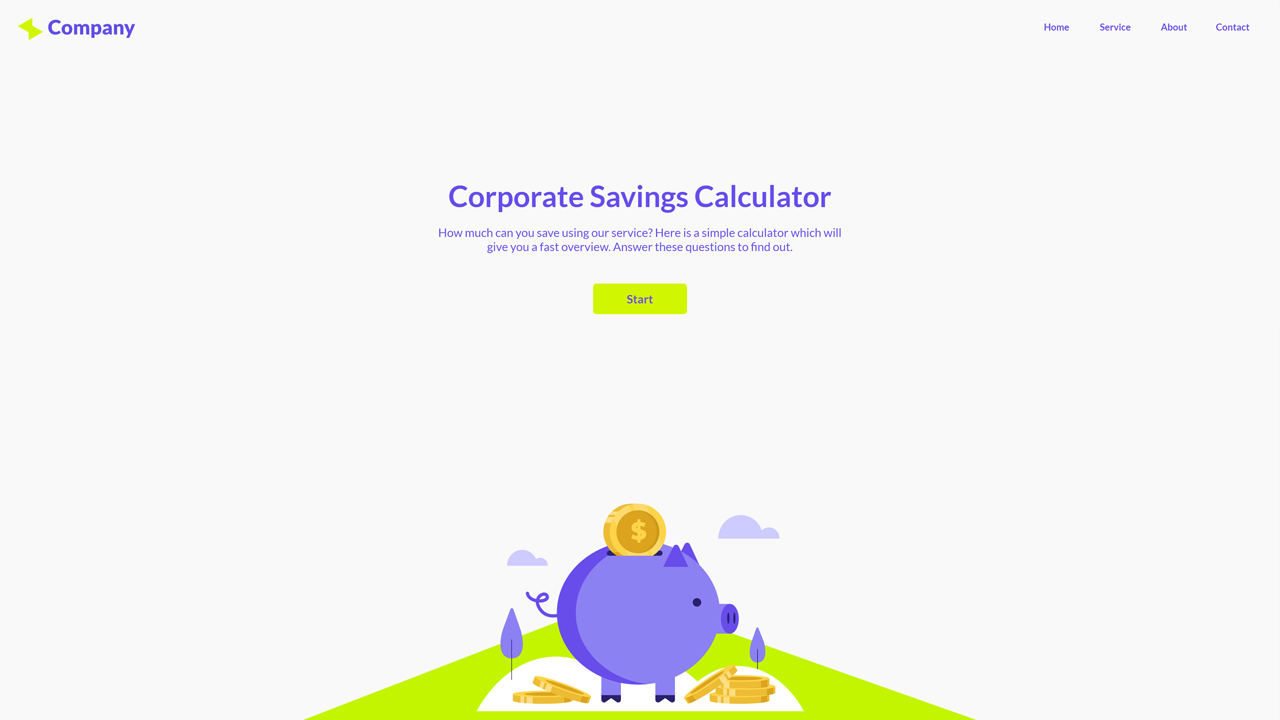
Build Interactive Calculators:
9 Simple Steps to Create an Interactive Calculator
The Qualification Gap
Not every buyer is ready to speak with sales, and not every lead is ready for a sales team.
Buyers may still be exploring options, defining requirements, or figuring out whether a solution is even relevant to them. Meanwhile, sales teams often receive leads with limited context about buyer needs, priorities, timelines, or readiness.
That can lead to awkward conversations.
Buyers may feel contacted too soon, while sales teams lack the context needed to make the conversation useful.
This is the Qualification Gap.
Result: Fewer productive sales conversations.
Qualification works best when buyers can determine whether a solution fits their needs before entering a sales conversation. Interactive Experiences can help buyers assess their needs, explore potential solutions, and identify readiness while also providing richer insight into buyer intent.
Interactive Conversations and Surveys, Polls & Forms create a more informed starting point for both buyers and sales teams, leading to more relevant and productive discussions.
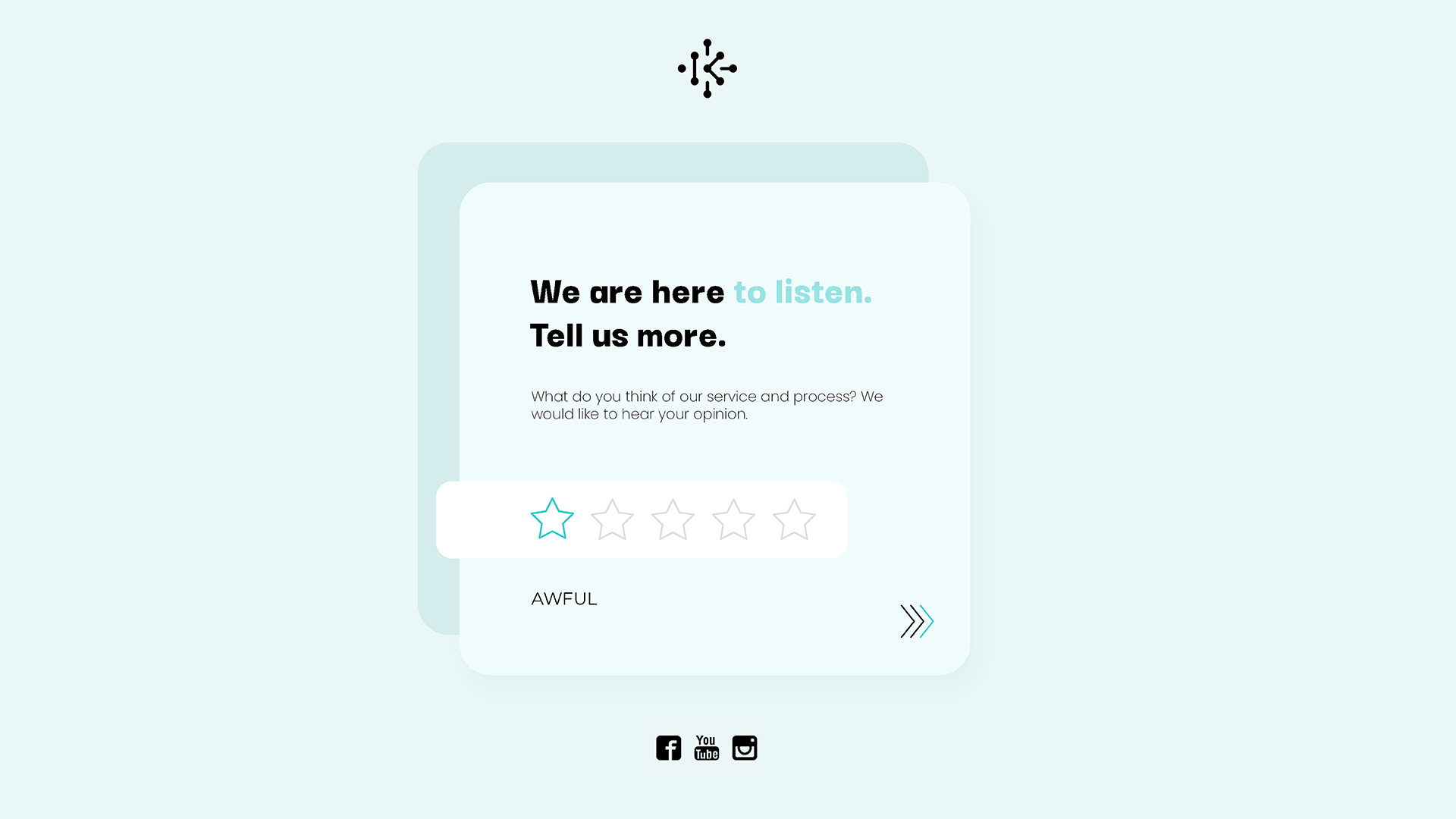
Discover Interactive Conversations:
Interactive Conversations Solution Page
Why Traditional Technology Marketing Experiences Struggle to Close These Gaps
Most marketing for technology companies still rely heavily on static webpages, PDFs, documentation libraries, videos, and traditional lead generation forms.
The issue is that static content usually puts the work on the buyer.
A webpage can explain features, a PDF can provide details, and a form can collect contact information, but none of them automatically guide buyers toward the most relevant next step.
This matters because online content plays a significant role in how buyers make decisions, with nine out of ten B2B buyers saying it has a moderate to major influence on their purchasing process.
So if content is shaping buying decisions, the experience around that content matters too.
Many marketing technology solutions are great at distributing content, automating communication, and capturing leads. Those are useful functions. But if buyers are still left to navigate complexity on their own, the Experience Gap remains.
For technology marketers, the real opportunity is not just creating more content, but creating experiences that help buyers make progress.
Closing the Experience Gap Starts Here
Explore how marketing teams in the technology industry are helping buyers understand, evaluate, and move forward with greater confidence.
Closing the Experience Gap in Technology Marketing
Technology buyers are not struggling to find information.
They are struggling to make sense of it.
The Clarity Gap, Decision Gap, Value Gap, and Qualification Gap help explain why buyers often disengage before sales conversations ever happen. They also give technology marketers a useful way to look at the buying journey and identify where friction is building.
For teams working in technology marketing, SaaS marketing, or IT marketing, the opportunity is to create experiences that do more than inform. Buyers need guidance, context, and a clearer path to the next step.
Dot.vu includes 20+ Interactive Experience solutions and 300+ templates to support buyer understanding, engagement, and qualification.
Start a 14-day free trial to see how Interactive Experiences can guide buyers from “I’m interested” to “I know what to do next.”