
TL;DR
Marketing Technology refers to the tools and platforms brands use to plan, manage, automate, personalise, and measure their marketing efforts. From CRM systems and marketing automation platforms to analytics tools and interactive marketing tools, MarTech helps businesses create more relevant customer experiences across different industries.
This blog explores what Marketing Technology is, why it matters, and how industries like retail, healthcare, finance, technology, and travel can use it to boost engagement, improve conversion rates, and build smarter customer journeys.
Why Marketing Technology Matters More Than Ever?
Marketing teams have tools for almost everything now: emails, landing pages, CRM, analytics, automation, personalisation, reporting, and more.
But more tools do not always mean better marketing.
Many brands still struggle with disconnected campaigns, generic messages, and static customer journeys that fail to hold attention. That is where Marketing Technology becomes valuable.
At its best, Marketing Technology helps brands understand their audience, automate repetitive tasks, personalise experiences, and measure what is working. When paired with interactive marketing tools, it can also turn passive campaigns into experiences people can actually take part in, from quizzes and calculators to product recommenders, assessments, games, and surveys.
In this blog, we will explore how different industries are using marketing technology to meet today’s audience. Moreover, we will look into how platforms like Dot.vu make it easier than ever to bring these strategies to life.
- TL;DR
- Why Marketing Technology Matters More Than Ever?
- What is Marketing Technology?
- Why is Traditional Marketing a Problem?
- How Are Different Industries Using Marketing Technology With Dot.vu?
- Building a Customer-First Marketing Technology Strategy
- Why Dot.vu is Built For Industry-Specific Experiences?
- How AI Fits into a Modern Marketing Technology Stack?
- See What Marketing Technology Looks Like For Your Industry
What is Marketing Technology?
Marketing Technology, also known as MarTech, refers to tools, platforms, and software that use technology to help marketers plan, execute, and measure the performance of their campaigns.
Think of it as your marketing toolbox that is smarter and faster. It helps you connect with your audience, understand them better, and eventually understand what kind of experience relates more to them. According to recent research, at least 96% of marketing professionals consider that their marketing technology meets or exceeds its strategic goals.
Let’s take a look at today’s marketing technology stack:
- Content Management Systems (CMS): A place where you can create and manage your website or your blog.
- Marketing Automation Tools: This handles repetitive tasks like following up with leads, sending emails, and scheduling social posts.
- Analytics Tools: Want to know what’s working and what’s not? These tools show you the performance of your campaigns or websites and give you better insights.
- Customer Relationship Management (CRM): This is a super helpful tool, especially for sales and support teams. This allows you to keep track of every interaction with your customer.
- Interactive Content Platforms: Want to boost engagement and get leads to convert? You can create different types of experiences, like games or quizzes, that relate to your audience.
Why is Traditional Marketing a Problem?
Let’s face it, generic emails and static landing pages are easy to forget and ignore. It does not leave a memorable impression on your audience.
According to research, the audience’s attention span in 2025 is only 8 seconds. That’s 1 second less than a goldfish!
The audience of this era doesn’t want to be talked at; they want to be a part of the conversation. One-way communication in traditional marketing focuses on sending the content out, but it does not invite users in. Most of your audience’s email inboxes are bombarded with irrelevant and impersonal messages.
Even the most beautifully designed static content often falls flat because they don’t invite engagement. This results in lower engagement and a growing disconnect between brands and their audience.
Related: Why Static Content Isn’t Enough Anymore (and What to Do Instead)
How Are Different Industries Using Marketing Technology With Dot.vu?
MarTech tools are used in various business sizes, whether you are a small business or a tech giant. With the right tools, any industry can create personalized and Interactive Content that engages with its audience.
Here at Dot.vu, plenty of different industries have collaborated with us to ensure their campaign goals are met. Here’s how it looks in action:
1. Retail
Before collaborating with Dot.vu, The Perfume Shop hosts its signature Perfume Awards yearly, in the traditional way, by hosting it in-store. However, as the retail landscape evolved with digital innovation, they decided to move forward and embrace the digital era.
By doing so, they collaborated with Dot.vu to create a digital space for their consumers to vote for their favorite perfumes. The result? A growth of more than 400% in the number of entrants, from 11,000 to 60000!
This proves that consumers expect fast, fun, and tailored experiences. With the right marketing technology, retailers can create a personalized shopping journey that feels more like a story than a showcase. Dot.vu provides a similar template that allows your brand to set up a voting system for your audience’s favorite products.

2. Healthcare & Pharmaceuticals
The World Health Organization, also known as WHO, had an exhibit at the 71st World Health Assembly to spread awareness and educate participants about the Guinea worm disease. Therefore, WHO collaborated with Dot.vu to create an interactive educational quiz with two versions, easy and difficult, to challenge visitors on the knowledge of the subject.
Even global leaders like WHO are opting into marketing technology with interactive educational tools, proving that engagement matters, even in healthcare.
By integrating marketing technology, the healthcare and pharmaceutical industry can also offer personalized care-finder quizzes to help patients discover the proper care.

3. Finance
Finance does not have to be stressful or tedious. While the audience usually zones out and gets distracted fast when speaking about this topic, MNP found an innovative way to capture their audience’s attention.
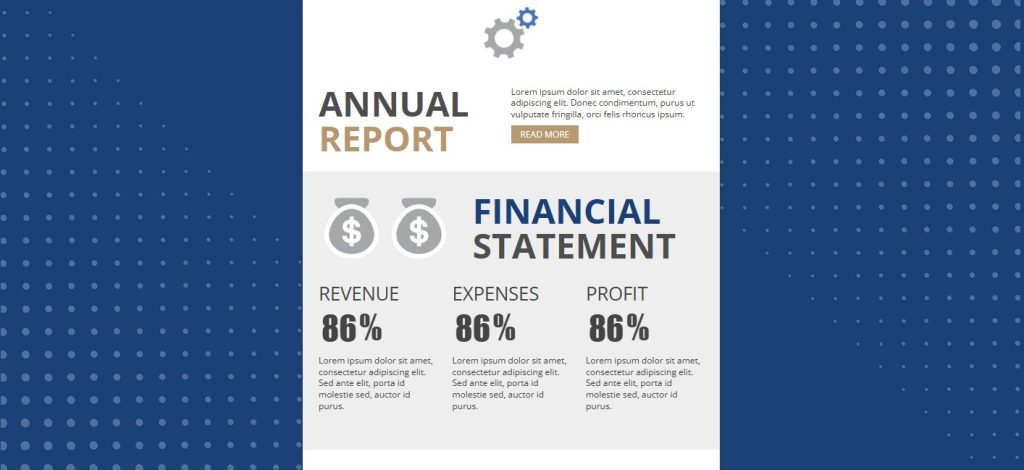
With Dot.vu’s help, MNP created a Consumer Debt Infographic that provided insights and communicated more effectively about the rising Consumer Debt in Canada. The Interactive Infographic also included the option for a free consultation at the end.
This shows that even finance can engage when powered by interactive marketing technology.
4. Technology
It goes without saying that if you’re in the Tech Industry, adopting marketing technology into your strategies is crucial. Audiences usually have different preferences when it comes to choosing software or products like phones, laptops or cameras.
ESET, a global digital security company, knew its consumers might be challenged when choosing the perfect antivirus product. With Dot.vu’s assistance, ESET launched a Product Recommender to guide consumers during the decision-making process.
According to a study, at least 74% conduct independent research online before calling sales to make a purchase, and this can take up to 8 months. By just asking a series of questions, ESET aimed to provide insightful information to its consumers while reducing the research time.

5. Travel
It’s difficult for the travel industry to generate leads, considering most consumers find their destination online through online platforms. According to research, over 65% of travel agencies face this challenge.
Magnetic North Travel, a travel agency/tour operator that specializes in creating tailor-made journeys to the Nordic countries, knew it had to adapt to the latest marketing technology to generate leads. To achieve that, they collaborated with Dot.vu to create a fun and exciting personality test.
This Personality Test allows users to win a trip to Yukon, Canada. Before seeing the test result and entering the competition, the visitors were asked to sign up for their newsletter, thus achieving their goal of generating new leads within their target audience.

Building a Customer-First Marketing Technology Strategy
Adopting marketing technology alone is not enough. A well-thought-out strategy needs to be put in place for it to achieve the goals you set. Here is a flow of how you can create your strategy:
- Step 1: Understanding your target audience is crucial to the strategy. Who they are and what they want.
- Step 2: Choose marketing technology tools that help you engage with your audience, not just broadcast.
- Step 3: Change your static content into Interactive Content to invite users to engage.
- Step 4: Lastly, keep an eye on the performance by measuring the analytics and optimizing as needed.
Why Dot.vu is Built For Industry-Specific Experiences?
There is no easier way to start building your first Interactive Experience than using Dot.vu’s platform. With over 300+ ready-to-use templates that are tailored to different customer journeys, you can launch your next strategy faster and smarter.
Moreover, instead of using multiple marketing technologies, Dot.Vu’s no-code editor, built-in analytics, and CRM integrations mean you can engage, track, and optimize all in one place! Looking at some of the success stories across various industries, it is proven that Dot.vu’s platform helps brands move one step closer to their goals.
How AI Fits into a Modern Marketing Technology Stack?
A strong marketing technology stack should help marketers create, personalise, automate, and optimise the customer journey, not just manage campaigns.
That is where AI is becoming more useful.
Instead of only using AI to write copy or generate ideas, marketers can use it to build Interactive Experiences that support engagement, lead generation, product discovery, and conversion.
Dot.vu’s AI Interactive Builder fits into this part of the MarTech stack. It helps marketers create AI-powered interactive components from text prompts, with no code required.
Teams can describe the experience they want to build, generate a first version, then refine the flow, copy, logic, and design around the campaign goal.
For example, a retail brand could create a product recommendation quiz. A healthcare brand could build an educational assessment. A finance brand could create a calculator. A travel brand could launch a destination quiz.
The value is not just speed.
It is the ability to create Interactive Experiences that encourage users to participate, share preferences, and move toward a clearer next step.
Try Dot.vu’s AI Interactive Builder and start turning your campaign ideas into Interactive Experiences faster.
See What Marketing Technology Looks Like For Your Industry
Marketing technology is evolving, and so should your strategy. Join Dot.vu to see which Interactive Experience best suits your goals and industry. With more than 300+ templates, you can pick which best suits your campaigns. Our templates are categorized into different Interactive Experience and Seasonal templates.
Moreover, you never have to worry about creating content that innovatively and engagingly interacts with your audience. This is one way to avoid having your audience skip your next marketing campaign. If you’ve got your hands full, our agency services are here to help create exciting content for your brand.
Sounds too good to be true? Join our 14-Day Free Trial to get started on your next marketing campaign and watch the magic unfold.