TL;DR (Quick Summary)
Digital marketing for tech companies involves guiding customers from initial awareness all the way through product adoption and retention. As technology products become more sophisticated, effective onboarding plays an increasingly important role in helping users reach value quickly. This article explores the impact of onboarding on engagement, activation, and customer success, and how Interactive Experiences can help technology companies improve each stage of the process.
Why Digital Marketing for Tech Companies Doesn’t End at Conversion
Technology companies invest heavily in attracting and converting users. From SEO and webinars to product demos and martech tools, there is no shortage of tactics designed to drive sign-ups and purchases.
But conversion is only part of the journey.
Once people gain access to a product, they are often expected to navigate dashboards, integrations, workflows, and documentation on their own. The assumption is often that if someone signed up, they’ll figure it out.
The reality is that today’s technology products are more powerful and feature-rich than ever. Whether it’s a SaaS platform, AI tool, or cybersecurity solution, there is often a lot to learn before someone can see meaningful results.
At the same time, expectations have changed. People want clear guidance, quick wins, and confidence that they’re moving in the right direction.
For technology companies, this means thinking beyond acquisition. The customer journey doesn’t end at sign-up. It continues through onboarding, activation, and adoption.
At this stage, people need answers to questions like:
- How do I get started?
- Which features are most relevant to me?
- What should I do first?
- How can I start seeing value quickly?
For software and technology companies, customers are not simply buying a product. They are adopting a new tool, process, or way of working.
That makes activation just as important as acquisition. A successful sign-up only creates value when people actively engage with the product and begin seeing results.
- TL;DR (Quick Summary)
- Why Digital Marketing for Tech Companies Doesn’t End at Conversion
- The Hidden Cost of Onboarding Drop-Off
- The “They’ll Figure It Out” Approach to Digital Marketing for Tech Companies
- How Interactive Experiences Strengthen Digital Marketing for Tech Companies
- Interactive Onboarding Experiences for Technology Companies
- Why Onboarding Matters in Digital Marketing for Tech Companies
- How Digital Marketing for Tech Companies Turns Onboarding Into Growth
The Hidden Cost of Onboarding Drop-Off
Not everyone who signs up becomes an active user.
Some log in once, click around for a few minutes, and never return. Others make it halfway through setup before a meeting starts, a Slack notification appears, or another priority takes over the day.
The result is onboarding drop-off, an often overlooked experience gap that can lead to lower activation rates, reduced feature adoption, lower engagement, and higher churn.
The problem is that people rarely explain why they leave. More often, they quietly disengage before reaching the point where the product becomes genuinely useful.
One metric that matters here is time-to-value.
Time-to-Value
Time-to-value refers to how quickly users experience a meaningful benefit from a product, whether that’s completing a task, solving a problem, or achieving an initial goal.
The faster someone exploring the product reaches that “Now I see why this is useful” moment, the more likely they are to stay engaged.
For tech companies, improving onboarding is not just about helping people get started. It’s about helping them reach value before they lose interest.
The “They’ll Figure It Out” Approach to Digital Marketing for Tech Companies
Many traditional onboarding experiences still rely on welcome emails, help articles, documentation centers, and tutorial videos.
While these resources can be useful, they often leave users to connect the dots themselves.
New customers and trial users must decide where to start, what applies to them, and what they should do next. That’s a lot of decision-making for someone who has only just logged in.
Not every user arrives with the same goals. An administrator, developer, marketer, or IT manager may all need different guidance, yet many onboarding experiences treat them exactly the same.
As products become more sophisticated, this one-size-fits-all approach becomes less effective. Instead of creating clarity, it can contribute to information overload and slow down product adoption.
That’s why many technology companies are looking beyond traditional onboarding methods.
Rather than simply providing information, they are focusing on experiences that actively guide people toward the actions, features, and resources most relevant to them.
How Interactive Experiences Strengthen Digital Marketing for Tech Companies
Effective onboarding is not just about giving customers information. It’s about helping them make progress.
Interactive Experiences transform onboarding from a passive process into an active one.
Instead of reading through documentation or watching tutorials, people getting started with the platform can answer questions, explore personalized paths, receive recommendations, and engage with content based on their specific needs.
This makes onboarding more relevant and easier to navigate. Rather than overwhelming someone evaluating the platform with every feature at once, Interactive Experiences can guide them toward the actions most likely to help them succeed.
Personalization also plays an important role. McKinsey found that 71% of consumers expect personalized interactions, while 76% become frustrated when they do not receive them.
By helping users find the right information, features, and next steps faster, Interactive Experiences can improve activation, accelerate time-to-value, and support stronger product adoption.
At its core, good onboarding helps someone logging in for the first time move from asking, “Where do I start?” to saying, “I know exactly what to do next.”
Interactive Onboarding Experiences for Technology Companies
Assessments for More Personalized Onboarding
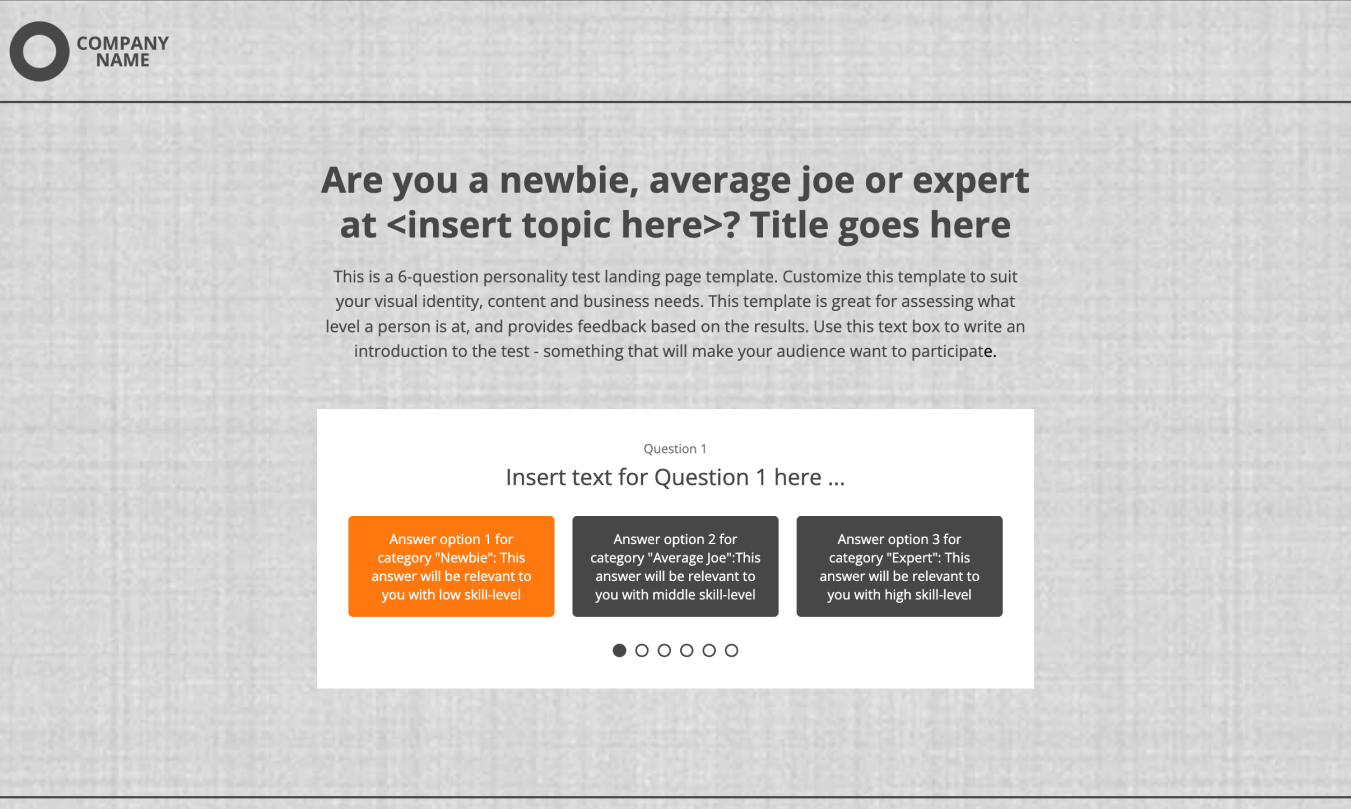
Not every user arrives with the same goals, experience level, or expectations. Someone exploring a platform for the first time will need very different guidance from someone who has implemented similar tools before.
An administrator, developer, marketer, or end user may all need different information, features, and support to get started successfully.
Assessments help companies understand what people actually need from the product. Instead of putting everyone through the same onboarding flow, teams can tailor guidance based on goals, roles, or experience levels. The result is a journey that feels more relevant from the start.
Examples:
- Assessments
- Personality Tests
- Quizzes
Not Everyone Starts in the Same Place
See how Interactive Experiences can help create customer education experiences tailored to different roles, goals, and levels of expertise.
Solution Finders That Guide Users to the Right Features

Many technology products pride themselves on flexibility. The downside is that new users are often presented with dozens of features, integrations, settings, and workflows before they know which ones matter most.
In some cases, it can feel like being handed the controls to a cockpit before you’ve learned where the ignition switch is.
Solution Finders help narrow the focus. Rather than expecting people to explore every feature on their own, they point first-time users toward the capabilities most likely to help them achieve their goals.
Examples:
- Solution Finders
- Guided Selling
Too Many Features, Not Enough Direction
Discover how Interactive Experiences can create personalized product discovery experiences that guide users toward the solutions most relevant to their needs.
Interactive Product Education Experiences
Helping users understand a product is just as important as getting them access to it.
The challenge is that traditional onboarding materials are often passive and easy to ignore. Most of us have opened a tutorial video with good intentions, only to save it for “later” and never quite return to it.
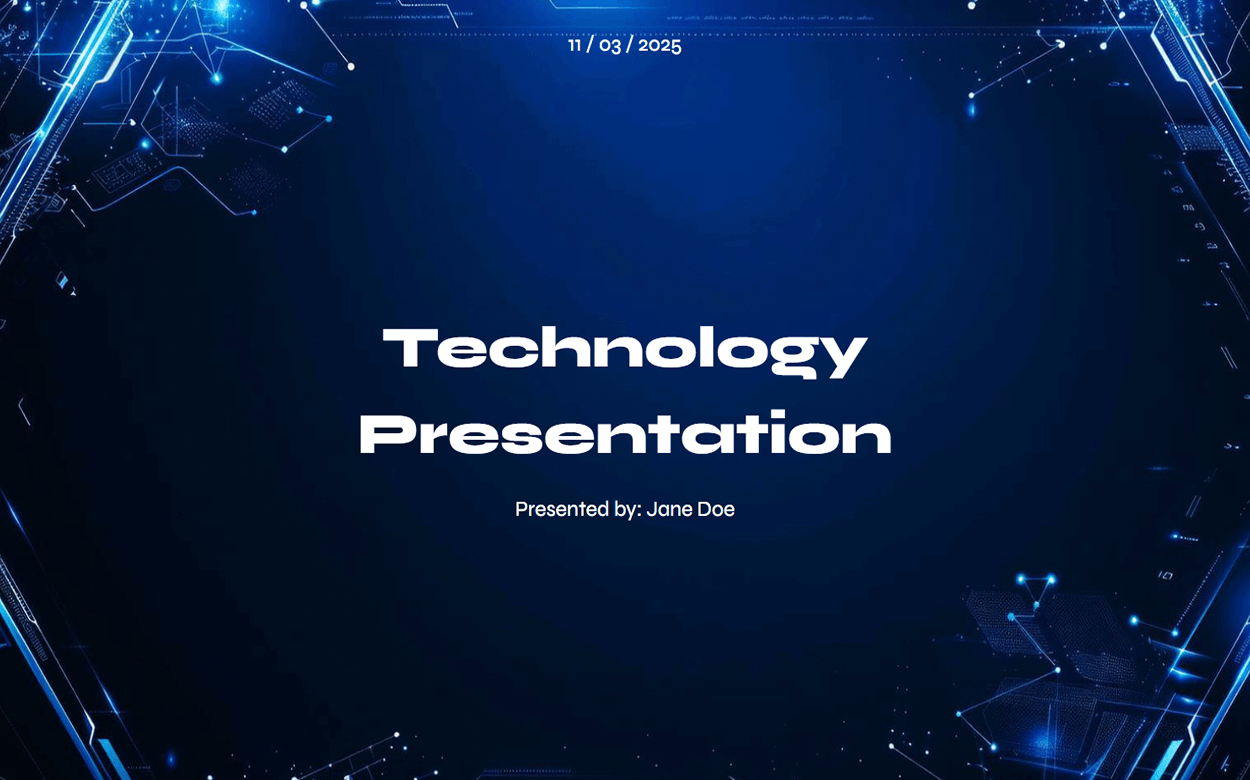
Interactive Product Education Experiences encourage exploration. Instead of sitting through a one-way tutorial, new customers or trial users can learn by interacting, making choices, and focusing on the topics most relevant to them.
Examples:
- Interactive Presentations
- Interactive Videos
Better Buying Starts With Better Understanding
Discover how Interactive Experiences can create product education experiences that support more confident guided buying experiences.
Interactive Resource Centers and Product Guides

Onboarding rarely ends after the first session. New questions tend to appear as users explore more features and tackle more advanced tasks.
Interactive Resource Centers make onboarding resources more accessible and engaging by organizing information into structured, easy-to-navigate experiences. This helps new customers find answers faster while reducing reliance on support teams.
Examples:
- Interactive Flipbooks
- Interactive Infographics
The Right Information at the Right Time
Discover how Interactive Experiences can create content marketing experiences that help users explore information, learn independently, and stay engaged.
Polls and Surveys for Continuous Onboarding Optimization
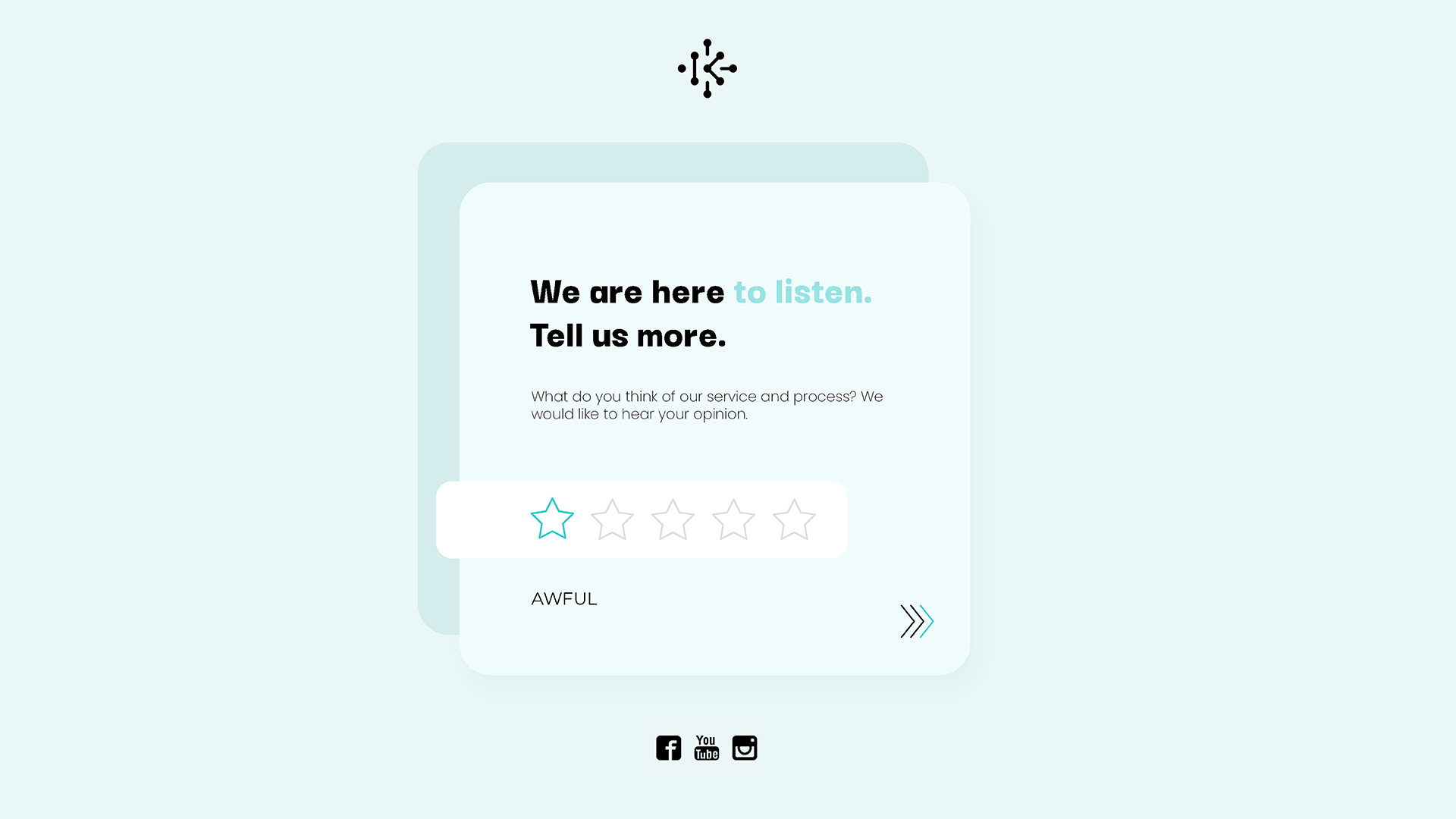
Effective onboarding is not something companies build once and leave untouched. As products evolve, onboarding experiences need to evolve alongside them.
Polls and Surveys help technology companies gather feedback throughout the onboarding process, identify friction points, and uncover opportunities for improvement. These insights can help teams refine onboarding experiences and better support future users.
Examples:
- Online Surveys
- Online Polls
- Forms
Turning User Feedback Into Better Insights
Discover how Interactive Experiences can create lead generation and qualification experiences that help teams better understand their audiences.
Why Onboarding Matters in Digital Marketing for Tech Companies
The goal of onboarding isn’t simply to get users through setup. It’s to help them succeed.
When people understand how a product works, discover relevant features, and achieve early wins, they are more likely to continue using it over time.
In fact, 86% of people say they are more likely to stay loyal to a business that invests in onboarding content that welcomes and educates them after purchase.
For software and subscription-based businesses, this matters because long-term success depends on continued usage rather than a one-time purchase. By the time retention becomes a concern, the foundations have often already been set during onboarding.
This is one reason onboarding is becoming a bigger part of digital marketing for tech companies.
As customer experience becomes a bigger competitive differentiator, marketing teams are playing a larger role in helping customers learn, engage, and succeed after conversion.
Turn Onboarding Into a Growth Opportunity
Explore how companies in the Technology Industry are using Interactive Experiences to improve onboarding, product adoption, and customer success.
How Digital Marketing for Tech Companies Turns Onboarding Into Growth
Winning the sign-up feels good. Watching customers successfully adopt your product is even better.
Interactive Experiences can help users navigate complexity, build confidence, and make meaningful progress early in the journey.
For technology companies, onboarding is becoming a key growth lever. The companies that invest in helping new users succeed from day one will be better positioned to improve product adoption, customer satisfaction, and long-term growth.
Dot.vu offers 20+ Interactive Experience solutions and 300+ templates that help turn onboarding into an opportunity for engagement, adoption, and growth.
Start a 14-day free trial to help users reach their first success sooner.