
TL;DR (Quick Summary)
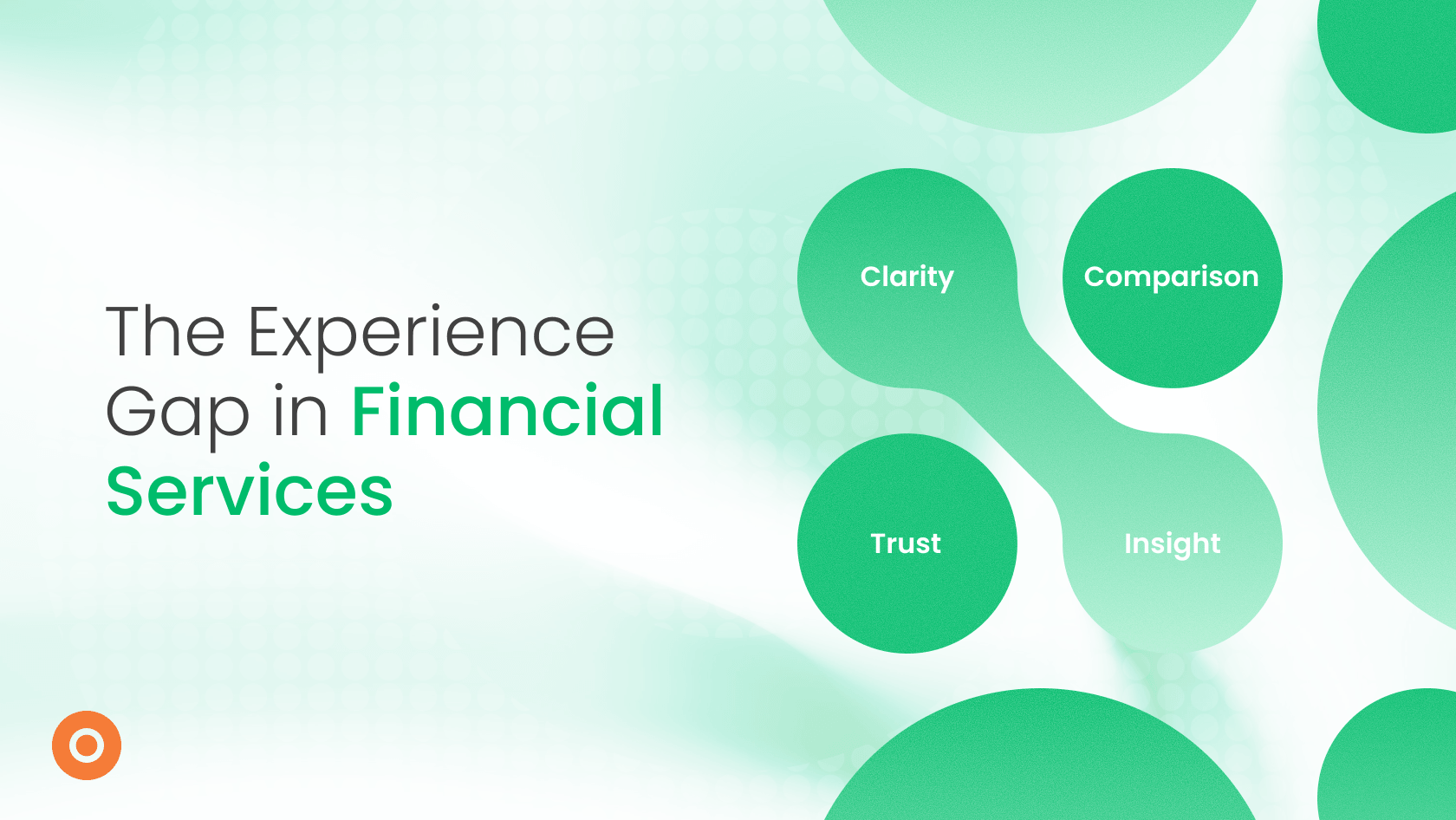
Financial services marketing gives customers more ways to research and compare financial products, but more information does not always make decisions easier. The Financial Services Experience Gap occurs when customers have information and options but lack the confidence to act. Closing the Clarity, Comparison, Trust, and Insight Gaps can help create clearer, more useful digital customer journeys.
Financial Research Has Changed – but the Decisions Haven’t Gotten Simpler
Researching a financial product looks very different today.
Customers can compare mortgage rates and repayments, weigh up savings accounts, or explore investment options before ever speaking to a financial professional.
They’re looking beyond their existing financial relationships too. 73% of banking customers engage with banks beyond their primary provider, reflecting how widely people now explore their options.
For financial services marketing, that creates both an opportunity and a challenge.
What looks like a good financial product on paper may not be the right choice for every customer. Suitability can depend on their goals, income, available funds, desired flexibility, appetite for risk, or financial commitments.
Take savings accounts. A higher interest rate might initially look like the obvious choice. But what if it comes with withdrawal restrictions that do not suit the customer’s plans? Suddenly, comparing two percentages becomes a much more personal decision.
This is where digital marketing for financial services needs to go beyond making product information easy to find. Customers also need help making sense of it.
A customer can compare every rate on the page and still be left with the most important question: “Which one actually makes sense for me?”
- TL;DR (Quick Summary)
- Financial Research Has Changed – but the Decisions Haven’t Gotten Simpler
- Why Digital Journeys Still Create Friction in Financial Services Marketing
- Where Financial Services Marketing Loses Momentum: The Experience Gap
- The Four Experience Gaps in Financial Services Marketing
- Why Static Content Falls Short in Financial Services Marketing
- Closing the Experience Gap Starts With Better Financial Customer Experiences
Why Digital Journeys Still Create Friction in Financial Services Marketing
At first glance, the journey seems simple: research, compare, choose, apply.
In reality, there is a lot happening between those steps.
Financial Information Needs Context
Financial products often come with rates, fees, eligibility criteria, repayment terms, risk levels, and conditions that customers need to consider together.
Take a loan. A lower monthly repayment might look appealing, but it does not necessarily mean a lower overall cost of borrowing. The interest rate, loan term, and fees all affect what the customer ultimately pays.
The challenge is not simply giving customers all the facts. It is helping them understand which details matter and how they affect the decision.
Similar Products Can Be Difficult to Compare
Even once customers understand the information, comparing options brings another challenge.
Two products may look similar at first glance but differ in ways that matter. One might offer a better rate with stricter conditions, while another offers more flexibility at a higher cost.
Comparison tables can show these differences, but customers still need to decide which trade-offs make sense for them.
Sometimes, more choice simply means more homework.
Financial Decisions Come With Higher Stakes
Choosing a financial product is different from choosing what to watch on Friday night. A bad choice can stick around for considerably longer than the end credits.
Borrowing, saving, and investing can affect someone’s finances for years to come. That naturally creates a greater need for clarity and confidence before committing.
Yet fewer than half of financial services consumers are fully satisfied with the experiences delivered by their providers.
For financial marketing teams, this highlights an important challenge: customers may have the information they need, but the experience around it does not always give them the confidence to act.
And that is where a different kind of gap begins to appear.
Where Financial Services Marketing Loses Momentum: The Experience Gap
A customer can spend time exploring a financial product without ever taking the next step.
They might review the rates, check the conditions, compare a few options, and even use the tools available to them. Then, they leave.
From a marketing perspective, you can see what they did. What is harder to understand is why they stopped.
- Was something unclear?
- Were the options too difficult to compare?
- Did the information feel too generic to inspire confidence?
- Or were they simply not ready to move forward?
This is where the Financial Services Experience Gap appears.
What Is the Experience Gap in Financial Services Marketing?
The Financial Services Experience Gap is the disconnect between the information and options customers receive and the confidence they need to make an informed financial decision.
For financial services marketing, providing the right information is only part of the journey. Customers also need digital experiences that help them interpret that information, relate it to their needs, and determine what comes next.
The Four Experience Gaps in Financial Services Marketing
The Experience Gap can appear at different points in the financial customer journey. Here are the four key gaps that can create friction.
The Clarity Gap
When products feel complex, customers miss what matters.
Financial products can involve unfamiliar terminology, conditions, and processes that customers need to understand before making a decision.
Even when everything is explained, it can still be difficult to piece together what matters and why.
Result: Customers struggle to understand the product and its relevance to their needs.
Clarity improves when complex information is easier to explore and digest.
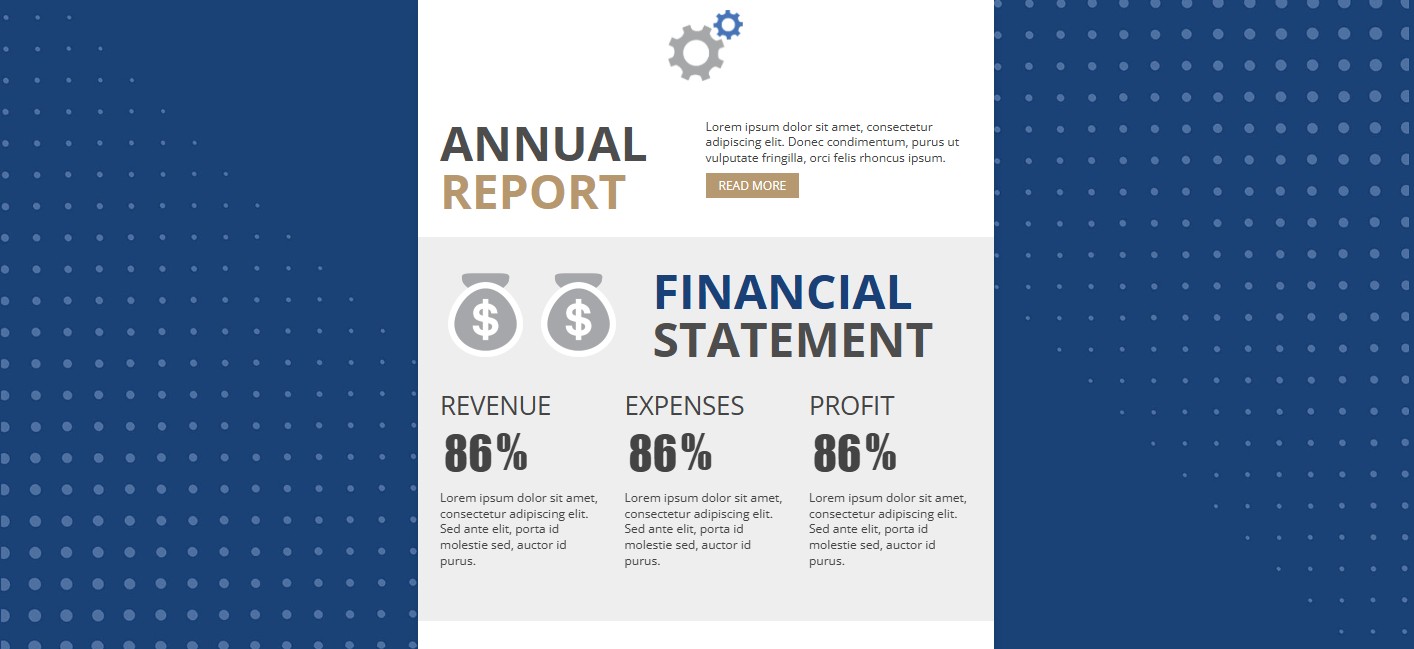
Interactive Presentations and Interactive Infographics can break complex products, financial concepts, and processes into manageable steps, helping customers understand how they work without overwhelming them with everything at once.
Related:
MNP: A Consumer Debt Infographic
The Comparison Gap
When options feel similar, customers find it harder to choose.
Financial products can look remarkably similar at first glance. The differences may come down to rates, fees, terms, flexibility, eligibility, or features – and not every difference matters equally to every customer.
A comparison table can show what is different. Customers still have to work out which differences matter to them.
Result: Customers can see their options but struggle to identify which one best fits their needs.
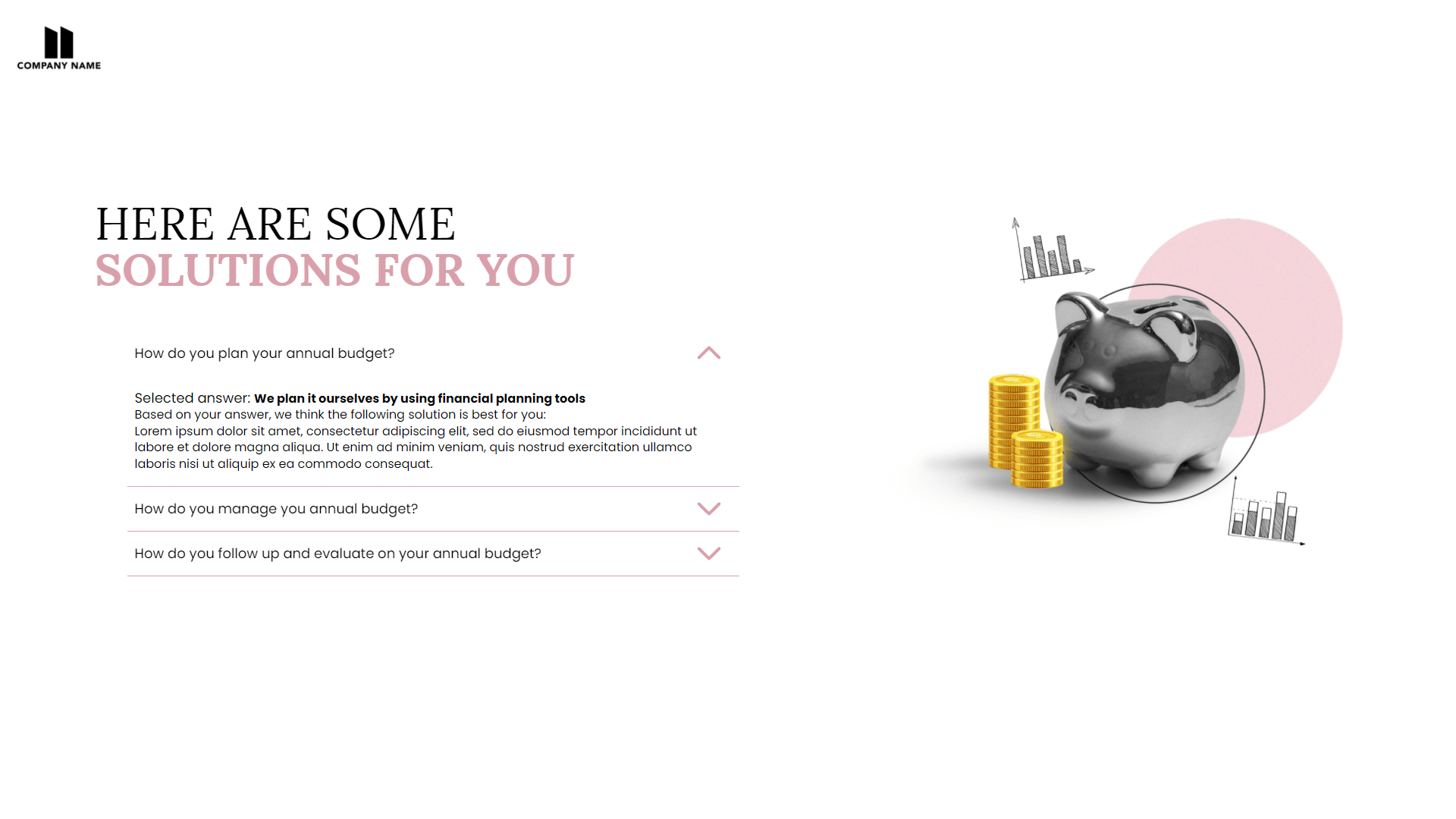
Solution Builders and other Product Discovery Experiences can ask about customer goals, circumstances, and priorities before narrowing the available choices and guiding them toward options that better match their needs.
Instead of asking customers to compare everything, the experience helps them focus on what actually fits.
The Trust Gap
When financial guidance feels too generic, customers can hesitate to act.
Understanding a product does not automatically mean feeling confident enough to choose it.
Financial decisions can have a lasting impact, so customers often want to understand what the information and potential outcomes could mean for their own situation – not just for the example customer in the small print.
Result: Customers understand the product but remain uncertain about taking the next step.
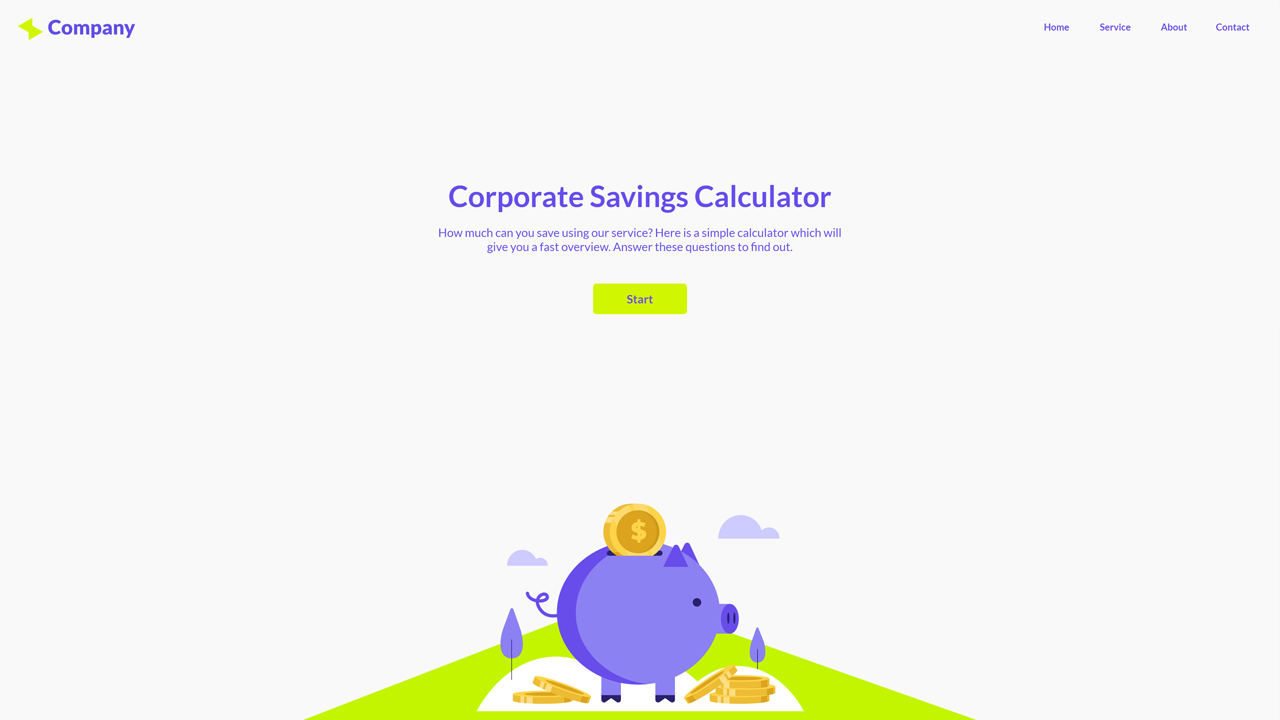
Interactive Calculators and Interactive Conversations can make financial guidance more relevant by responding to customer inputs.
Customers can explore potential scenarios and receive more relevant information based on their responses, helping them approach the next step with greater confidence.
The Insight Gap
When interactions stay shallow, marketers lose sight of intent.
Two customers can spend time on the same mortgage page for completely different reasons. One might be casually researching for the future, while another could be preparing to apply.
A page view tells you they were there. It does not tell you what brought them there.
Result: Marketing and advisory teams lack the context needed for personalization, qualification, and relevant follow-up.
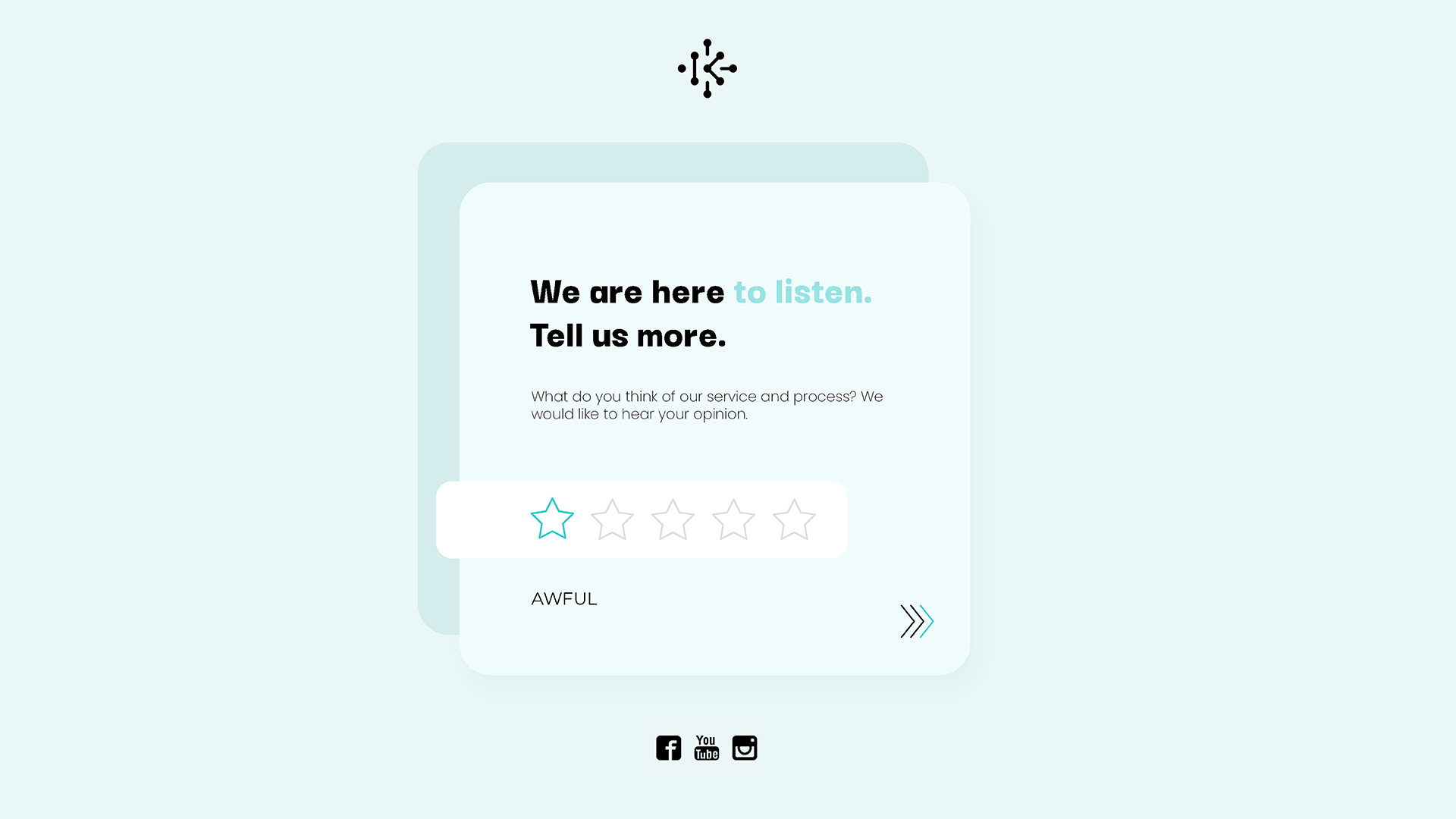
Interactive Quizzes and Surveys, Polls & Forms can encourage customers to share their needs, preferences, knowledge, and interests as part of the experience.
In return, financial marketers gain richer customer data and insights that can help them understand intent and deliver more relevant next steps.
Why Static Content Falls Short in Financial Services Marketing
Static content remains an important part of digital marketing for financial institutions. Product pages explain offerings, articles educate, comparison tables organize options, and forms capture enquiries.
The challenge is that these formats often leave customers to connect the dots themselves.
A product page can explain an account, but it cannot adapt to what a customer is trying to achieve. A comparison table can highlight differences without helping them prioritize what matters. And a traditional form can capture contact details without revealing much about the needs behind the inquiry.
This matters in financial services, where individual circumstances can significantly shape which information or options are relevant.
The answer is not to make every page interactive. Your compliance team can relax.
Instead, content marketing for financial services can focus on moments where customers need to use information rather than simply consume it.
The opportunity is to shift the question from “What else should we tell customers?” to “How can we help them make sense of it?”
That is where Interactive Experiences can turn financial content into something customers can actively explore and use.
Closing the Financial Services Experience Gap Starts Here:
Explore how Interactive Experiences can help financial services industry simplify complex information, guide product discovery, build customer confidence, and better understand customer needs.
Closing the Experience Gap Starts With Better Financial Customer Experiences
Financial customers already have plenty to read, compare, calculate, and consider. Adding another PDF to the pile probably isn’t the answer.
What can make a difference is helping customers turn that information into something useful: a clearer understanding of their options and greater confidence in what comes next.
Closing the Clarity, Comparison, Trust, and Insight Gaps can turn passive financial research into journeys that actively help customers make progress. And the value works both ways: customers receive more relevant experiences, while marketers gain a clearer picture of their needs and intent.
Because good financial services marketing shouldn’t just lead customers to the right page. It should help them know where to go from there.
Dot.vu includes 20+ Interactive Experience solutions and 300+ templates to help financial services marketers turn complex customer journeys into clearer, more engaging experiences.
Start a 14-day free trial and give customers a clearer path from research to decision.