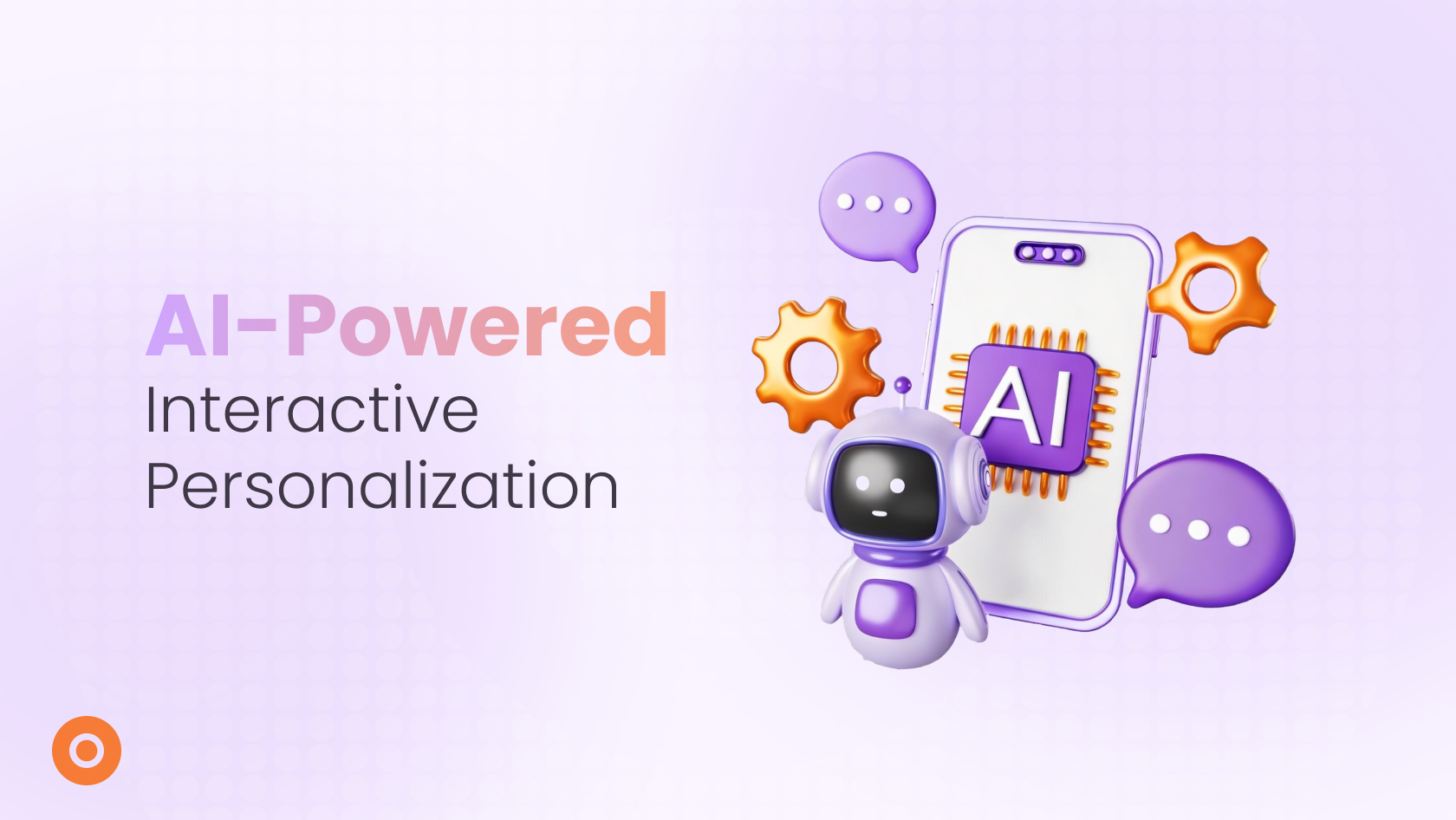
TL;DR (Quick Summary)
AI-powered personalization is transforming static customer journeys into adaptive Interactive Experiences that respond to user behaviour in real time. The result is more relevant engagement, smarter interactions, and stronger conversion potential.
Why Personalization No Longer Feels Personal
Personalization used to feel innovative.
Adding someone’s first name to an email subject line or showing a few product recommendations based on browsing history was enough to make digital experiences feel more relevant.
That’s no longer the case.
Today, people expect digital experiences to adjust to them as they engage. They expect recommendations to feel relevant, journeys to make sense, and interactions to help them move forward faster.
That shift is one reason AI-powered personalization is becoming a bigger priority across marketing and customer experience teams.
71% of consumers expect companies to deliver personalized interactions, while 76% get frustrated when they don’t.
The challenge is that many “personalized” experiences still feel static.
The content changes slightly, but the experience itself usually doesn’t. Users still follow fixed journeys, get generic next steps, and interact with experiences that behave the same way no matter what they’re looking for.
We’ve all had the experience of clicking on something “personalized” only to think:
“Ah yes, another ‘personalized’ experience everyone got.”
That’s where AI-powered personalization starts to matter more.
Instead of only personalizing content, AI can help make experiences feel more fluid, relevant, and interactive as people engage with them.
Table of Content:
- TL;DR (Quick Summary)
- Why Personalization No Longer Feels Personal
- What AI-Powered Personalization Really Means
- The Problem With Static Personalization
- How AI Makes Experiences More Personalized and Interactive
- Real Examples of Interactive Personalization
- Why Experiences with AI-Powered Personalization Perform Better
- The Difference Between Automated and AI-Powered Personalization
- The Future of AI-Powered Personalization
- From Personalized Content to Interactive Experiences
- Frequently Asked Questions
What AI-Powered Personalization Really Means
AI-powered personalization gets talked about a lot, but it can mean very different things depending on the platform or use case.
Traditional personalization usually follows fixed rules and audience segments.
For example:
- users in one segment see one version of an experience
- users in another segment see something slightly different
The experience itself still stays fairly fixed.
AI-powered personalization works differently.
Instead of relying entirely on predefined rules, AI can analyze behavioral signals, interaction patterns, and contextual data to adjust experiences dynamically.
At its core, AI-powered personalization combines:
- behavioral data
- AI-driven analysis
- dynamic content delivery
- adaptive interaction logic
That allows experiences to feel:
- more contextual
- more responsive
- more individualized
The important difference is that AI changes how experiences behave, not just what content appears on the screen.
That’s why AI-powered personalization increasingly feels less like static targeting and more like responsive interaction.
And adoption is growing quickly.
72% of organizations now use AI in at least one business function.
Of course, simply adding AI to a workflow doesn’t automatically create a better experience. A chatbot that ignores half the context and sends users in circles is still… a chatbot that sends users in circles.
The real opportunity isn’t simply using AI. It’s using AI to create experiences that adapt more intelligently to users as they engage.
The Problem With Static Personalization
A lot of personalized experiences still follow the same basic formula:
- static customer journeys
- fixed recommendation paths
- generic nurture flows
- passive content consumption
The result is personalization that often feels surface-level rather than genuinely useful.
People today expect more than relevant messaging. They expect experiences that help them navigate decisions, find relevant information faster, and reduce friction along the way.
That expectation is changing how engagement works.
Users increasingly look for:
- responsiveness
- guidance
- contextual recommendations
- personalized next steps
When experiences fail to adapt, engagement drops quickly.
People leave journeys faster because the experience no longer feels relevant to what they’re trying to do in that moment.
This is one reason static digital experiences are becoming less effective.
The issue isn’t lack of content.
It’s lack of interaction.
And despite growing AI adoption, many brands still struggle to move beyond generic personalization strategies.
84% of marketers admit they’re still running generic campaigns despite using AI.
That number sounds high until you remember how many “personalized” emails still somehow recommend products you already bought three weeks ago.
Personalization by itself is no longer enough.
Experiences increasingly need to feel interactive and useful while people engage with them.
How AI Makes Experiences More Personalized and Interactive
This is where AI-powered personalization becomes much more interesting.
AI helps digital experiences become more dynamic and interactive.
Instead of sending every user through the same journey, AI-powered experiences can:
- adjust flows dynamically
- personalize recommendations continuously
- adapt next steps based on interaction
- refine outcomes as users engage
- surface more relevant information contextually
The experience starts responding to the user instead of simply presenting content.
That creates a more interactive relationship between users and digital experiences.
Instead of passively consuming information, people actively shape the journey through their behavior, responses, and decisions.
This is also changing how Interactive Experiences are created.
Instead of building every interaction manually, AI can now help generate Interactive Experience components based on prompts, goals, and intended outcomes.
For teams exploring how to build more adaptive experiences, AI Interactive Builder helps marketers generate Interactive Experience components using prompts based on specific goals, use cases, or campaign ideas. Teams can then customize the experience further with their own personalization logic, flows, and interactions.
The result is not just faster production, but experiences that can feel far more tailored from the start.
Instead of delivering the same journey to broad audience segments, AI-powered experiences can adjust based on how users interact with them, making the experience feel more relevant and guided in the moment.
Real Examples of Interactive Personalization
AI-powered personalization can support different goals depending on how the experience is designed.
Product Discovery Experiences
Interactive Experiences such as:
- Product Recommenders

- Guided Selling
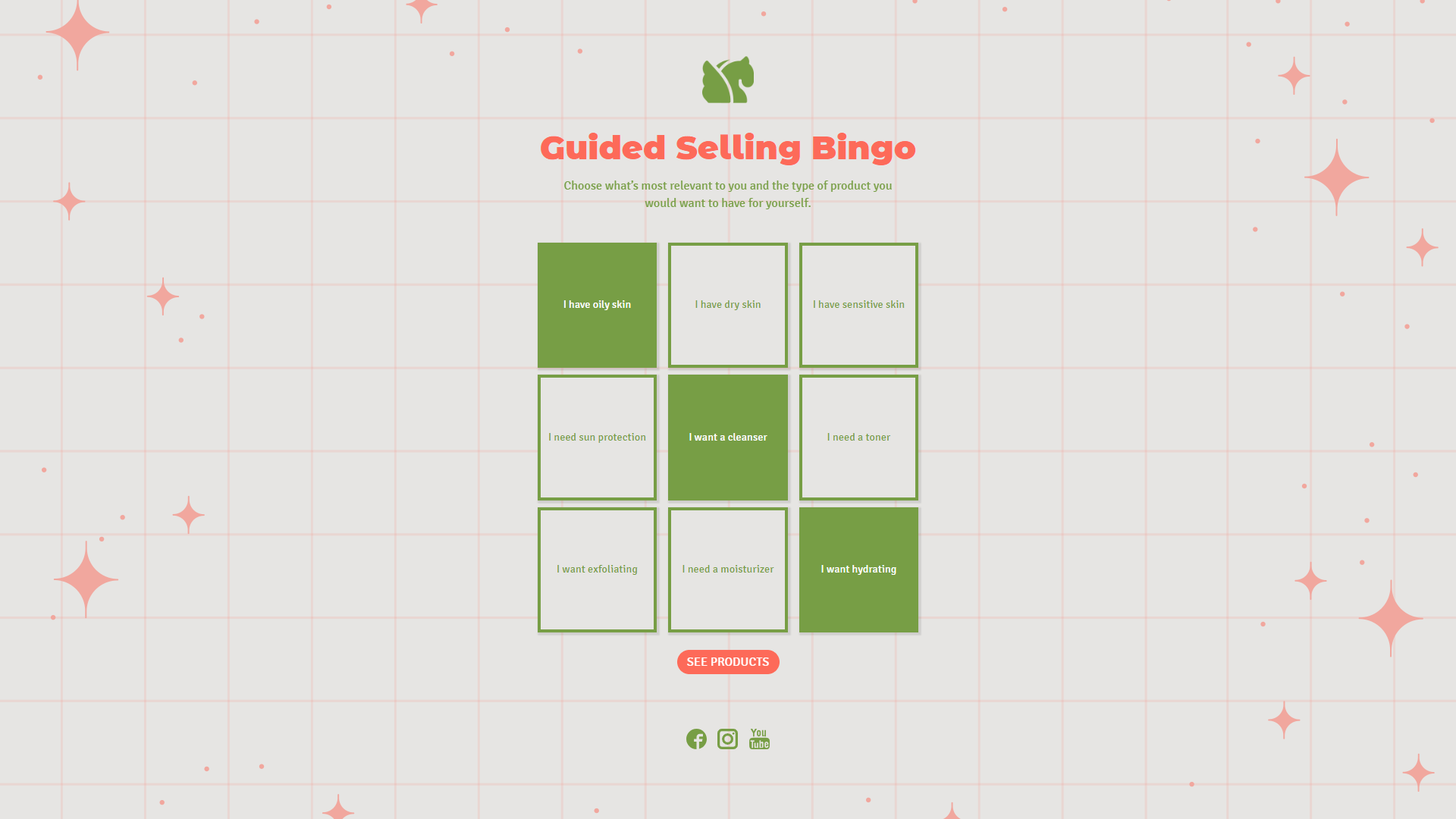
- Solution Builders

These experiences help users navigate choices more efficiently through more personalized recommendations and guided interactions.
Instead of manually comparing products or services across twelve browser tabs and a growing sense of indecision, users receive progressively refined recommendations based on their needs and behavior.
That reduces friction and helps people move toward decisions faster.
Personalized Engagement Experiences
Interactive Experiences such as:
- Interactive Quizzes
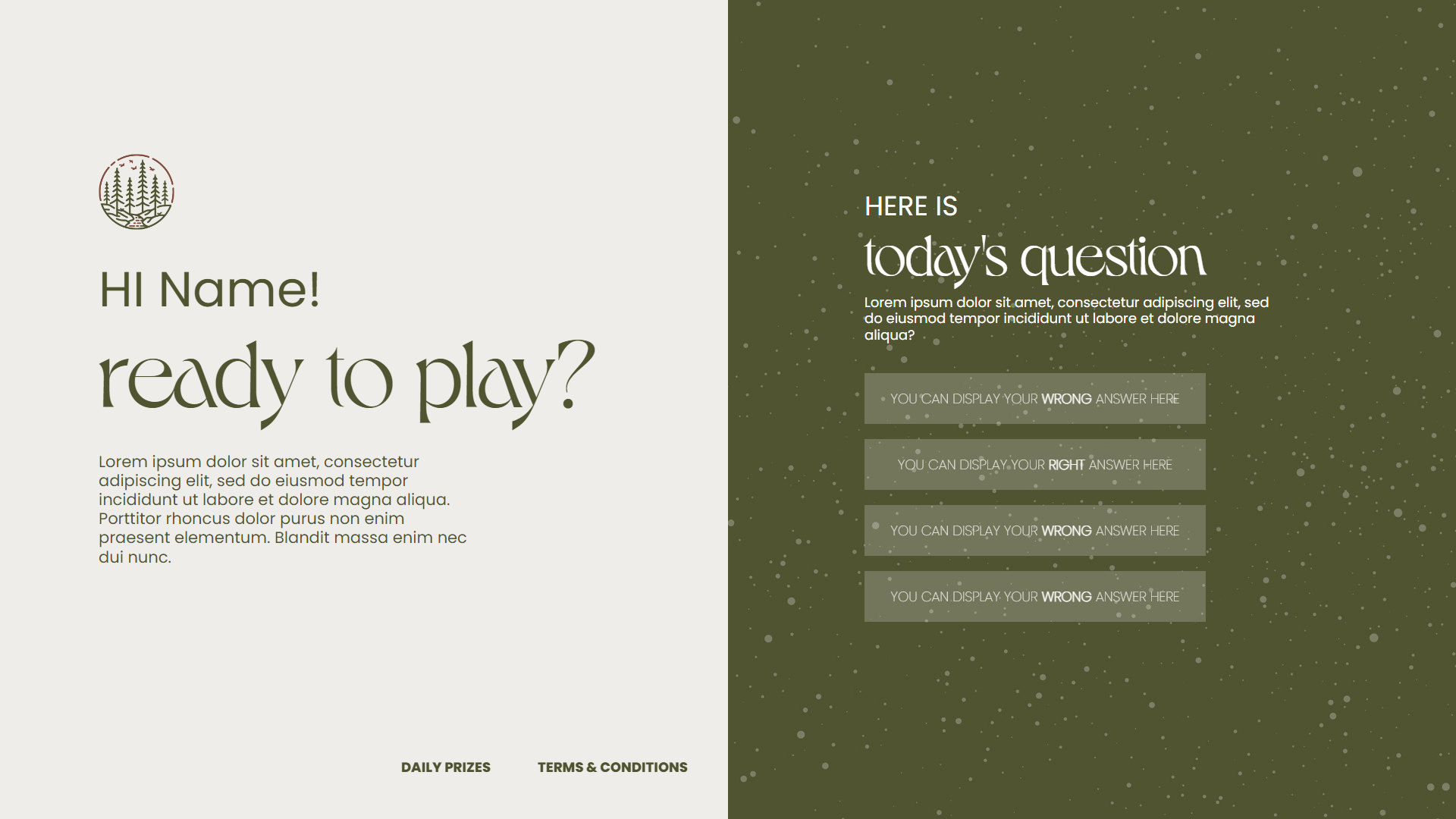
- Personality Tests
- Branching Videos
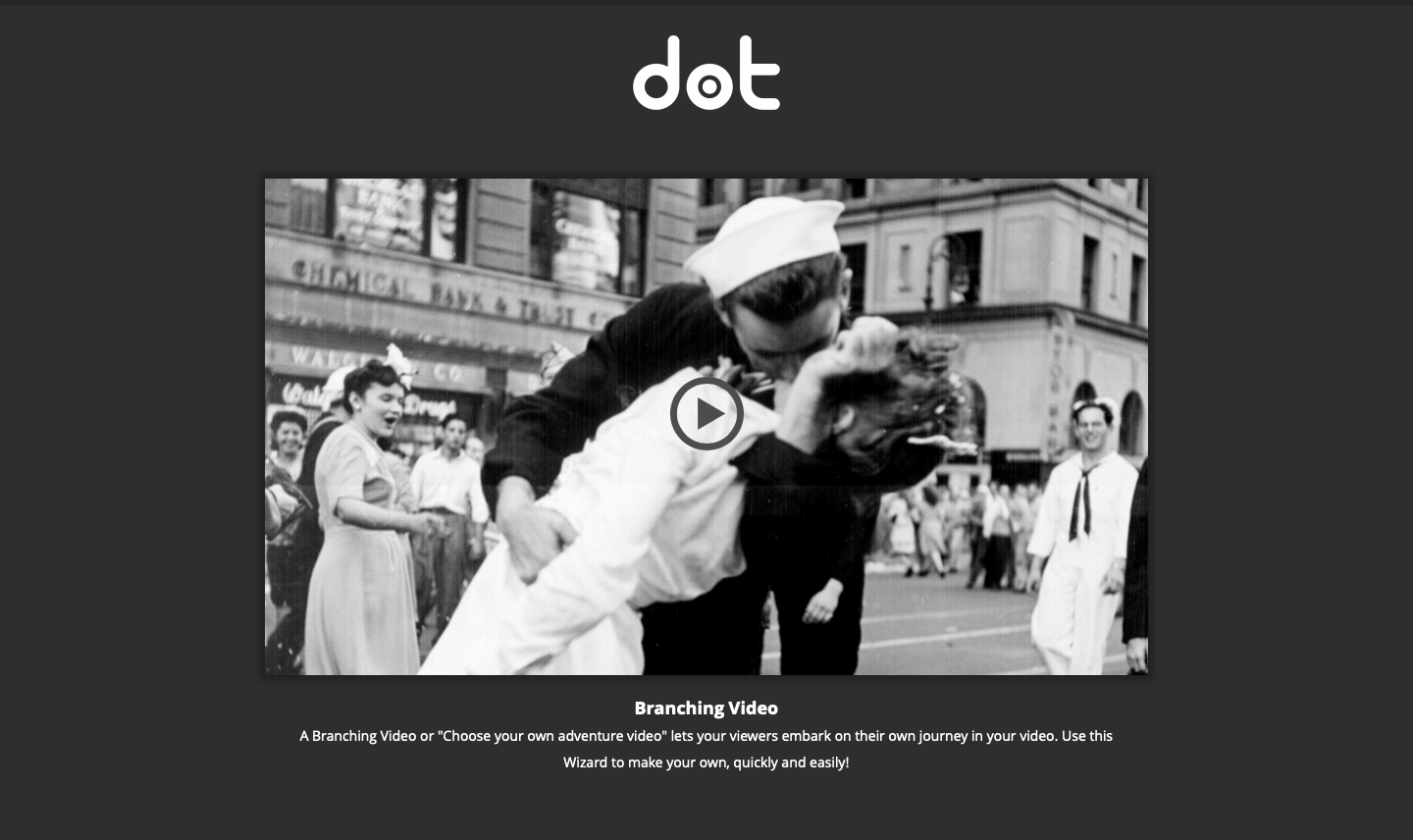
These experiences create more engaging interactions by adapting content and pathways based on user participation and responses.
As users participate, the experience can evolve dynamically, making the interaction feel more relevant and personalized.
This keeps users actively involved rather than passively consuming content.
Decision Support Experiences
Interactive Experiences such as:
- Interactive Calculators
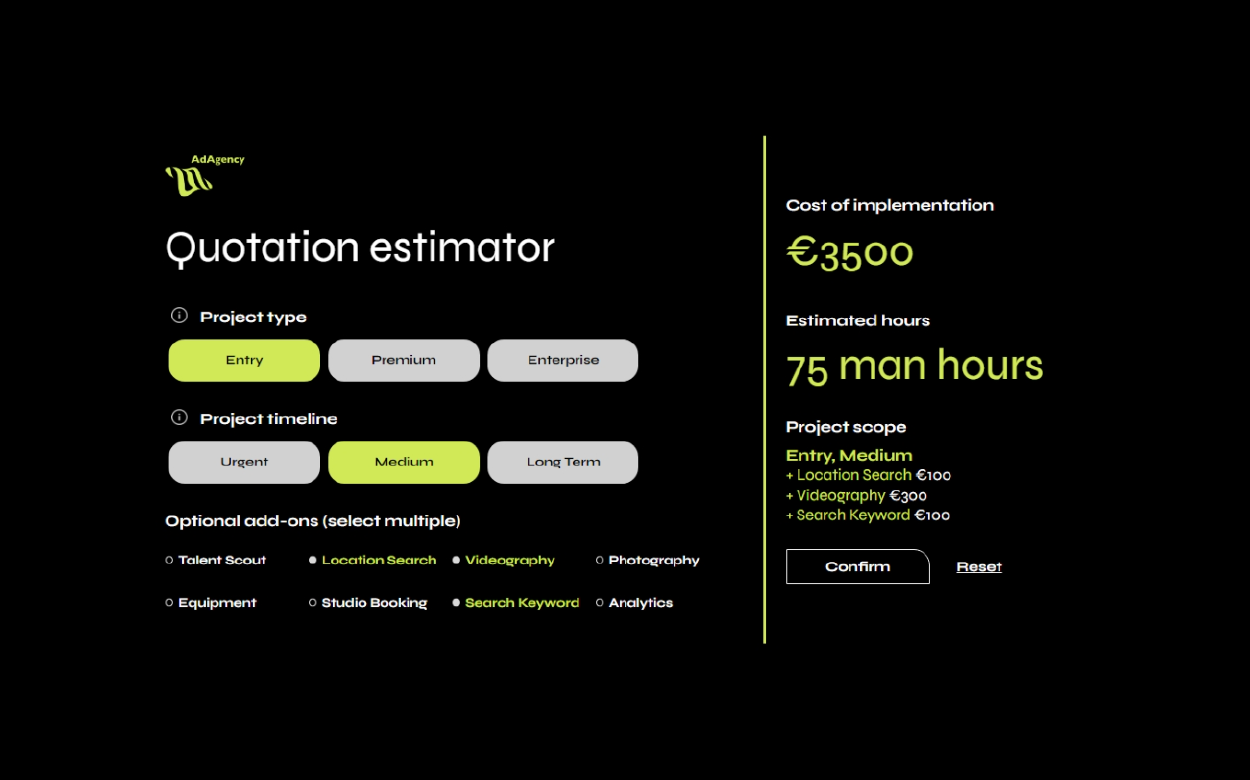
- Assessments
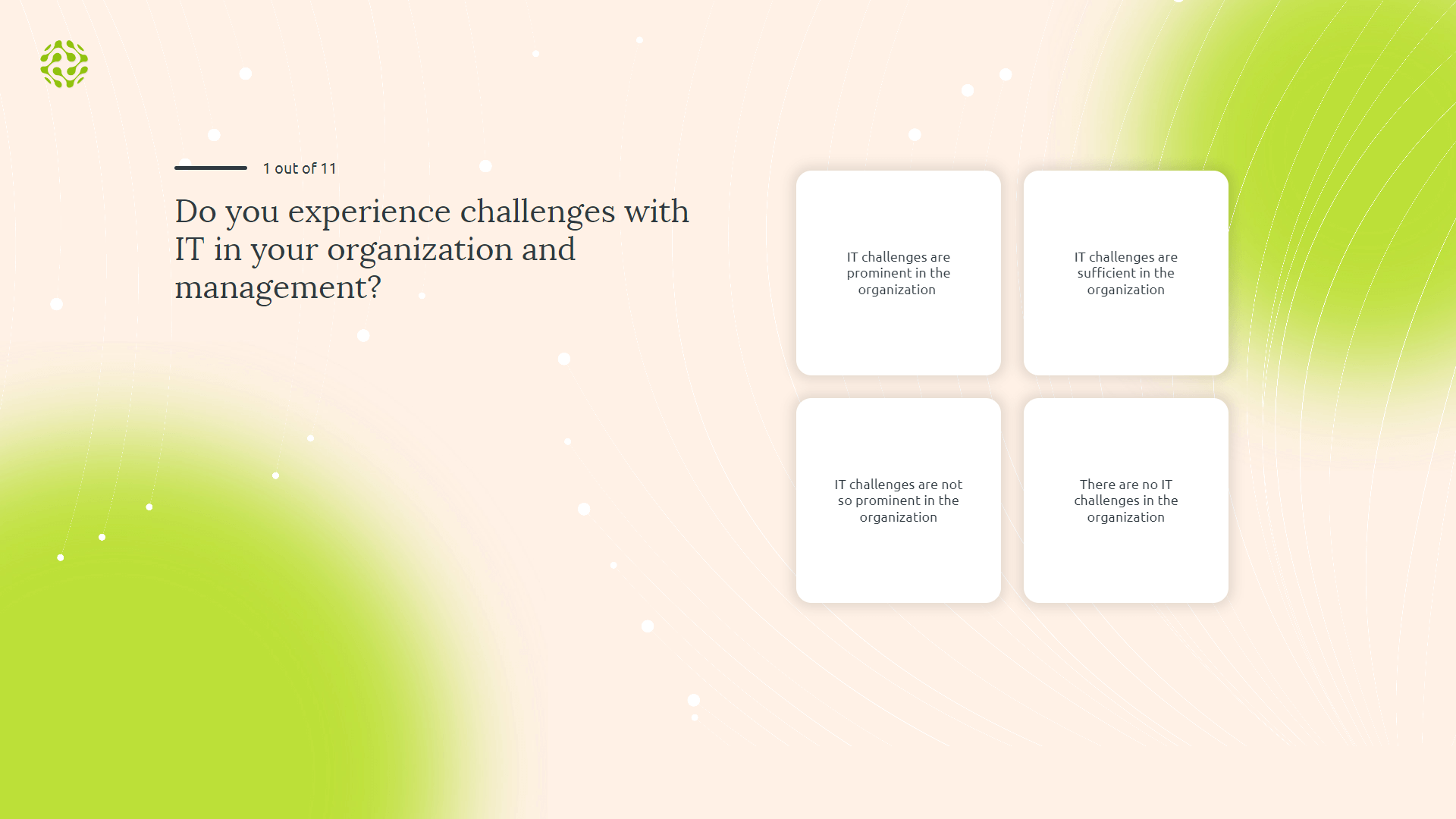
- Forms

These experiences help users evaluate options, understand outcomes, and make more informed decisions based on their own needs or inputs.
Instead of simply presenting information, these experiences help guide users toward clearer decisions.
Across all of these experience types, AI-powered personalization helps:
- tailor interactions dynamically
- create more contextual experiences
- reduce complexity
- guide users toward meaningful next steps
The focus shifts from broadcasting information to creating experiences that actively respond to people.
Why Experiences with AI-Powered Personalization Perform Better
The value of AI-powered personalization isn’t simply making content more relevant.
It’s improving how digital experiences perform overall.
When experiences adjust based on user behavior, they become easier to navigate, more useful, and more aligned with what users are actually trying to accomplish.
That can improve performance across multiple areas, including:
- engagement quality
- conversion potential
- customer progression
- interaction depth
- journey completion
AI-powered personalization helps improve experiences by:
- increasing relevance
- reducing friction
- improving interaction flow
- delivering more contextual next steps
- helping users move through decisions more efficiently
Instead of forcing users through the same fixed journey, AI-powered experiences can adapt around behavior and intent. That makes the experience feel more guided rather than generic.
Interactive Experiences also reveal stronger behavioral signals than passive content alone.
Brands can better understand preferences, engagement patterns, user intent and progression through experiences.
This gives teams a clearer picture of how users interact, where friction appears, and what actually helps move people forward.
Not because people suddenly love marketing more, but because useful experiences tend to perform better than static ones.
As customer expectations continue to rise, static personalization becomes less effective because it struggles to maintain the same level of relevance, responsiveness, and usability throughout the journey.
The Difference Between Automated and AI-Powered Personalization
One of the biggest misconceptions around AI-powered personalization is assuming automation automatically creates better experiences.
It doesn’t.
A lot of brands use AI primarily for:
- generating content
- automating workflows
- speeding up production
Useful? Absolutely.
But that alone doesn’t necessarily improve the experience itself.
Automated personalization often still relies on:
- fixed journeys
- static outputs
- predefined paths
- limited interaction logic
As a result, the experience can still feel generic even though AI is involved behind the scenes.
Interactive personalization works differently.
Instead of simply automating delivery, it adapts continuously based on user interaction and behavior.
As users engage, the journey adjusts around their behavior and intent.
That distinction matters.
Because users don’t really care whether AI is involved.
They care whether the experience feels useful, responsive, relevant or easy to navigate.
No one finishes an experience thinking:
“Wow, the backend automation architecture was incredible.”
They remember whether the experience actually helped them.
The real value of AI-powered personalization comes from creating experiences that actively respond to users rather than simply automating static journeys.
The Future of AI-Powered Personalization
AI-powered personalization is moving toward experiences that feel less fixed and more fluid.
Future experiences will increasingly rely on:
- conversational interaction
- predictive recommendations
- adaptive customer journeys
- real-time decision support
The goal is not simply automating engagement.
It’s creating experiences that can respond more intelligently as users move through them.
As AI capabilities continue evolving, personalization will become less about targeting audiences and more about helping individuals navigate decisions in more relevant and useful ways.
In other words, the future probably involves fewer static funnels and fewer “Dear [First Name]” emails pretending to be personalization.
From Personalized Content to Interactive Experiences
AI-powered personalization is no longer just about delivering more relevant content.
The bigger shift is creating experiences that actively respond to users as they engage.
That’s where interactivity becomes more important.
Interactive Experiences allow personalization to become:
- more contextual
- more responsive
- more decision-focused
- more useful
Instead of passively receiving information, users participate in experiences that evolve based on their behavior, preferences, and interaction.
The brands creating stronger engagement today are moving beyond static personalization toward:
- interactive engagement
- adaptive customer journeys
- more responsive digital experiences
Because ultimately, the future of AI-powered personalization isn’t simply better targeting.
It’s creating experiences that feel more interactive, intelligent, and genuinely useful to the people using them.
For teams ready to make personalization feel a bit less robotic, platforms like Dot.vu offer over 300 templates for creating more interactive digital experiences. There’s a 14-day free trial if you’re curious what happens when personalization actually feels personal.
Frequently Asked Questions
AI-powered personalization uses AI, behavioral data, and customer interactions to make digital experiences more relevant and responsive. Instead of showing every user the same journey, experiences can adapt recommendations, content, and next steps based on user behavior and intent.
AI-powered personalization makes experiences more interactive by allowing them to adjust dynamically as users engage. That could mean refining recommendations, changing pathways, or guiding users toward more relevant next steps in real time. Instead of passively consuming content, users actively shape the experience through their responses and interactions.
Examples of AI-powered personalized experiences include Guided Selling experiences, Quizzes, Personality Tests, and Interactive Conversations. These experiences use customer inputs and behavioral signals to create more relevant and engaging digital journeys.