
If you’ve ever tried running content marketing armed with nothing but Google Docs, a yearly planner you swore you’d use, and blind faith… yeah, no. It’s doable, but it’ll age you faster than a year of unpaid internships. Content marketing works — brilliantly, even — but only when you’re not fighting your own process every step of the way.
That’s where content marketing tools come in. Not as shiny toys, but as the backbone of a workflow that doesn’t fall apart the minute you get busy. The right stack helps you plan better, write smarter, publish consistently, and actually measure what’s working instead of guessing like you’re reading tea leaves.
Table of content:
- What Content Marketing Tools Are (And Why They Matter More Than Most People Admit)
- SEO and Keyword Research Tools
- Content Creation and Optimization Tools
- Distribution and Social Media Tools
- Analytics and Project Management Tools
- How to Choose the Right Content Marketing Tools
- A Simple, Effective Content Marketing Stack (That Won’t Overwhelm You)
- Let Tools Carry Do the Heavy Lifting
What Content Marketing Tools Are (And Why They Matter More Than Most People Admit)
People love to overcomplicate “content marketing tools,” but they’re basically anything that helps you:
- figure out what your audience wants,
- create content worth reading,
- get that content seen, and
- track whether it’s doing its job.
And honestly? Most teams don’t “choose tools.” They panic-select whatever fixes the fire in front of them. But if you’re asking:
What are the best tools for content marketing?
or
Which tools actually help instead of adding clutter?
— the answer is the ones that support your content marketing strategy instead of making it harder to execute.
SEO and Keyword Research Tools
You can pour your soul into the perfect article, but if SEO isn’t part of the process, it’s like whispering into the void. These tools help you understand search behavior, competitor strategies, and which topics actually have demand.
Ahrefs
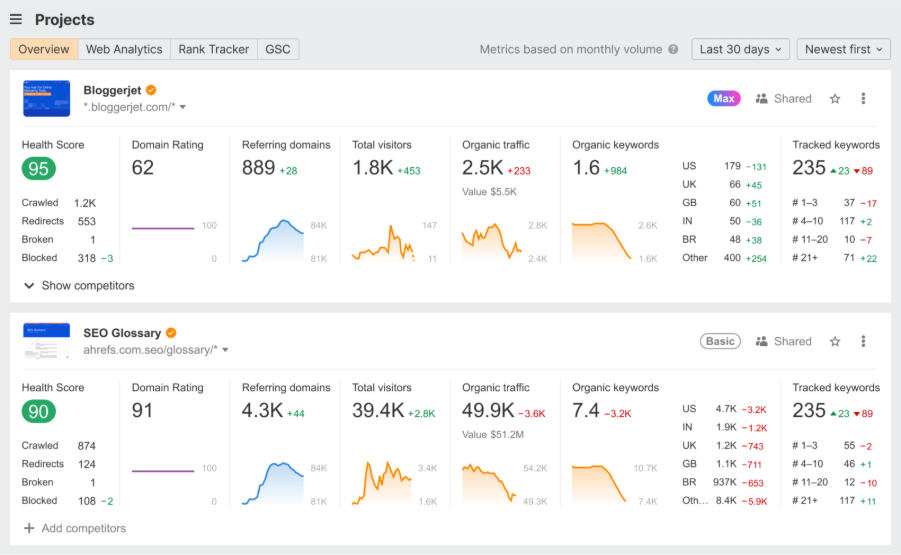
Loved by SEO pros everywhere. Ahrefs is basically your competitive superpower. It helps you figure out:
- what keywords competitors rank for,
- which pages bring them the most traffic,
- where their backlinks come from,
and where the gaps are (so you can swoop in).
If out-ranking competitors is part of your mission, Ahrefs is a must.
Semrush
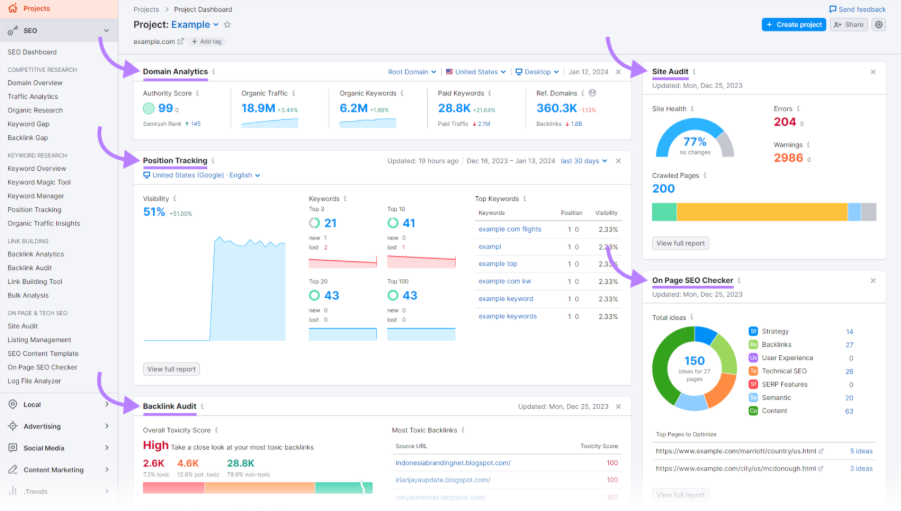
Semrush is a full content command center for anyone serious about SEO and content strategy. You get:
- keyword and topic research,
- competitor analysis,
- an SEO writing assistant,
- insights into content clusters and search intent.
It’s ideal if you want your SEO and content marketing to work together, not in awkward parallel universes.
Google Search Console
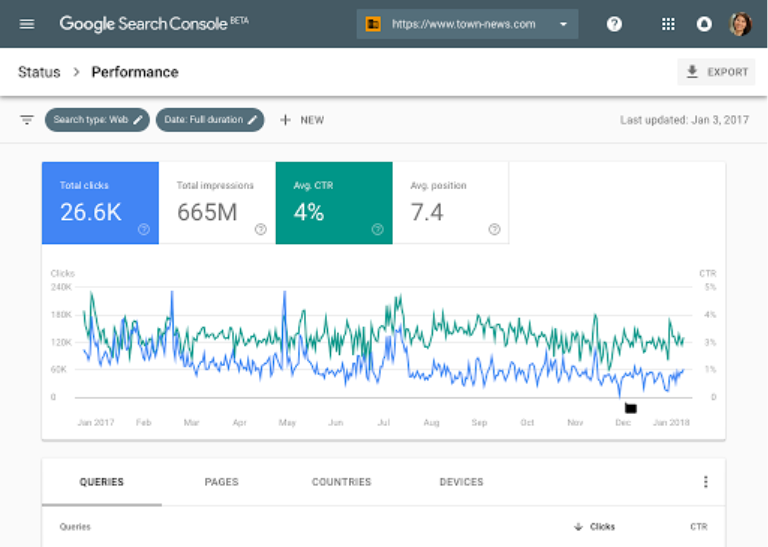
GSC is criminally underrated. This tool gives you direct data from Google about how your site performs:
- which keywords you already rank for,
- how your pages appear in search,
- click-through rates,
- and technical issues hurting your performance.
The best part is that It’s actual data from Google — not third-party guesses.
Google Keyword Planner
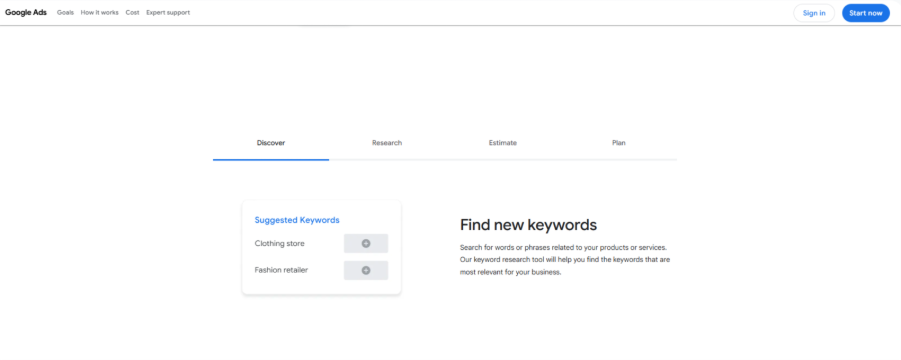
Even though it lives in Google Ads, Google Keyword Planner is super helpful for:
- early-stage keyword discovery,
- search volume insights,
- mapping out seasonal topics or content themes.
AnswerThePublic
Writer’s block? Gone.
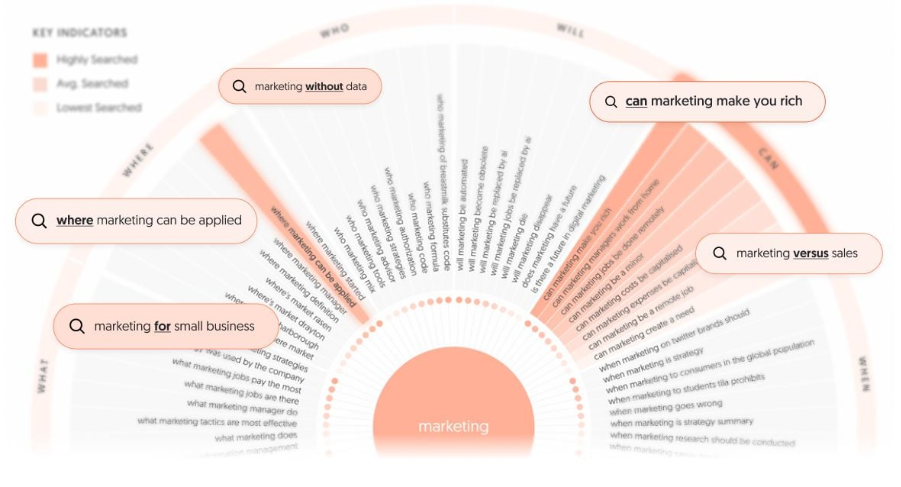
AnswerThePublic reveals:
- questions people ask around your topic,
- phrasing real humans use,
- angles you might not think of on your own,
- content ideas you can turn into blogs, videos, social posts, and more.
It’s like having your audience whisper their curiosities directly into your ear (not creepy — helpful).
Content Creation and Optimization Tools
Once you’ve handled the research side, you need to make your content readable and visually appealing. These tools help you go from rough ideas to polished pieces people actually enjoy.
Grammarly
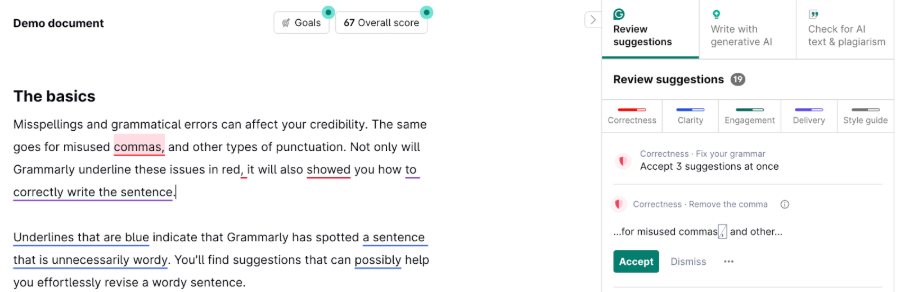
Your grammar safety net. Grammarly helps you with:
- clarity
- tone
- awkward phrasing
- overused words
- accidental passive voice
- and those sneaky typos you swear weren’t there a second ago.
Basically, all the things you don’t notice after staring at the same paragraph for an hour. It’s an editor that never gets tired.
Hemingway Editor
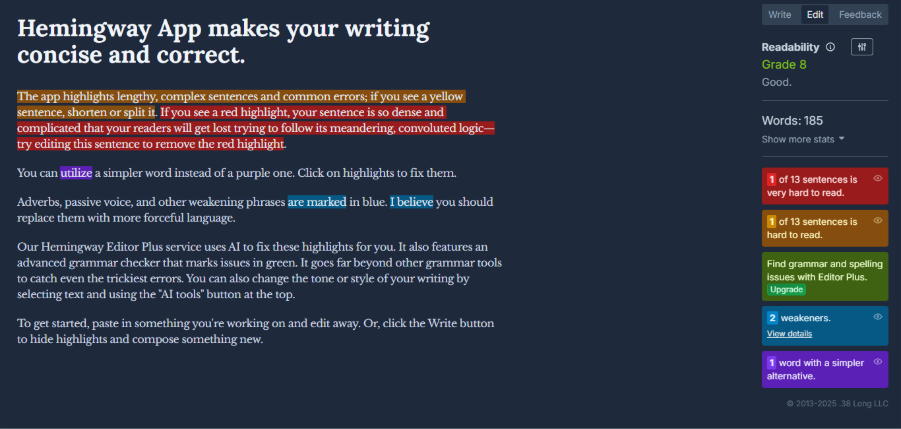
Hemingway exists for one reason: to save readers from unnecessarily complicated writing.
It highlights:
- dense, heavy sentences,
- excessive adverbs,
- confusing structures,
- and anything that makes your writing feel like a maze.
It highlights complex sentences, unnecessary adverbs, and passive voice so you can tighten everything up. The results are stronger, cleaner, and bolder content.
Canva
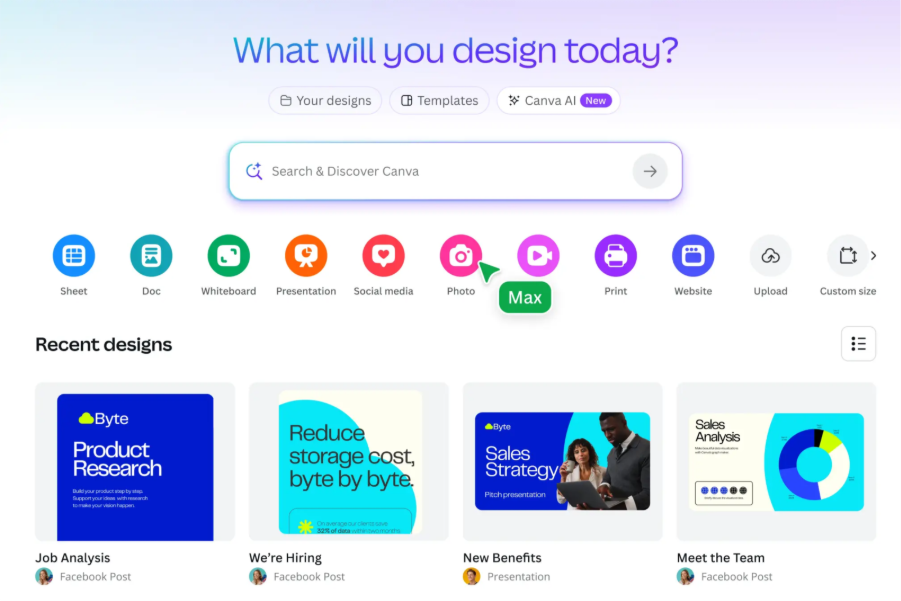
You no longer need a design degree to create polished visuals. Canva gives you everything you need for social media graphics, website graphics — you name it. Canva gives you:
- templates for graphics, carousels, infographics, presentations, videos,
- an easy drag-and-drop editor,
- tools to keep your branding consistent,
- and enough design options to make non-designers look talented.
Dot.vu
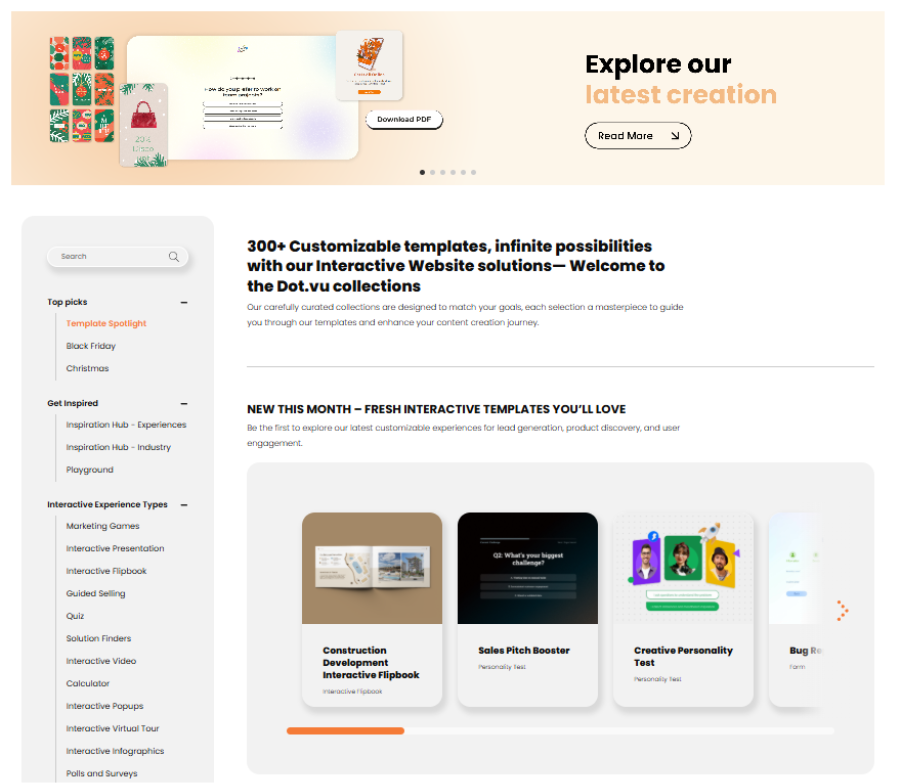
Static content is fine, but Interactive Content grabs attention in a way few things do. Dot.vu has snagged the Martech Breakthrough Award two years straight, and it’s no surprise because the platform lets you create:
It’s great for engagement, time-on-page, and giving your audience something memorable. Here’s a list creative marketing examples from top brands.
Distribution and Social Media Tools
You can create incredible content, but if it never leaves your Google Drive… well. Congrats, you just wrote a private diary entry.
These tools make distribution easier, faster, and way less chaotic.
Hootsuite

Perfect for managing everything in one place. With Hootsuite you can:
- schedule posts across multiple platforms,
- monitor mentions and conversations,
- respond without logging into five apps,
- analyze performance trends.
It keeps social media from becoming a full-time job and keeps your social media presence organized and consistent, even on the weeks when everything else feels chaotic.
HubSpot
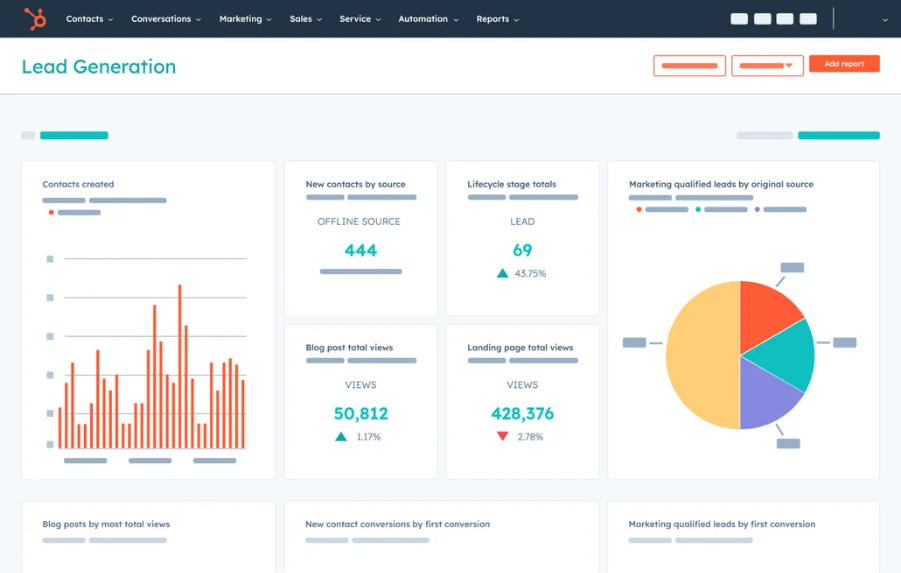
HubSpot is the “everything lives here now” platform. Beyond social scheduling, it helps you:
- run email campaigns,
- manage your CRM,
- automate nurturing workflows,
- measure content performance,
- connect content output to actual leads.
If you want your content and customer journey living under one roof instead of ten different tabs, HubSpot is that roof. It’s especially helpful for businesses that want to measure content impact beyond impressions and see how it supports conversions.
Mailchimp
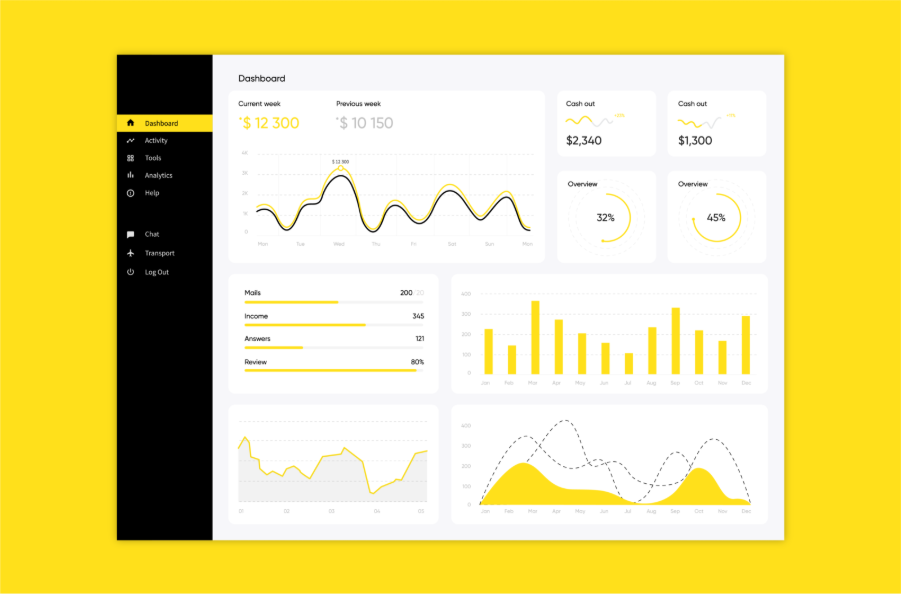
Email marketing still delivers some of the highest ROI in digital marketing. Mailchimp helps you:
- create newsletters,
- build automated welcome sequences,
- segment your audience,
- A/B test campaigns,
- track open + click behavior.
It’s simple but powerful, and perfect for staying top-of-mind.
Analytics and Project Management Tools
This is the part everyone wants to skip, but it’s also the part that saves your entire strategy. Without analytics, you’re guessing. Without project management, you’re juggling.
Google Analytics

Google Analytics shows you:
- where your traffic comes from,
- how people navigate your site,
- what content keeps them engaged,
- which pages convert,
- and where people drop off.
If content is the engine, analytics is the map.
Notion
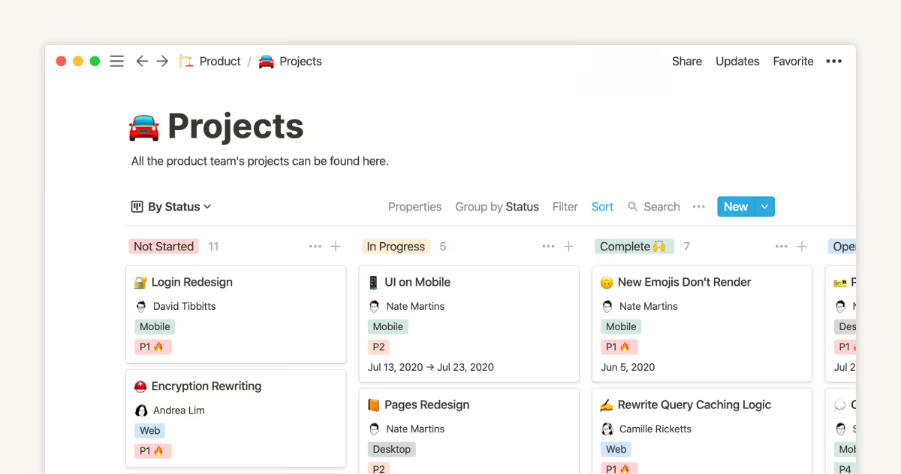
Your content HQ. You can use Notion for:
- editorial calendars
- content briefs
- SOPs
- content libraries
- research databases
- team documentation
- content request forms
- literally anything else you need
It’s flexible enough to build your workflow your way.
Asana
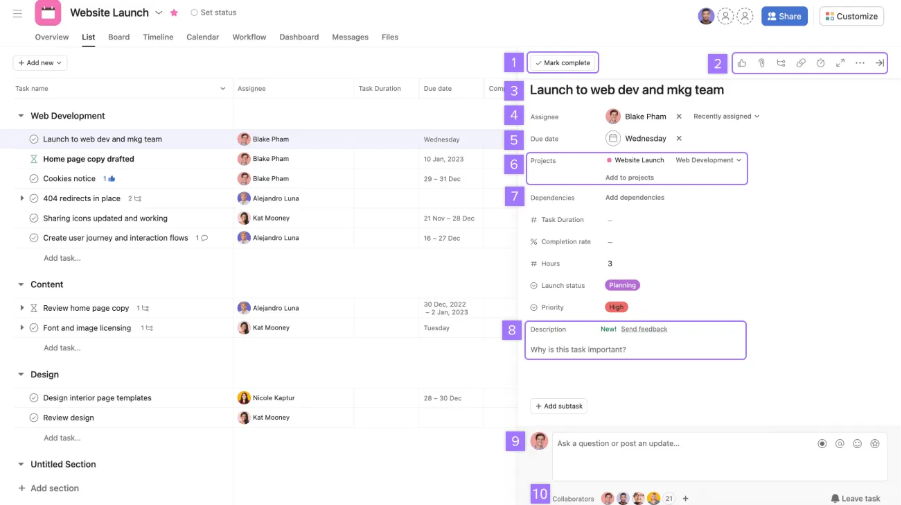
Asana gives structure to your production. It helps you:
- break content into tasks and subtasks,
- assign responsibilities,
- track deadlines,
- visualize workflows,
- and avoid the classic “Wait, who was supposed to review this?” nightmare.
It’s clean, reliable, and easy to scale.
How to Choose the Right Content Marketing Tools
A good content stack should:
- solve real problems you’re experiencing,
- reduce friction rather than add more,
- work with your existing workflow,
- scale as your team grows.
Don’t pick tools because they’re trendy. Pick the ones that keep your process simple.
Start with:
- “Where are we bottlenecking?”
- “Which tasks feel messy or slow?”
- “What do I wish I could automate or streamline?”
Then build from there.
A Simple, Effective Content Marketing Stack (That Won’t Overwhelm You)
A clean, balanced setup might look like this:
- SEO & Research: Ahrefs or Semrush + Google Search Console
- Content Creation: Grammarly + Hemingway + Canva
- Interactive Content: Dot.vu
- Distribution: Hootsuite + HubSpot + Mailchimp
- Analytics: Google Analytics
- Organization: Notion + Asana
Covers everything from planning → writing → publishing → analyzing.
Let Tools Carry Do the Heavy Lifting
Content marketing becomes infinitely less stressful when you’re not manually juggling a hundred moving parts. With the right tools, your ideas flow smoother, your SEO gets stronger, your distribution becomes consistent, and your workflow stops feeling like a circus act.
Start small. Build intentionally. Let these tools do the heavy lifting so you can focus on creating genuinely great content — not fighting your process.