TL; DR
Sales lead generation is the process of attracting potential buyers, capturing useful information, and identifying which prospects are worth a sales conversation.
The strongest strategies do more than add names to a CRM. They reveal needs. Intent. And readiness. This helps sales teams prioritize the right people and make every follow-up more relevant.
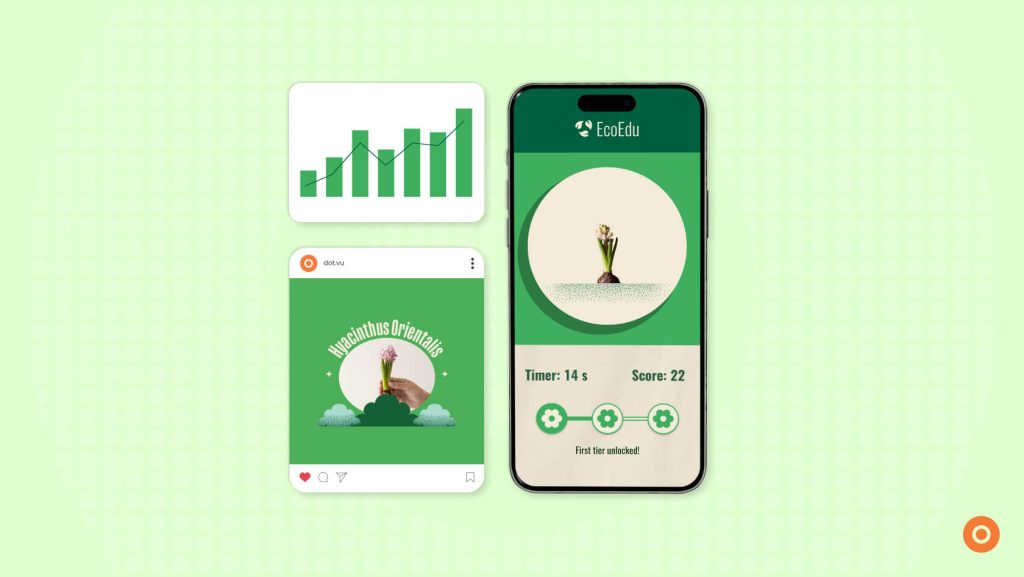
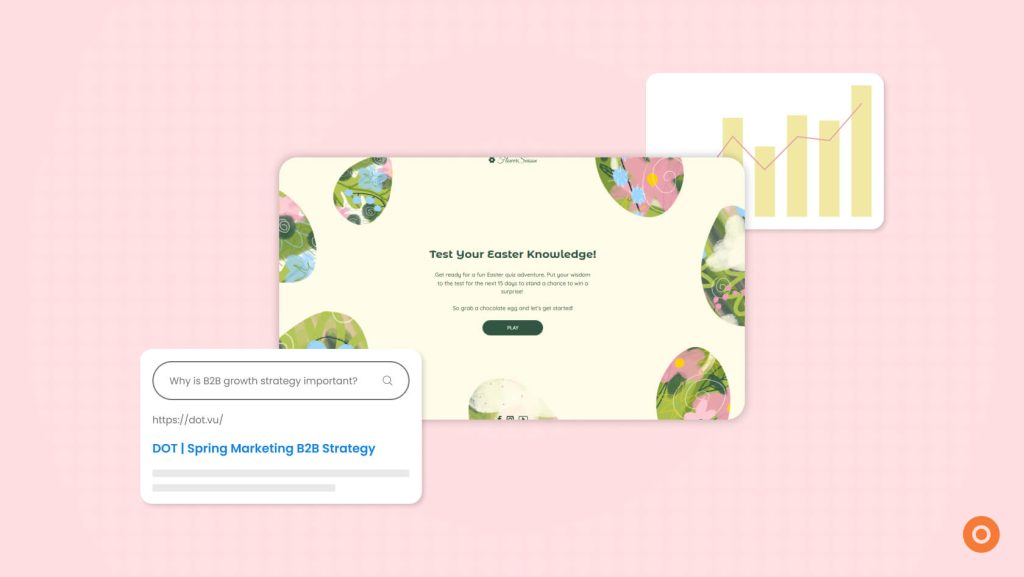
Interactive Experiences can support this process by offering prospects something useful in return for their input. Think Quizzes. Assessments. Calculators. And Product Recommenders that collect zero-party data while helping people move closer to a decision.
The real challenge is generating the right leads
Generating leads looks good on a dashboard.
Generating leads that sales actually want to contact? Slightly harder.
According to HubSpot’s 2026 State of Marketing data, 33.3% of marketing managers say generating quality leads is their biggest challenge.
Lead quality is also tracked more widely than lead volume. The figures stand at 39.4% versus 29.2%.
That tells us something important.
More names are not necessarily the goal. Better prospects are.
So, how do you attract people who may genuinely need what you offer? And how do you qualify them without handing sales a little more than an email address and a hopeful shrug?
Let’s break it down. In this blog:
What is sales lead generation?
Sales lead generation is the process of finding potential buyers and encouraging them to show interest. It also involves capturing relevant information and determining whether they are likely to become customers.
In other words, it connects marketing activities with sales action.
Lead generation attracts interest
Lead generation attracts potential customers through different channels.
Think search. Social media. Paid campaigns. Events. Referrals. Content. And outbound outreach.
The goal is to reach people with a relevant problem and give them a reason to engage.
Lead capture turns interest into information
Lead capture is the point where an anonymous visitor becomes a known contact.
They might complete a form. Request a demo. Register for a webinar. Or finish an Assessment.
But a name and email address only tell you who the person is. Stronger lead capture also reveals what they need and why they engaged.
That context makes the lead far more useful.
Lead qualification decides what happens next
Lead qualification evaluates whether a prospect fits your ideal customer profile. It also considers whether they appear ready for a sales conversation.
Some leads should go directly to sales. Some need nurturing. Others are simply not a good fit.
That is your qualification process doing its job.
Seven sales lead generation strategies for finding better prospects
The best lead generation strategies do more than create demand. They capture intent and help you understand the person behind the form submission.
Here are seven ways to make that happen.
1. Create content around real buying questions
Strong online lead generation begins with useful content.
Create articles, guides, comparison pages, and videos around the questions prospects ask before buying.
Go beyond general awareness topics.
Cover costs. Use cases. Obstacles. Alternatives. And decision criteria.
These high-intent questions attract people who are already trying to solve a problem.
2. Turn static lead magnets into Interactive Experiences
A gated PDF may collect an email address.
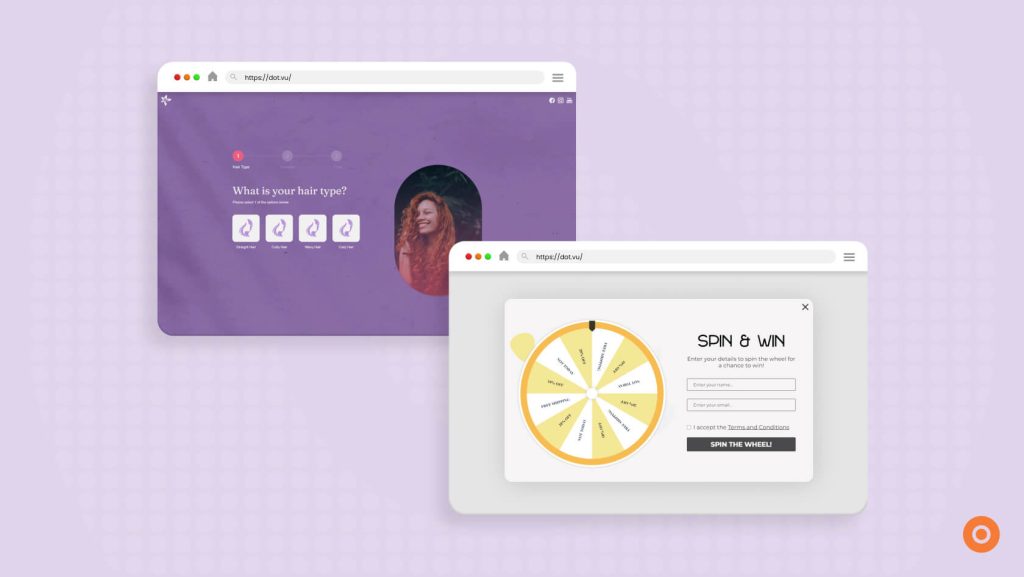
An Interactive Assessment can collect goals, challenges, priorities, and preferences. At the same time, it gives the user a personalized result.
That is a much stronger exchange.
It makes lead generation feel less like filling out a form and more like receiving useful advice.
3. Help prospects calculate or compare
Calculators and Product Recommenders work well when prospects are weighing their options.
They can estimate potential savings. Calculate ROI. Compare plans. Or find a product that fits their needs.
These inputs reveal intent. Sales can then see what the prospect is considering before reaching out.
4. Make lead capture worth the effort
Before asking prospects to complete five fields, ask one question.
What will they receive in return?
Offer a useful score. A recommendation. An estimate. Or a personalized plan.
Keep the number of form fields proportionate to the value you provide. You can also use progressive questions to collect more information gradually.
5. Extend webinars and events beyond registration
Event registration is only the beginning.
Ask attendees what they want to learn. Use live questions or polls to understand their interests. Then personalize the follow-up based on their responses.
Sales-ready attendees can receive a relevant invitation.
Early-stage prospects can enter a nurture sequence that reflects what they care about.
6. Give outbound prospecting more context
Cold outreach becomes more useful when it is based on fit. It also needs a credible reason to connect.
Start by building prospect lists around your ideal customer profile. Then tailor your messages using information such as industry, role, needs, and intent.
Salesforce reports that 48% of sales professionals lack enough bandwidth for adequate cold outreach. That makes prioritization even more important.
7. Build referral and partner pathways
Customers, industry partners, and professional communities can introduce prospects to your business.
These prospects are not arriving completely cold. Some trust is already built in.
Create a clear referral page. Explain who your offer is for. Then provide a simple next step.
A smaller stream of relevant introductions can outperform a large list of strangers.
How to qualify sales leads without slowing down the journey
Lead qualification should help prospects move forward. In fact, here is how to identify stronger prospects without adding unnecessary friction.
Align marketing and sales on what “qualified” means
Start by agreeing on your ideal customer profile.
Then define your disqualifying factors, buying signals, and handoff point. Marketing and sales should also use the same criteria for marketing-qualified and sales-qualified leads.
Score fit and intent separately
Fit looks at whether the prospect resembles the type of customer your business can serve.
Consider their industry. Company size. Location. Use case. And role.
After all, intent looks at what the prospect is doing.
This could include repeat website visits, Assessment answers, content views, Product Recommender results, or a demo request.
A strong-fit prospect with weak intent may need nurturing. A poor-fit prospect with strong intent may not deserve immediate sales time. The difference matters.
Use a framework, but keep the conversation human
Frameworks such as BANT assess budget, authority, need, and timeline.
CHAMP takes a different approach. It begins with challenges before considering authority, money, and prioritization.
You can use these frameworks as guides.
As HubSpot notes, qualification should assess fit, buying readiness, and the likelihood of becoming a customer.
After all, the goal is to understand the prospect.
Route each lead to the right next step
High-fit, high-intent leads can go directly to sales. Their responses and engagement history should go with them.
In fact, promising leads that are not ready can receive relevant content. Poor-fit leads can be removed from active follow-up.
This makes the handoff faster and more personal.
Sales knows what the prospect needs. And the prospect does not have to explain everything again.
Better leads begin with better experiences
Sales lead generation is not really about filling a database.
It is about creating enough value and relevance for the right people to identify themselves.
And that is where Interactive Content can help.
With Dot.vu, you can create Interactive Experiences that encourage your prospects to participate and share useful information.
Think Quizzes. Assessments. Calculators. Product Recommenders. Surveys. And Guided Selling flows.
These experiences support lead capture while collecting zero-party data. That data can then improve segmentation, lead qualification, and sales follow-up.
Moreover, Dot.vu’s AI Interactive Builder also helps teams move from an idea to a working Interactive Component faster.
Simply describe what you want to create. Then customize the copy. Logic. Data capture and next steps without code.
So, start your 14-day free trial and build an Interactive Experience that turns prospect participation into better sales conversations.