TL;DR (Quick Summary)
Back-to-school marketing refers to the seasonal campaigns brands create to reach students, parents, and educators preparing for a new school year. From school supplies and fashion to tech and educational services, it has become one of the biggest high-intent shopping periods of the year, creating major opportunities for brands to drive engagement, product discovery, customer acquisition, and back-to-school sales.
Why Back-to-School Marketing Is More Competitive Than Ever
The back-to-school season has quietly become one of the biggest shopping moments of the year.
What used to revolve around notebooks and lunch boxes now includes laptops, gaming accessories, dorm furniture, productivity apps, subscriptions, and pretty much anything connected to student life.
Which means almost every industry wants in.
Retailers, tech brands, fashion companies, educational institutions, and FMCG brands all compete for attention during the same short buying window. And shoppers are already seeing back-to-school promotions before summer holidays are even over.
Recent retail projections estimate that back-to-school spending could reach approximately $128 billion, showing just how important the season has become for brands.
At the same time, shoppers are becoming harder to impress.
Most brands already run:
- Seasonal ads
- Email campaigns
- Social promotions
- Product launches
- Discount campaigns
So the challenge is no longer simply getting noticed.
It is helping shoppers make decisions faster.
Because when someone is comparing fifteen laptop models, twelve backpack styles, and a planner they swear will “finally get their life together,” attention alone does not guarantee conversions.
Table of Content:
- TL;DR (Quick Summary)
- Why Back-to-School Marketing Is More Competitive Than Ever
- Why Many Back-to-School Campaigns Struggle to Convert
- What High-Performing Back-to-School Marketing Looks Like Today
- How Interactive Experiences Improve Campaign Performance
- Back-to-School Marketing Ideas That Improve Engagement and Conversions
- Why Product Discovery Is the Biggest Opportunity During Back-to-School Shopping
- Common Mistakes Brands Make During Back-to-School Campaigns
- From Seasonal Promotions to Better Buying Experiences
Why Many Back-to-School Campaigns Struggle to Convert
A lot of back-to-school campaigns are good at driving traffic.
Far fewer are good at helping people actually decide what to buy.
One of the biggest reasons is decision fatigue.
Back-to-school shopping often involves:
- Multiple product categories
- Budget considerations
- Product comparisons
- Endless promotions
- Large product catalogs
Parents are balancing affordability with quality. Students are comparing styles, specs, and reviews. Everyone suddenly has too many tabs open.
Unfortunately, many campaigns make things even harder.
Brands often rely on:
- Static landing pages
- Product-heavy grids
- Generic promotions
- Endless scrolling experiences
The result?
- Higher bounce rates
- Lower engagement
- Slower purchase decisions
- Abandoned shopping journeys
Recent consumer research also shows that families are becoming more cautious with spending and are comparing options more carefully during the back-to-school season.
This means shoppers are not just looking for products anymore.
They are looking for clarity.
And campaigns that create confusion instead of guidance usually struggle to convert.
What High-Performing Back-to-School Marketing Looks Like Today
The strongest back-to-school campaigns today do more than promote products.
They help people make decisions.
Instead of overwhelming shoppers with endless choices, high-performing campaigns focus on:
- Guided shopping
- Interactive engagement
- Personalized recommendations
- Faster decision-making
This is changing how brands approach back-to-school marketing altogether.
The customer journey is shifting from:
Static browsing → Guided buying experiences
Most shoppers do not want to spend forty minutes comparing products just to choose the right school supplies, tech accessories, or dorm essentials. They want:
- Simpler discovery
- Relevant recommendations
- Faster paths to purchase
- Experiences that actually feel helpful
That is why customer guidance is becoming such a competitive advantage during the back-to-school season.
The best-performing brands are not always the loudest.
They are often the ones making shopping feel easier.
How Interactive Experiences Improve Campaign Performance
This is where Interactive Experiences become especially useful.
Interactive Experiences help brands simplify shopping journeys by turning passive browsing into something more guided and personalized.
Instead of asking users to scroll endlessly through products, brands can help shoppers narrow choices faster through more focused experiences.
For example, Interactive Experiences can help:
- Simplify product discovery
- Reduce decision fatigue
- Personalise recommendations
- Guide users toward action faster
Instead of endless browsing, shoppers receive:
- More relevant product suggestions
- Guided recommendation flows
- Tailored shopping paths
- Faster decision support
This creates a smoother buying experience, especially during high-intent periods like back-to-school shopping.
It also aligns with growing expectations around personalization. In fact, 71% of consumers expect personalized interactions, while 76% become frustrated when this does not happen.
Personalization is no longer just about showing the “right” product.
It is about helping people navigate choices with less effort.
As AI becomes more integrated into digital experiences, brands also have more opportunities to create smarter and more responsive shopping journeys.
Instead of sending every shopper through the exact same experience, AI can help personalise recommendations, adapt journeys based on behaviour, and guide users toward more relevant products faster.
That makes Interactive Experiences feel less like static campaign content and more like helpful shopping assistants during high-intent moments like back-to-school shopping.
Because sometimes the best marketing strategy is simply helping people find what they need before they leave the site altogether.
Back-to-School Marketing Ideas That Improve Engagement and Conversions
Not every back-to-school campaign needs another giant “BIGGEST SALE OF THE YEAR” banner.
Sometimes the best-performing campaigns are simply the ones making shopping easier.
Here are a few back-to-school marketing ideas that help improve engagement while supporting better customer journeys.
Product Finder Experiences
Back-to-school shopping often starts with one big question:
“Where do I even begin?”
Product Finder experiences help answer that quickly.
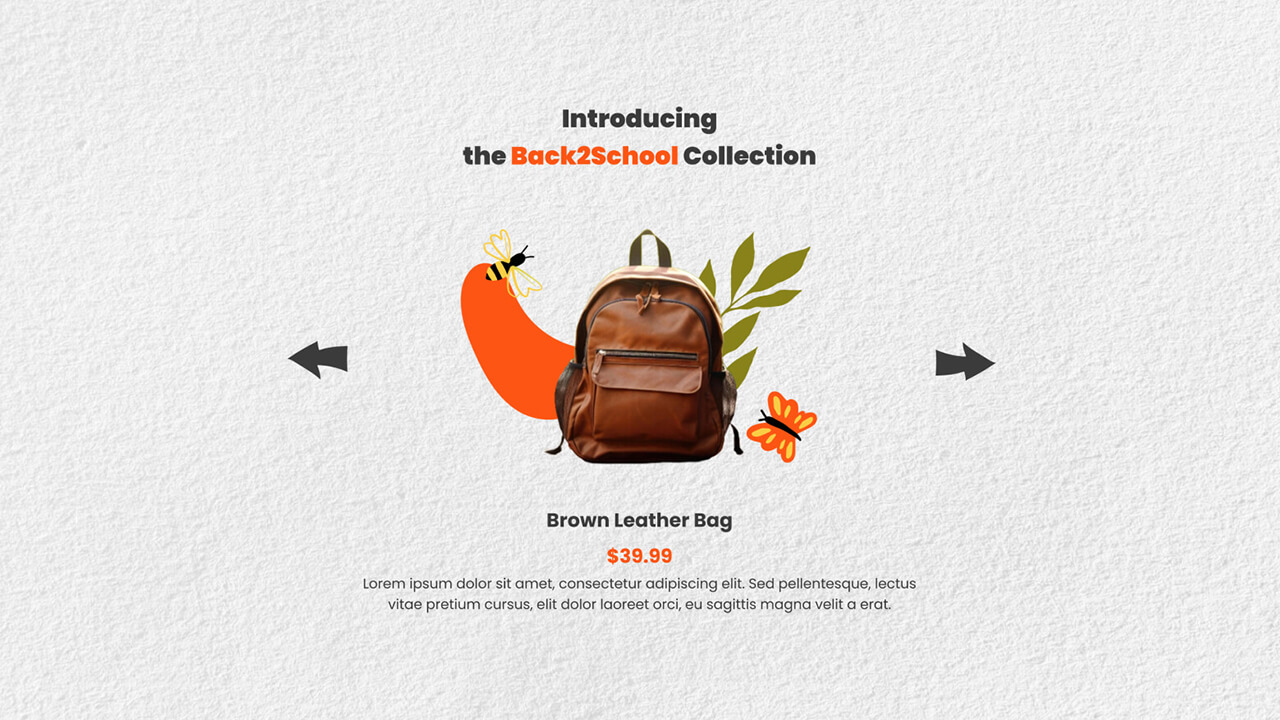
For instance, the School Supplies Finder help users narrow choices based on their needs, preferences, or budget. Instead of browsing endless product grids, shoppers receive more focused recommendations that simplify product discovery.
This works especially well for:
- School supplies
- Tech products
- Fashion
- Dorm essentials
- Educational subscriptions
The faster shoppers find relevant products, the easier it becomes to move them toward conversion.
Interactive Landing Pages
Seasonal landing pages do not have to feel static.
Interactive Landing Page experiences like the Back to School Promo create more engaging campaign entry points while guiding users toward relevant products and offers.
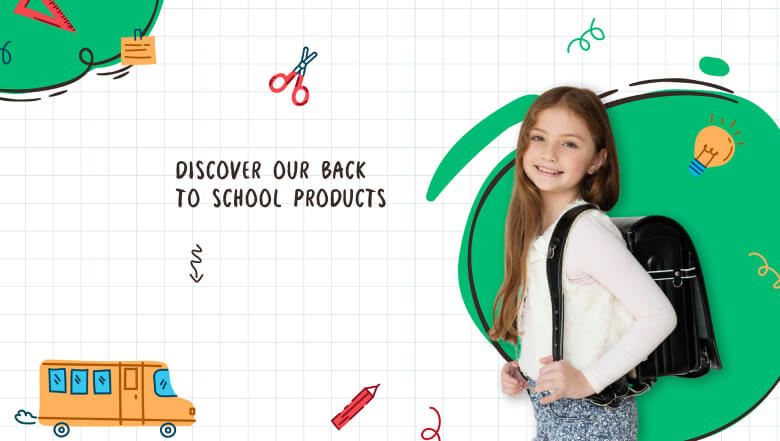
Instead of simply displaying promotions, Interactive Landing Pages can:
- Highlight featured categories
- Encourage exploration
- Guide users through recommendations
- Create more dynamic shopping journeys
Which tends to work better than turning the shopping experience into a never-ending game of “spot the difference.”
Guided Selling Experiences
Some back-to-school purchases involve a lot more consideration than others.
A notebook? Easy.
Choosing the right laptop for a student who needs performance, portability, battery life, storage, and something vaguely affordable? Slightly more complicated.
Guided Selling experiences help simplify these decisions by helping users compare products, identify needs, and narrow options faster.
This is especially valuable for:
- Technology
- Educational products
- Furniture
- Subscription services
- Higher-consideration purchases
AI-powered Guided Selling experiences can also tailor recommendations dynamically based on shopper preferences, budgets, or buying intent.
Instead of overwhelming shoppers with specs and endless comparisons, brands can create more guided buying journeys that reduce hesitation.
Interactive Quizzes
Interactive Quizzes remain one of the easiest ways to combine engagement with personalization.
For example, Drag and Drop Quiz with Rewards help brands create experiences that feel more participatory while also collecting valuable preference data.
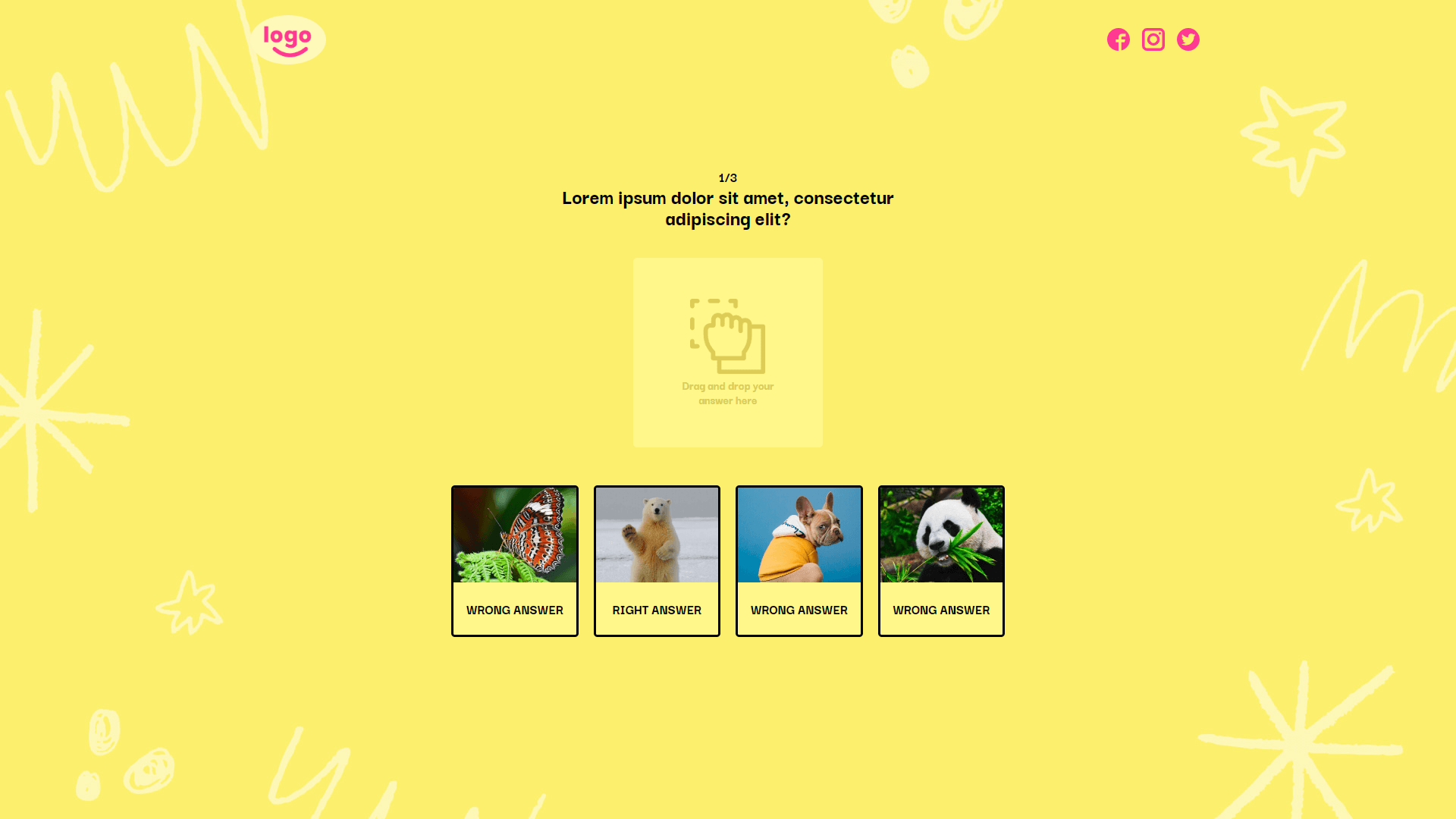
Quiz experiences can help:
- Segment audiences
- Personalise recommendations
- Increase engagement time
- Improve campaign memorability
Examples include:
- “Find Your Perfect Study Setup”
- “What Type of Student Are You?”
- “Which School Essentials Match Your Routine?”
Quizzes also work particularly well across social campaigns and email marketing because they encourage interaction instead of passive scrolling.
As AI-powered experiences become more common, Interactive Quizzes are also becoming more adaptive and personalized, helping brands create smarter recommendation journeys and more engaging customer interactions through AI-powered quizzes.
Marketing Games
Back-to-school campaigns can also benefit from lighter, more playful experiences.
Marketing Games that work well for back-to-school campaigns include:
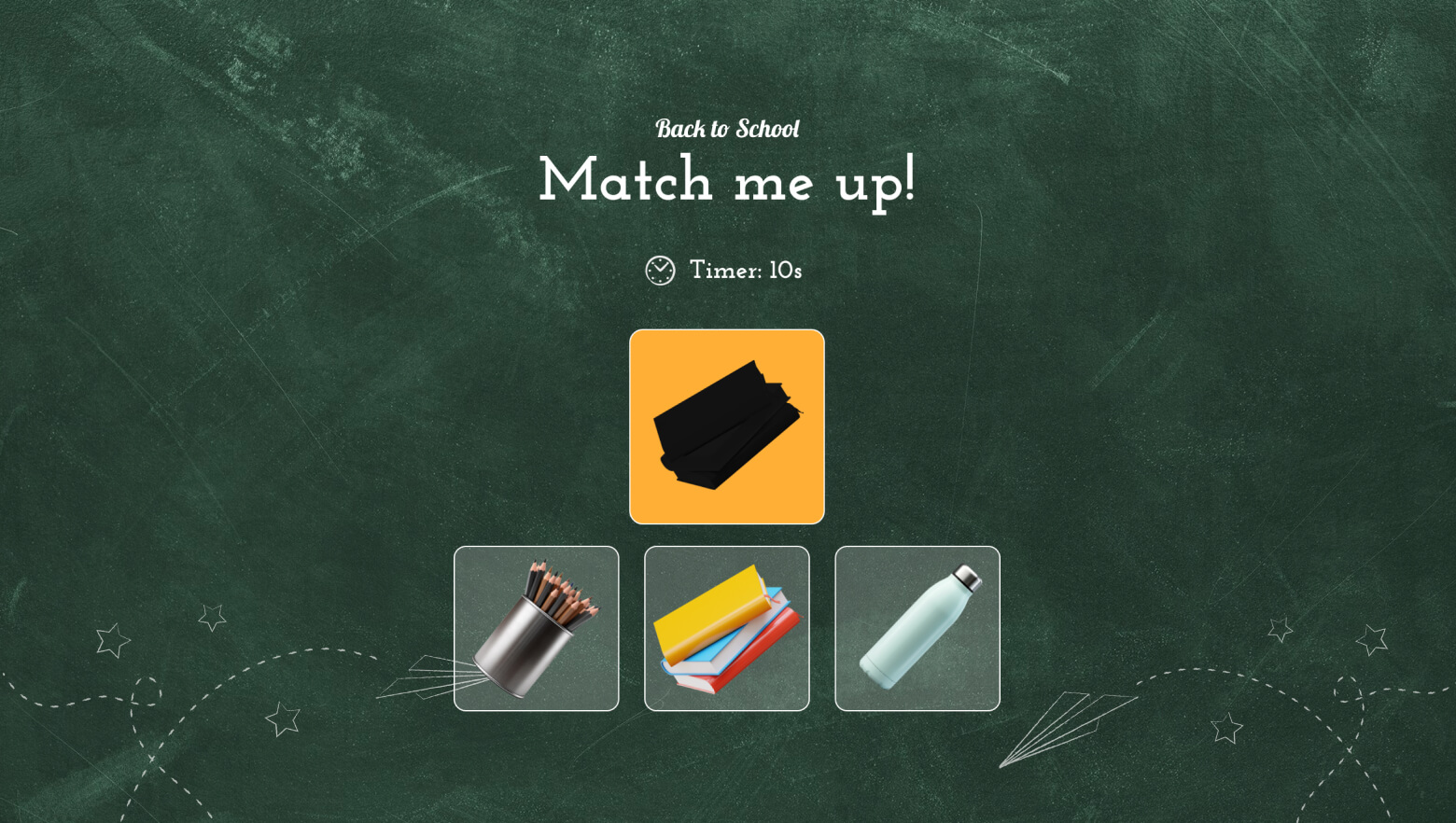
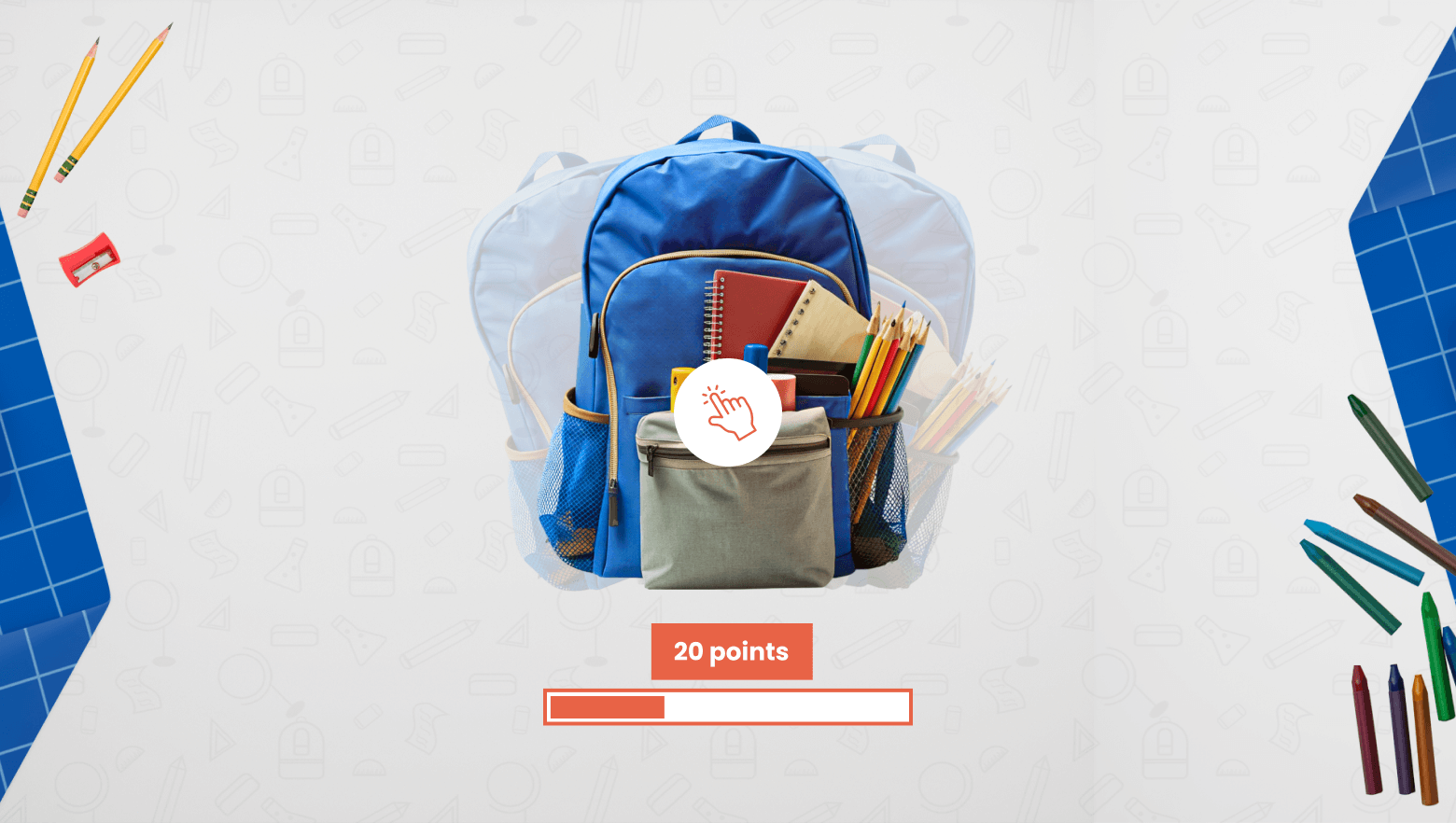
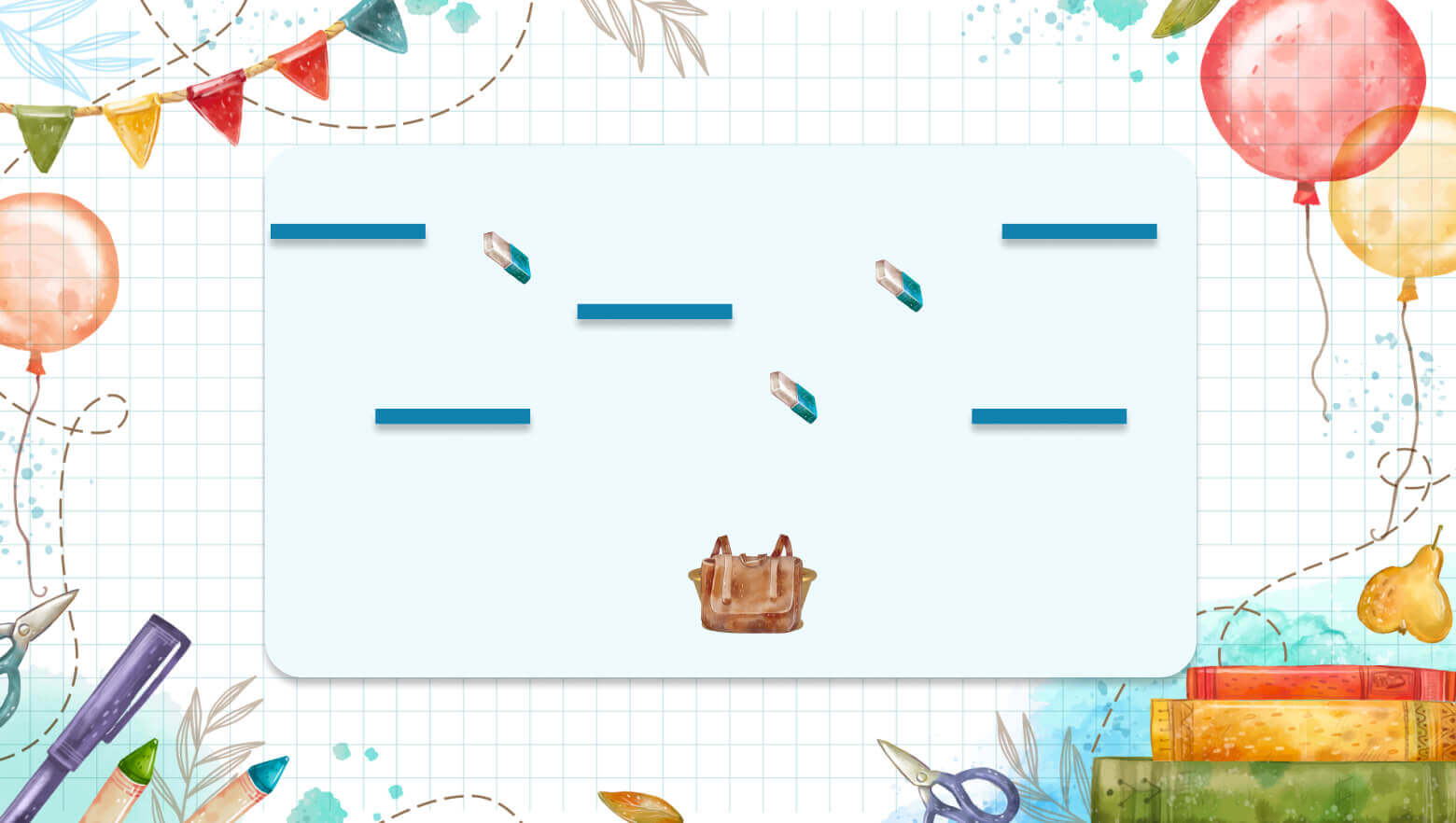
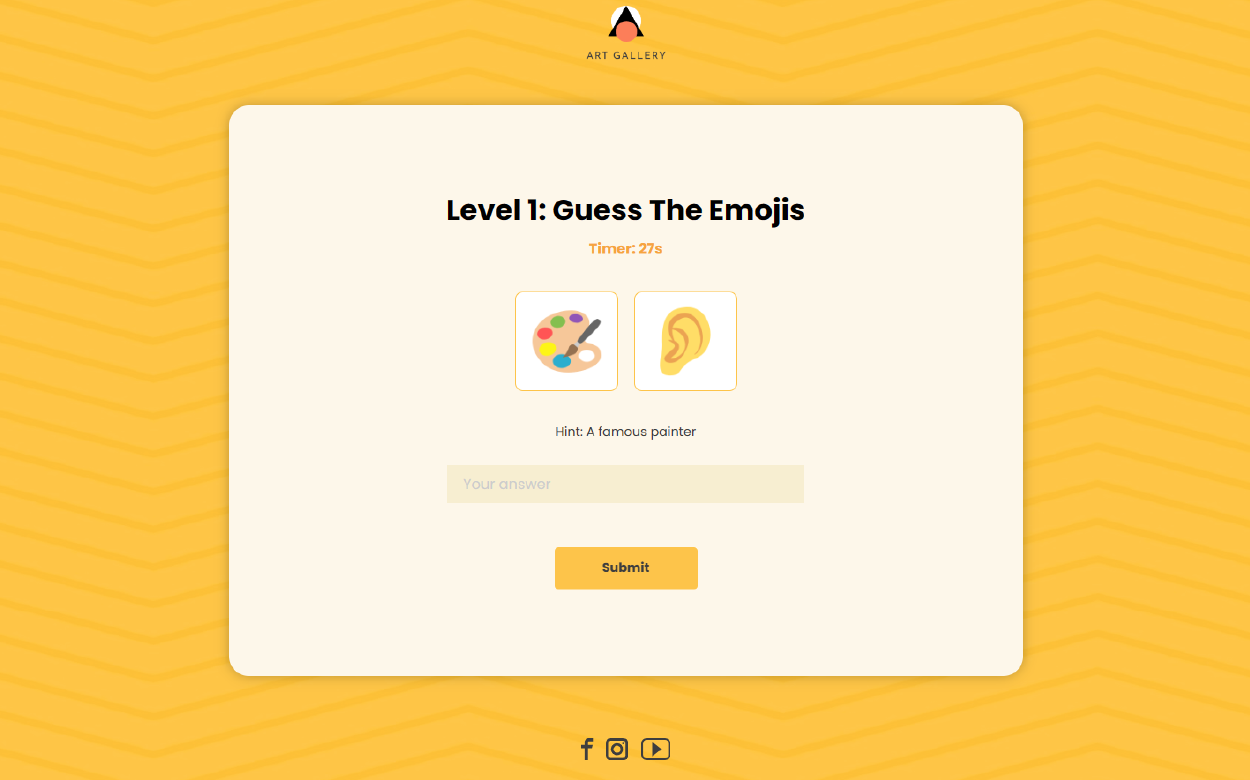
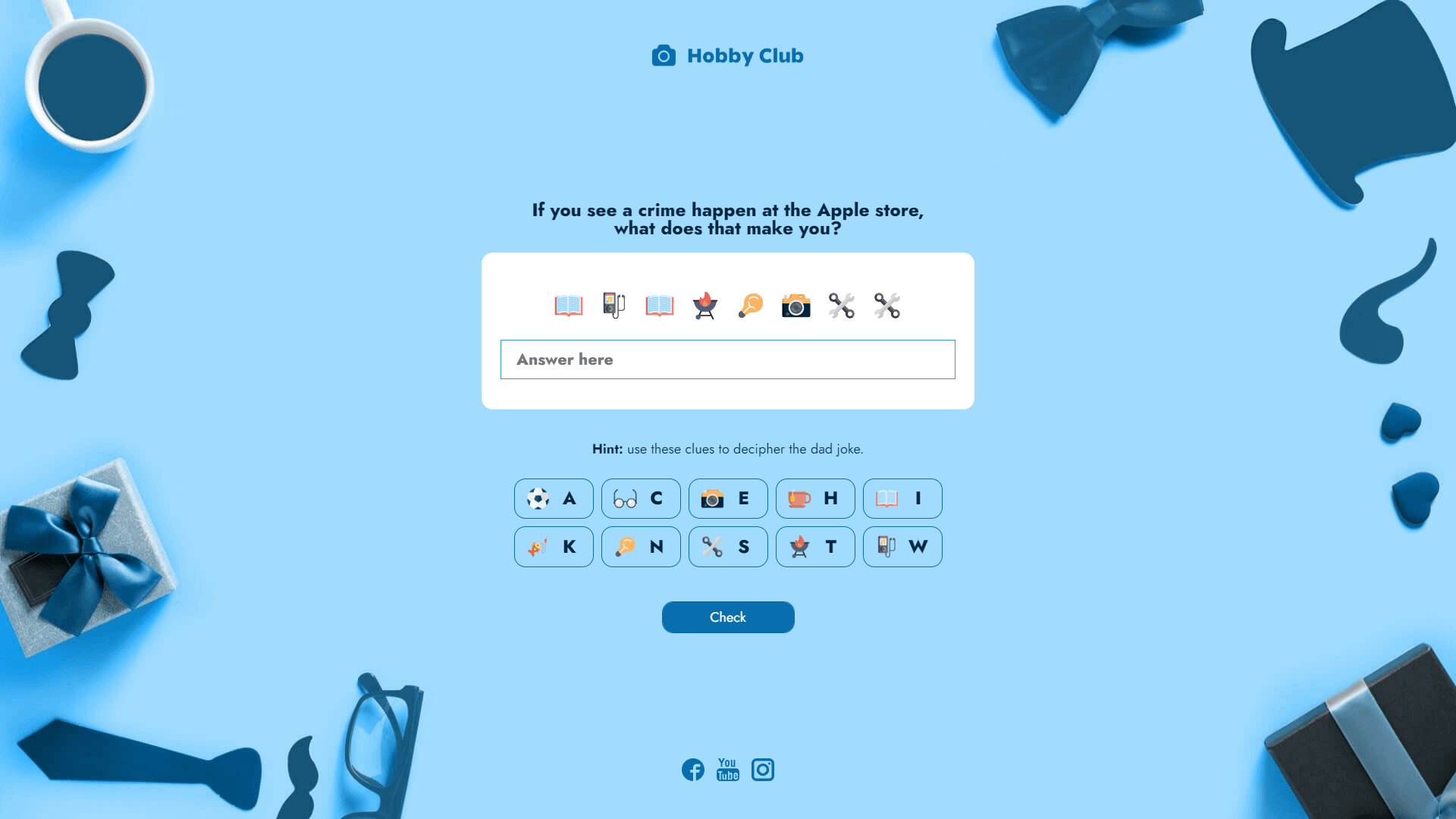
These help brands stand out during crowded seasonal campaigns by increasing engagement and repeat participation.
Gamified experiences are especially useful for:
- Social engagement
- Brand awareness campaigns
- Younger audiences
- Reward-driven promotions
Let’s be honest, after enough back-to-school shopping tabs, even matching virtual pencils starts sounding entertaining.
Interactive Flipbooks
For schools, universities, and educational institutions, Interactive Flipbooks offer a more engaging alternative to static PDFs and traditional brochures.
One strong example is the University Brochure Flipbook, which helps present information in a more interactive and visually engaging format.
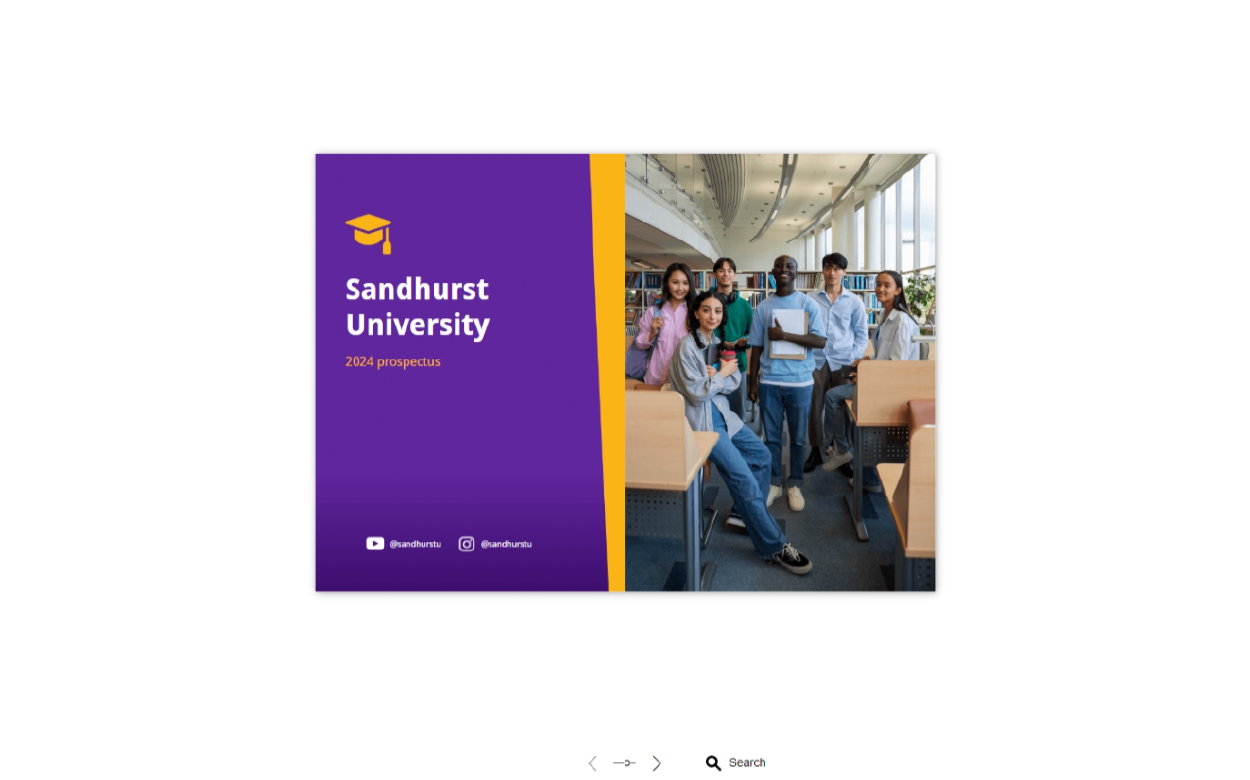
This is particularly useful for:
- Student recruitment campaigns
- Course showcases
- Orientation materials
- Campus promotions
Most people are understandably not thrilled about downloading another 42-page PDF during an already overwhelming back-to-school season.
And for marketers already juggling summer campaigns, back-to-school launches, and Q4 planning all at once, resources like the Summer Campaign Idea Generator can make brainstorming seasonal Interactive Experiences feel a little less chaotic.

Why Product Discovery Is the Biggest Opportunity During Back-to-School Shopping
One of the biggest reasons shoppers abandon back-to-school journeys is surprisingly simple:
They do not know what to choose.
Modern consumers are navigating product comparisons, feature overload, pricing variations, or conflicting recommendations.
And during the back-to-school season, that complexity increases fast.
Shoppers increasingly expect brands to help them arrow options, simplify comparisons, reduce browsing effort and make decisions faster.
This is why product discovery has become such an important opportunity for marketers.
The easier brands make it for shoppers to find relevant products, the easier it becomes to reduce friction and improve conversions.
Because after opening ten tabs comparing nearly identical backpacks, most people are ready for someone to simply tell them which one will survive the school year.
Common Mistakes Brands Make During Back-to-School Campaigns
Back-to-school campaigns often become a race to launch:
- More promotions
- More products
- More banners
- More messaging
But more does not always mean better.
In fact, many campaigns unintentionally create friction by:
- Promoting too many products at once
- Overloading landing pages
- Relying only on discounts
- Ignoring guided discovery
- Focusing on traffic instead of decision-making
One of the biggest mistakes brands make is assuming shoppers want unlimited choice.
In reality, many consumers simply want help narrowing options faster.
Campaigns that simplify journeys and reduce friction often perform better than campaigns trying to showcase everything at once.
Because when every product is labelled a “must-have back-to-school essential,” shoppers eventually stop believing any of them are.
From Seasonal Promotions to Better Buying Experiences
Back-to-school marketing is no longer just about visibility, discounts, or launching more promotions than everyone else.
Shoppers are navigating more choices, more comparisons, and more decision-making than ever before. And during a high-pressure shopping season, that complexity can quickly turn into friction.
The brands creating stronger back-to-school campaigns today are not simply pushing more products. They are creating experiences that help people move through decisions more easily.
That shift is changing how seasonal campaigns are designed.
Instead of relying entirely on static landing pages and broad promotions, brands are increasingly creating more guided, Interactive Experiences that simplify discovery, personalise recommendations, and reduce browsing fatigue along the way.
Whether through Product Recommenders, Guided Selling flows, Interactive Quizzes, or gamified experiences, Interactive Experiences help turn back-to-school shopping into something that feels a little more useful and a lot less overwhelming.
Because when shoppers are already juggling supply lists, budgets, and “must-have” recommendations from TikTok, a little guidance goes a long way. Platforms like Dot.vu help brands create more interactive and personalized back-to-school journeys through 20+ Interactive Solutions and 300+ templates designed for engagement, product discovery, and guided customer experiences.
There’s also a 14-day free trial if you want to test a few ideas before the school bell rings.