TL;DR (Quick Summary)
Summer marketing involves creating seasonal campaigns, promotions, and customer experiences that connect with audiences during the summer months. As brands compete for attention across digital channels, successful summer marketing campaigns focus on engagement, personalization, and interactive experiences that help turn interest into action.
Summer Is Prime Time for Attention Battles
Summer looks great on a marketing calendar.
People are planning vacations. They’re shopping for seasonal products. They’re looking for things to do, places to visit, and products that make summer a little more enjoyable. From fashion and beauty brands to travel companies and retailers, there is no shortage of opportunities to connect with customers.
The problem?
Everyone else sees the same opportunity.
By the time summer is in full swing, consumers are surrounded by promotions. Their inboxes are packed with seasonal offers. Their social feeds are full of summer sales, influencer partnerships, giveaways, and product launches.
Creating campaigns has become faster too. AI tools are helping marketing teams generate content, test ideas, personalize messaging, and launch campaigns more efficiently than ever before.
That’s great news for marketers.
It’s also great news for every competitor.
Evidently, consumers are spending more time online than ever before. Nearly 90% of increased free time is now spent on activities like social media, online shopping, and digital entertainment.
More screen time should mean more opportunities.
In reality, it often means more competition.
A summer campaign is no longer competing only against other brands. It’s competing against vacation videos, travel influencers, restaurant recommendations, streaming platforms, and whatever algorithm has decided to serve up next.
A view doesn’t guarantee a memory.
Table of Content:
- TL;DR (Quick Summary)
- Summer Is Prime Time for Attention Battles
- So They Clicked. Now What?
- AI Is Changing How Summer Marketing Campaigns Are Built
- Looking for Summer Marketing Campaign Inspiration?
- What Separates Good Summer Campaigns From Great Ones
- Interactive Experiences for Every Summer Marketing Goal
- A Few Summer Marketing Lessons Worth Packing
- Sunshine, Engagement, and Better Summer Marketing Results
So They Clicked. Now What?
Many summer marketing campaigns have no problem generating traffic.
The real challenge begins after someone clicks.
Imagine someone searching for a new pair of sunglasses before an upcoming trip. They click an ad and land on a page filled with hundreds of products, dozens of filters, and multiple promotional banners.
Another shopper opens a summer sale email only to find an offer that looks almost identical to the last few promotions they received.
Neither experience is terrible.
But neither experience is particularly compelling either.
That’s why marketers are paying closer attention to what happens after the click. In fact, lead-to-customer conversion is now one of the most important KPIs for marketing teams across businesses of all sizes.
Most brands can generate traffic.
Not every brand can keep people engaged.
Summer shoppers often make decisions on the go. Someone realizes they forgot sunscreen while packing. Somebody else is browsing vacation outfits while waiting for a flight. Another person is researching family activities from their phone while standing in line for coffee.
People are busy. They are not always looking for more information. Often, they are looking for help making a decision.
- What should I buy?
- Which option is right for me?
- Is this actually worth it?
The easier a brand makes those decisions, the more likely customers are to stick around.
AI Is Changing How Summer Marketing Campaigns Are Built
Not long ago, launching a seasonal campaign often meant weeks of planning, creative production, revisions, approvals, and coordination.
Today, marketing teams can move much faster.
AI is helping marketers brainstorm campaign concepts, generate content variations, personalize messaging, build audience segments, and optimize campaigns at a speed that would have seemed unrealistic just a few years ago.
For seasonal campaigns, that’s a pretty big advantage.
Summer trends move quickly. Promotions often have short windows. Teams need to react without spending weeks rebuilding a campaign from scratch every time something changes.
AI helps make that possible.
At the same time, faster content creation has raised the bar.
When everyone can create more content more efficiently, simply producing more of it is no longer enough to stand out.
People are also changing how they discover information. Nearly 30% of marketers have reported decreases in search traffic as consumers increasingly turn to AI tools for recommendations and answers.
That doesn’t make content less important.
It simply means brands need to make every interaction count.
The companies getting the most value from AI are not using it just to produce more content. They’re using it to better understand customer preferences, personalize recommendations, and create experiences that feel genuinely useful.
AI works best when it helps marketers become more helpful.
Pair AI with Interactive Experiences, and you can create campaigns that feel less like marketing and more like assistance.
Looking for Summer Marketing Campaign Inspiration?
If your campaign planning document currently contains the words “summer sale” followed by a blinking cursor, you’re not alone.
Our Summer Campaign Idea Generator can help you brainstorm fresh summer marketing ideas based on your goals. Sometimes all it takes is one good idea to kick-start an entire campaign.

What Separates Good Summer Campaigns From Great Ones
Think about the last marketing campaign you genuinely enjoyed interacting with.
It probably wasn’t a static banner ad or a page packed with product descriptions.
Chances are, it asked you to do something.
Maybe it helped you find the right product. Maybe it challenged you with a quick game. Maybe it offered a reward, a recommendation, or a personalized result that felt relevant.
But whatever the format, you probably remember the experience more than the promotion itself.
The strongest summer campaigns create opportunities for participation.
Instead of asking people to consume information, they invite people to engage with it.
That small shift can have a surprisingly big impact.
People spend more time exploring. They learn about products in a more natural way. They become more invested because they’re actively involved instead of simply observing.
Summer campaigns are starting to feel less like digital billboards and more like conversations.
And that’s often where stronger engagement begins.
Interactive Experiences for Every Summer Marketing Goal
Interactive Experiences help transform passive browsing into active participation.
Rather than expecting visitors to sort through information themselves, these experiences help guide people toward products, recommendations, offers, and decisions that feel relevant to them.
They can help marketers:
- Increase engagement and time-on-site
- Personalize recommendations
- Simplify product discovery
- Capture zero-party data
- Encourage deeper interaction
- Support stronger conversion outcomes
Let’s bring it out of the strategy deck and into the real world.
The good news? There isn’t just one way to do it.
Bring a Little Summer Fun Into the Mix
If there is one season where games feel completely natural, it’s summer.
People are already in a mindset of exploration, entertainment, and trying new things.
Marketing Games tap into that behavior while creating memorable brand interactions.
Examples include:
Turn seasonal browsing into a fun challenge that keeps visitors engaged longer.
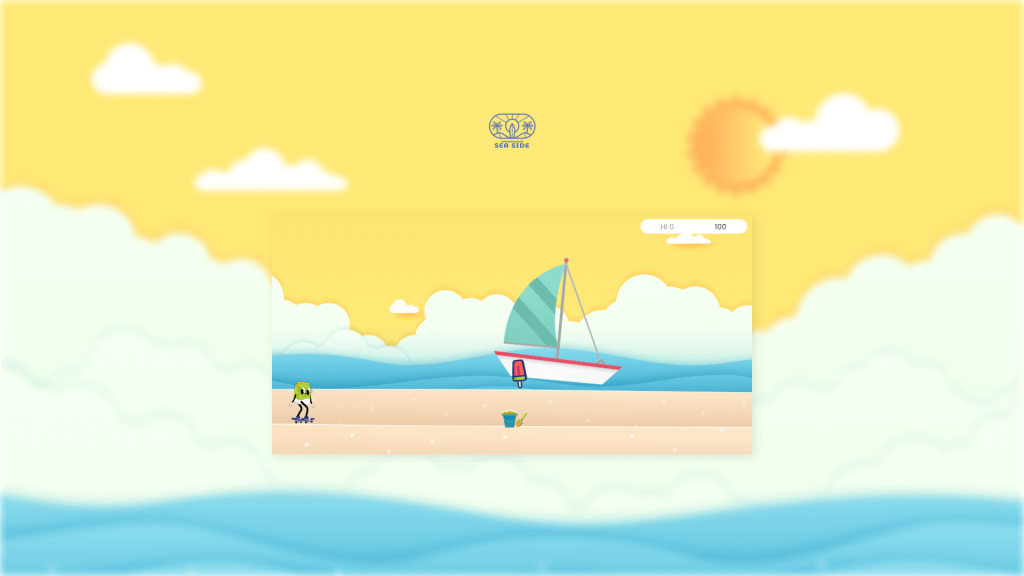
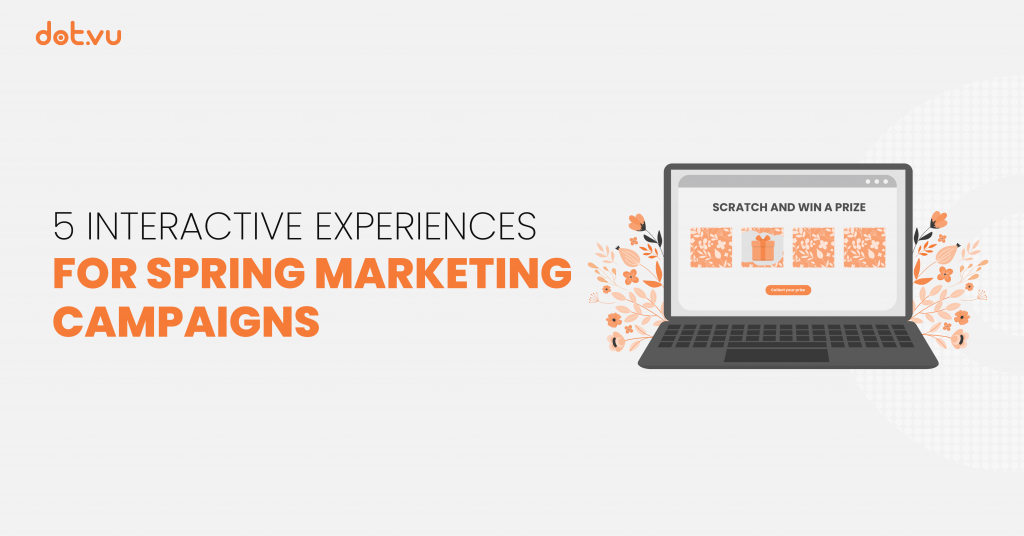
Add excitement to summer offers with prize-driven participation.
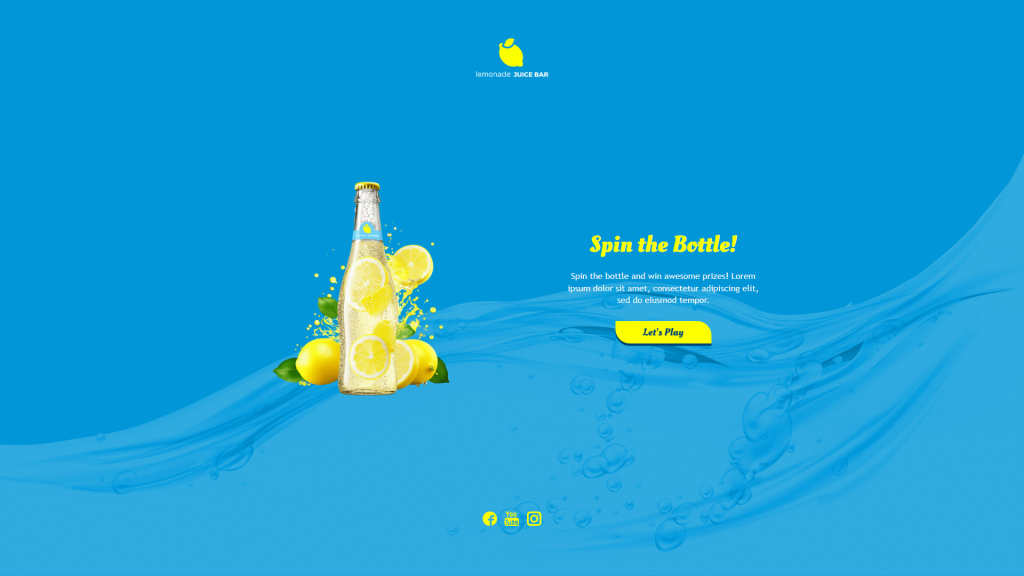
Reward visitors with instant prizes, discounts, or exclusive summer offers.
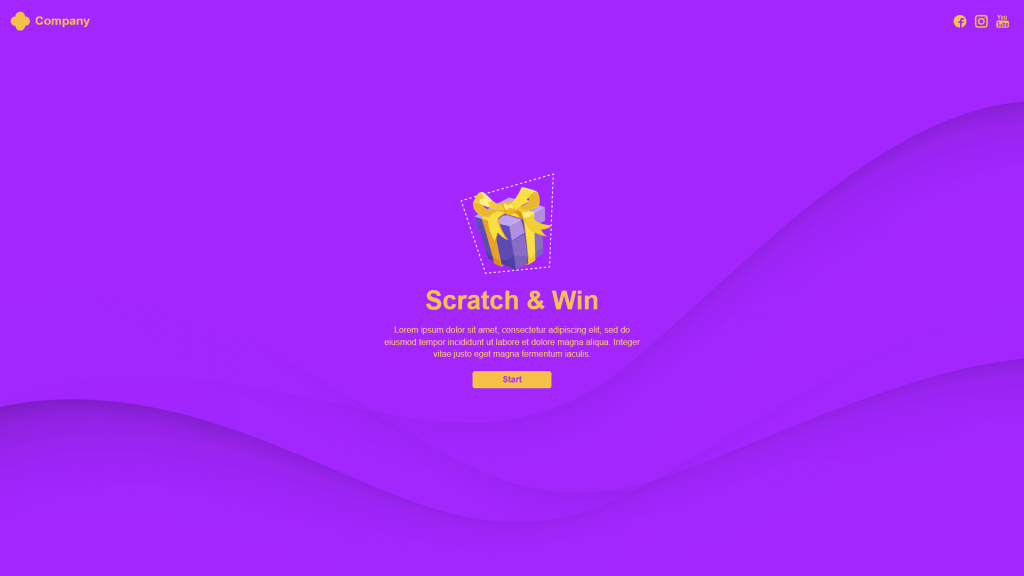
These experiences work particularly well for contests, promotions, loyalty campaigns, and social engagement initiatives.
Summer Popups With a Purpose
Most people don’t wake up hoping to see more popups.
That’s exactly why interactive ones work differently.
Instead of immediately asking visitors for an email address, Interactive Popups give people a reason to engage first.
Examples include:
Promote seasonal products while encouraging visitors to opt in for more.

Turn lead capture into a more engaging reward experience.
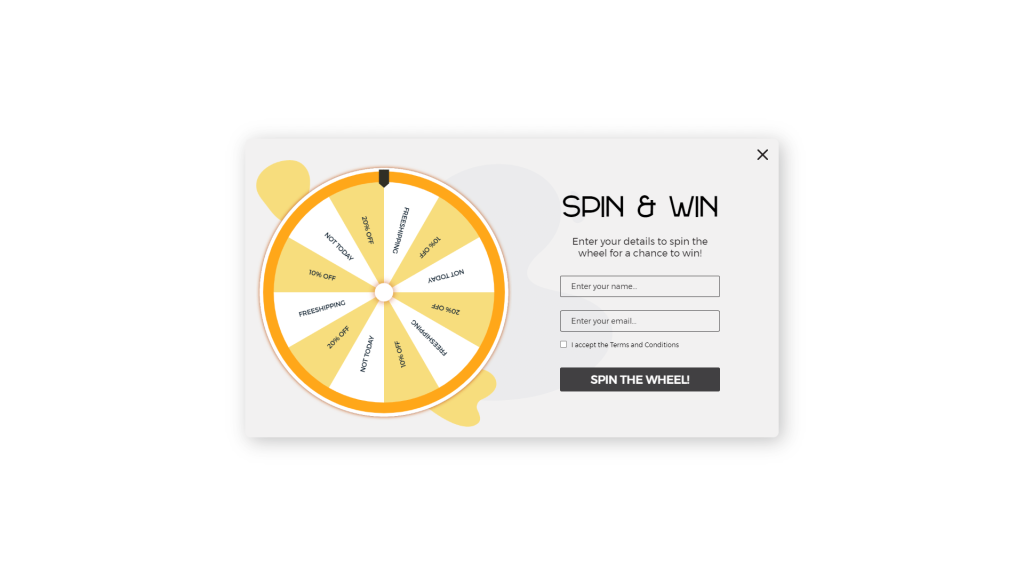
Help visitors quickly discover seasonal products and collections.
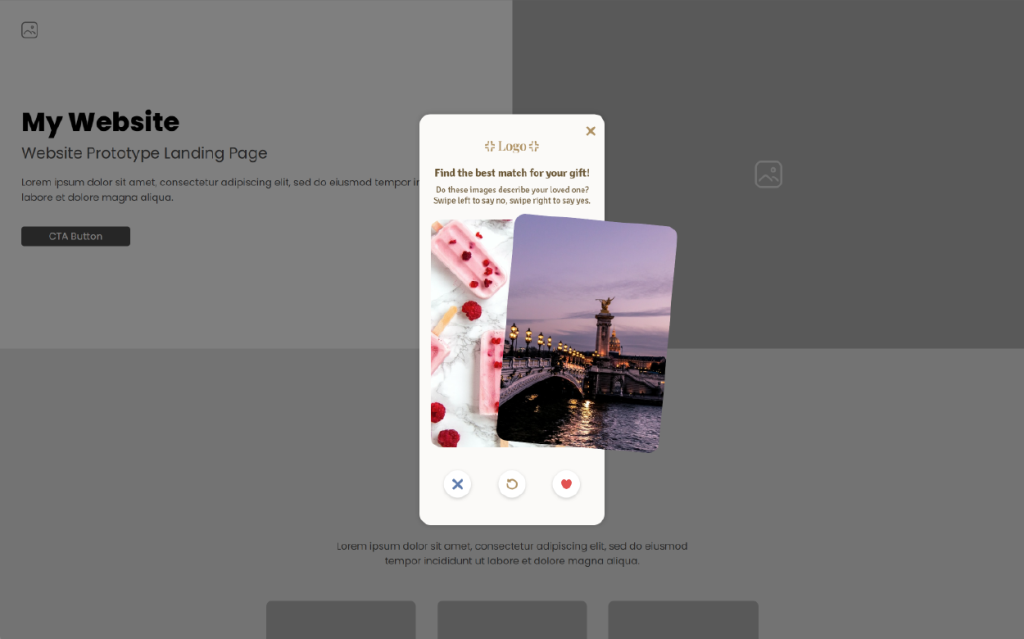
A little interaction can make a promotion feel much more memorable than another discount banner.
Quizzes That Do More Than Entertain
Interactive Quizzes combine engagement with personalization. They help customers discover products, identify preferences, and receive recommendations tailored to their needs.
Examples include:
Collect customer preferences while rewarding participation.
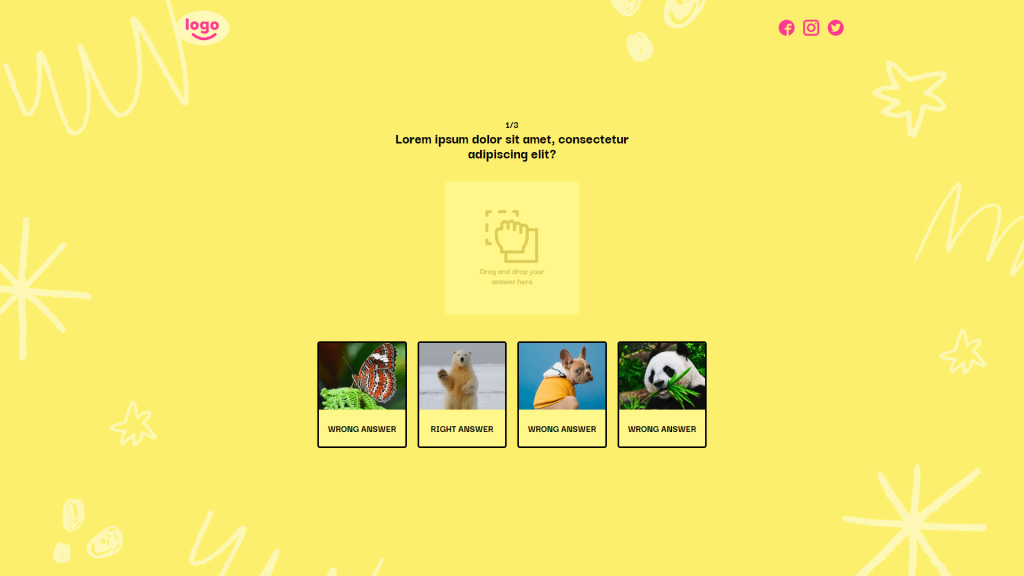
Add an element of surprise to product discovery and recommendations.
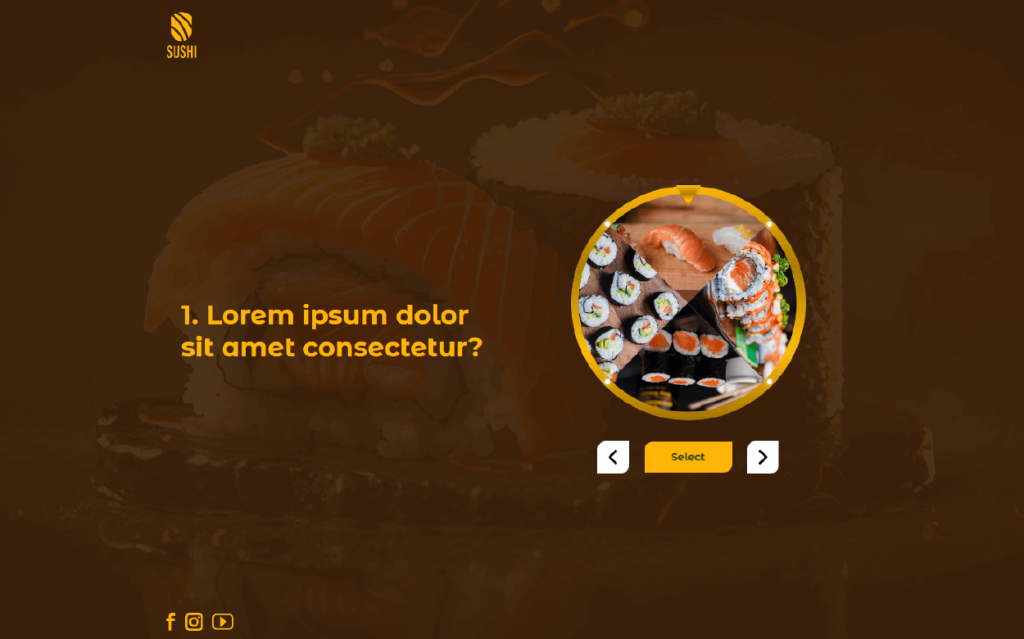
Gather customer insights through quick and mobile-friendly interactions.
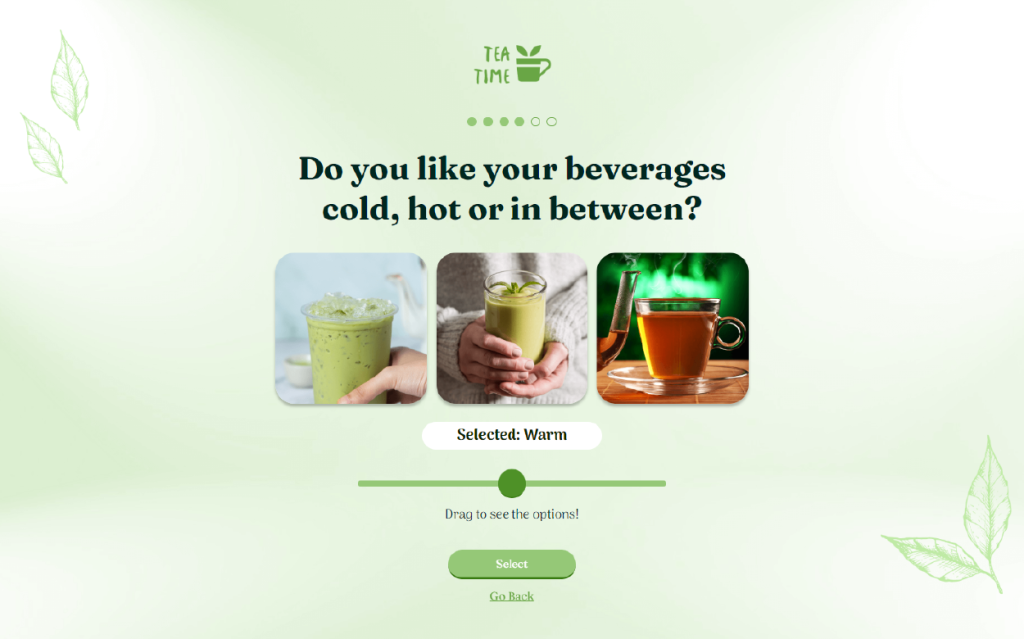
Let’s be honest. Most people will happily spend a few minutes finding out what type of summer traveler they are.
The popularity of personality quizzes didn’t happen by accident. People enjoy learning something about themselves, even if it simply confirms they pack for a weekend trip like they’re preparing for a month abroad.
AI-powered quizzes are also making it easier for brands to create personalized experiences without adding more complexity to campaign planning.
Help Summer Shoppers Find the Right Fit
Summer campaigns often showcase dozens of products, bundles, destinations, activities, or recommendations.
That’s great until customers are faced with so many options that they don’t know where to begin.
Choice is useful.
Too much choice can feel like homework.
Guided Selling experiences help narrow down options and make decisions easier.
Examples include:
Help shoppers discover eyewear suited to their style and needs.
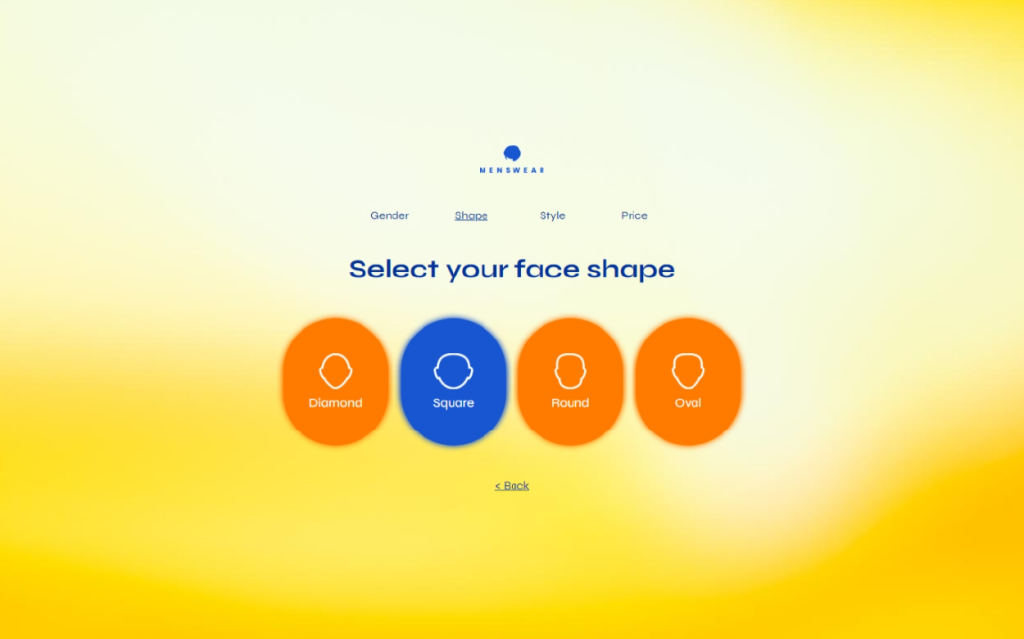
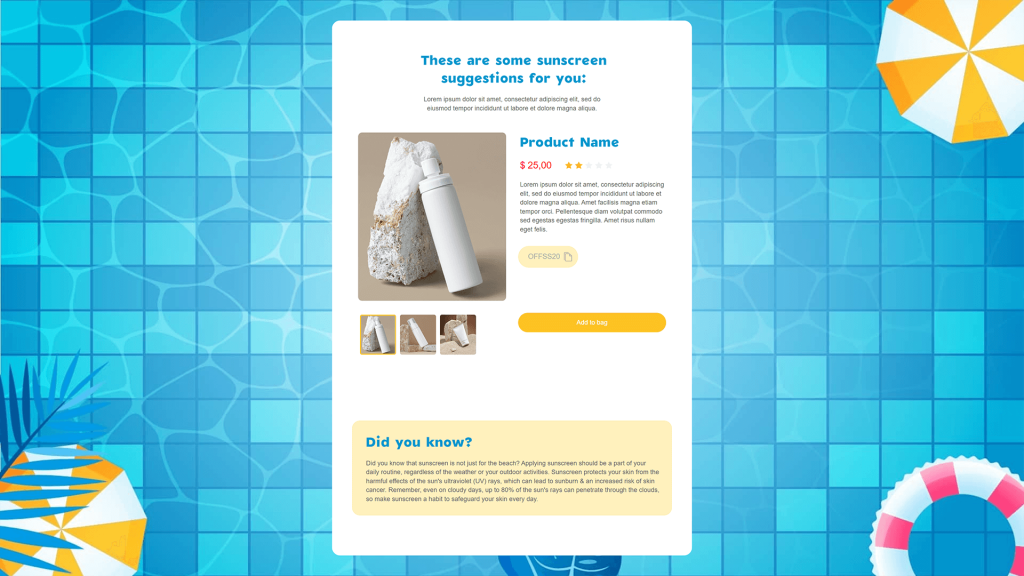
Simplify product selection with personalized skincare recommendations.
Turn customer preferences into personalized summer recommendations.
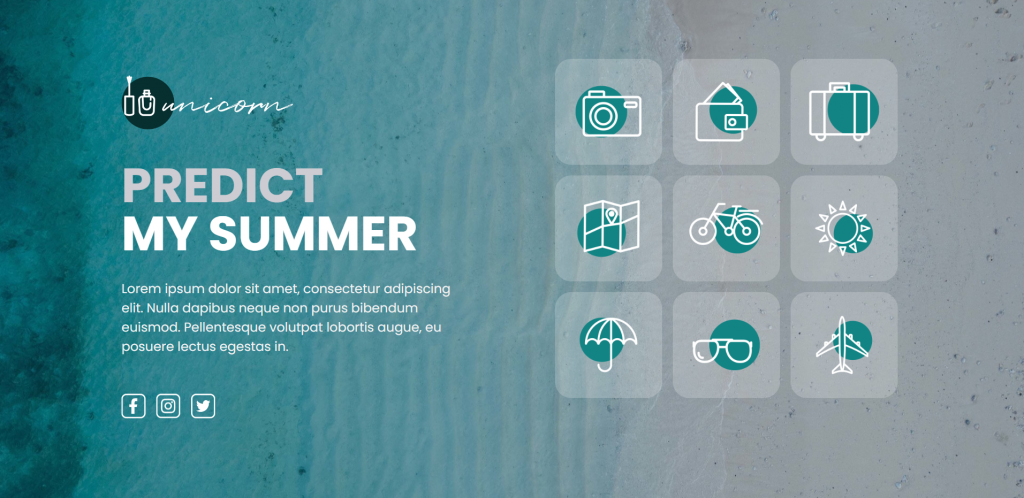
Instead of scrolling through endless product grids, customers receive recommendations tailored to their preferences and needs.
That makes decision-making faster, easier, and far less overwhelming.
These experiences can support paid advertising campaigns, email marketing, social media promotions, product launches, lead generation campaigns, and broader integrated marketing campaign strategies.
A Few Summer Marketing Lessons Worth Packing
If you look at summer campaigns that perform well, they usually aren’t doing anything magical.
They’re simply making life easier for customers.
That might mean helping someone find the right product faster. It might mean simplifying a complex decision. It might mean making recommendations feel more relevant.
Small moments of guidance often have a bigger impact than another promotional message.
Many marketers are focusing on:
- Better product discovery
- More personalized experiences
- Higher-quality engagement
- Faster decision-making
- Meaningful customer insights
- Clearer paths to conversion
Most marketers already know traffic matters.
So the more interesting question is what happens once someone arrives. Do they:
- Explore?
- Interact?
- Find something useful?
- Feel more confident about making a decision?
The brands that consistently perform well tend to focus on those questions.
Sunshine, Engagement, and Better Summer Marketing Results
Summer gives marketers plenty to work with.
People are shopping, traveling, planning activities, attending events, and generally spending more time exploring what’s out there.
That’s where great customer experiences can make all the difference.
The brands creating stronger results are doing more than promoting products. They’re helping customers discover, explore, compare, and decide.
AI is helping marketers personalize experiences and execute campaigns more efficiently. Interactive Experiences are helping transform that personalization into meaningful engagement. Together, they help create customer journeys that feel more relevant, interactive, and conversion-focused.
Dot.vu helps marketers build these types of Interactive Experiences faster with no-code tools, AI-powered creation capabilities, over 300 templates, and more than 20 Interactive Experience solutions designed to drive engagement and conversions.
There’s also a 14-day free trial if you’d like to try a few ideas before summer disappears faster than a popsicle in the sun.