TL;DR (Quick Summary)
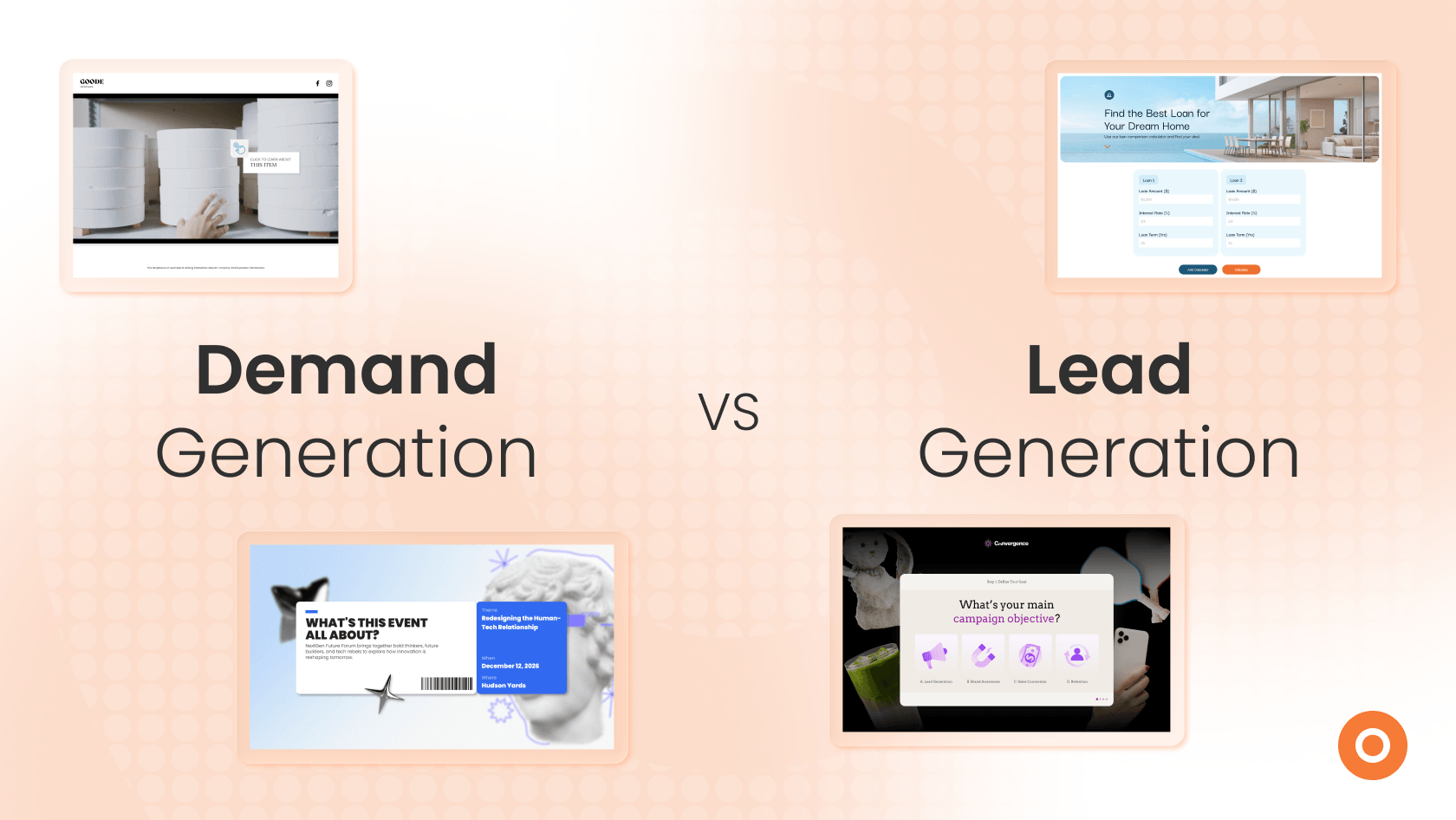
Demand generation builds awareness and interest, while lead generation turns that interest into qualified prospects. When comparing demand generation vs lead generation, the key is understanding the different roles they play and how they work together. In this blog, we’ll explore the differences through real marketing examples and show how businesses can use both strategies to drive better results.
Demand Generation vs Lead Generation: What’s the Difference?
Demand generation and lead generation often go hand in hand, but they play very different roles in helping businesses grow.
It’s easy to see why they’re often confused. A blog post might introduce someone to your brand while encouraging them to subscribe to your newsletter. A webinar can educate attendees while collecting registrations. The lines between the two can easily blur.
The difference comes down to their purpose.
Demand generation focuses on building awareness, educating potential customers, and creating interest in your products or services.
Lead generation focuses on turning that interest into measurable opportunities by encouraging prospects to take the next step.
Understanding the difference helps you choose the right marketing activities, measure success more effectively, and create a smoother journey from discovery to conversion.
- TL;DR (Quick Summary)
- Demand Generation vs Lead Generation: What’s the Difference?
- Demand Generation vs Lead Generation at a Glance
- Real Marketing Examples: Demand Generation vs Lead Generation in Action
- Why Your Marketing Strategy Needs Both Demand Generation and Lead Generation
- How Interactive Content Supports Demand Generation and Lead Generation
- How to Balance Demand Generation and Lead Generation
- Bringing Demand Generation and Lead Generation Together
Demand Generation vs Lead Generation at a Glance
The easiest way to understand the difference is to compare how each strategy supports the buyer journey.
While demand generation builds awareness and interest, lead generation helps convert that interest into qualified opportunities.
The table below highlights the key differences between the two.
| Demand Generation | Lead Generation | |
|---|---|---|
| Primary objective | Build awareness and interest | Capture and qualify interested prospects |
| Buyer journey stage | Awareness and consideration | Consideration and decision |
| Buyer intent | Learn, explore, and build confidence | Evaluate options and take action |
| Common activities | Blogs, webinars, videos, social media, and SEO | Demos, free trials, consultations, and gated resources |
| Content approach | Primarily ungated educational content | Gated content, forms, and personalized experiences |
| Typical KPIs | Reach, engagement, website traffic, and brand awareness | Leads, conversion rate, MQLs, and SQLs |
| Primary focus | Educating and nurturing potential customers | Converting interest into measurable opportunities |
Although the differences are clear on paper, the two strategies work best together in practice.
Demand generation creates interest, while lead generation gives that interest somewhere to go.
Rather than choosing one over the other, the goal is to create a seamless journey that moves buyers from discovery to conversion.
Related:
Best Lead Generation Strategies for Every Stage of the Buyer Journey
Real Marketing Examples: Demand Generation vs Lead Generation in Action
The difference between demand generation and lead generation becomes much easier to understand when you see how they work together.
Regardless of the industry, the journey is often the same. Businesses first create interest, then give interested prospects a way to take the next step.
Buyers rarely go from “I’ve never heard of this company” to “Take my details” in a single click, and honestly, who can blame them?
Example 1: Launching a New Product
Before a new product launches, businesses often publish blog posts, share thought leadership content, and host webinars to educate potential customers. As interest grows, prospects may start a free trial, request a demo, or download a buyer’s guide.
Demand generation creates awareness. Lead generation captures buyers who are ready to learn more.
Example 2: Promoting an Event
Marketing campaigns build excitement through speaker announcements, industry insights, and teaser content before registrations open. Once potential attendees see the value, they sign up for the event or book a meeting with your team.
Demand generation drives interest. Lead generation turns registrations into measurable opportunities.
Example 3: Selling a High-Consideration Solution
When evaluating a complex purchase, buyers often spend time reading comparison guides, customer stories, and educational resources before contacting a business. Only after building confidence do they request a consultation, ask for a quote, or book a product demo.
Demand generation builds trust. Lead generation turns that trust into sales conversations.
Why Your Marketing Strategy Needs Both Demand Generation and Lead Generation
Today’s buyers expect to do their own research before contacting a business. In fact, 61% of B2B buyers prefer a rep-free buying experience, meaning they’re more likely to explore content, compare solutions, and build confidence on their own.
This shift means marketing isn’t just about generating leads. It’s also about helping potential customers make informed decisions long before they’re ready to convert.
Businesses that invest in both demand generation and lead generation are better positioned to engage buyers throughout the entire journey, rather than only at the point of conversion.
The result is a stronger marketing funnel strategy, better-qualified leads, and more meaningful customer relationships.
How Interactive Content Supports Demand Generation and Lead Generation
Interactive Content helps bridge the gap between demand generation and lead generation by giving buyers something they can actively engage with instead of simply reading or watching.
Instead of passively consuming content, buyers become active participants in the experience.
Interactive Experiences for Demand Generation
At the awareness stage, the goal is to educate, spark curiosity, and encourage further exploration. Interactive Experiences help transform passive content into engaging experiences that capture attention and keep buyers interested.
Examples include:
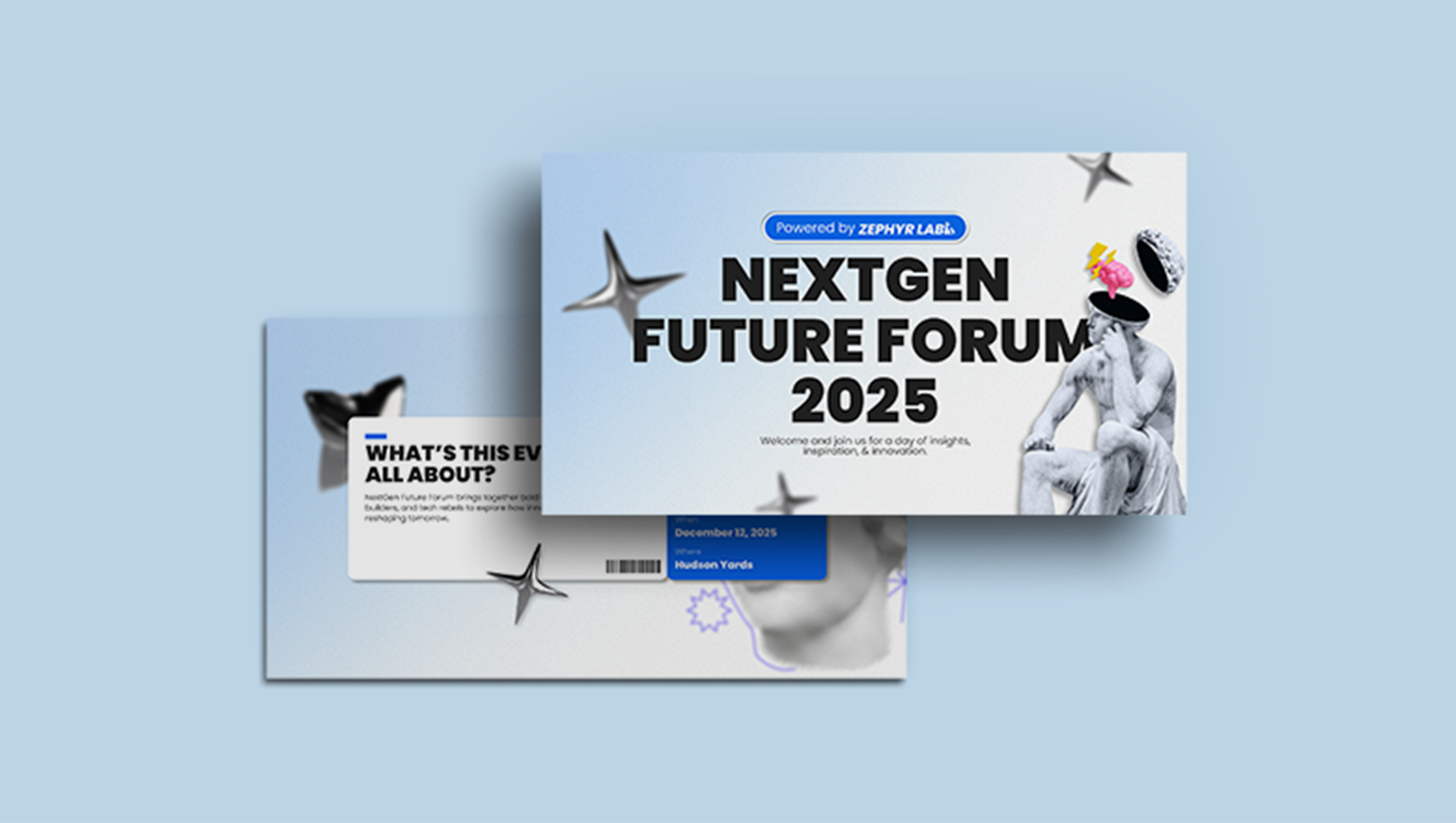
- Interactive Presentations
Self-paced, clickable presentations that educate buyers while building awareness and interest.
- Interactive Videos
Videos with clickable hotspots and branching paths that encourage deeper exploration and engagement.

- Marketing Games
Gamified experiences that capture attention, increase participation, and keep your brand top of mind.
Client example:
Barry Callebaut used an Interactive Scratch & Win Marketing Game at a trade show to attract visitors and encourage engagement, generating more than 1,000 interactions. By creating an experience people wanted to participate in, the campaign successfully built interest while driving traffic to the brand.
See the full case study here:
Barry Callebaut: Scratch & Win Game
Interactive Experiences for Lead Generation
As buyers move closer to making a decision, Interactive Experiences can help collect valuable insights while encouraging prospects to take the next step.
Personalization plays a big role here. In fact, 93% of marketers report that personalization improves leads or purchases, making personalized Interactive Experiences even more valuable for engaging prospective customers.
Examples include:
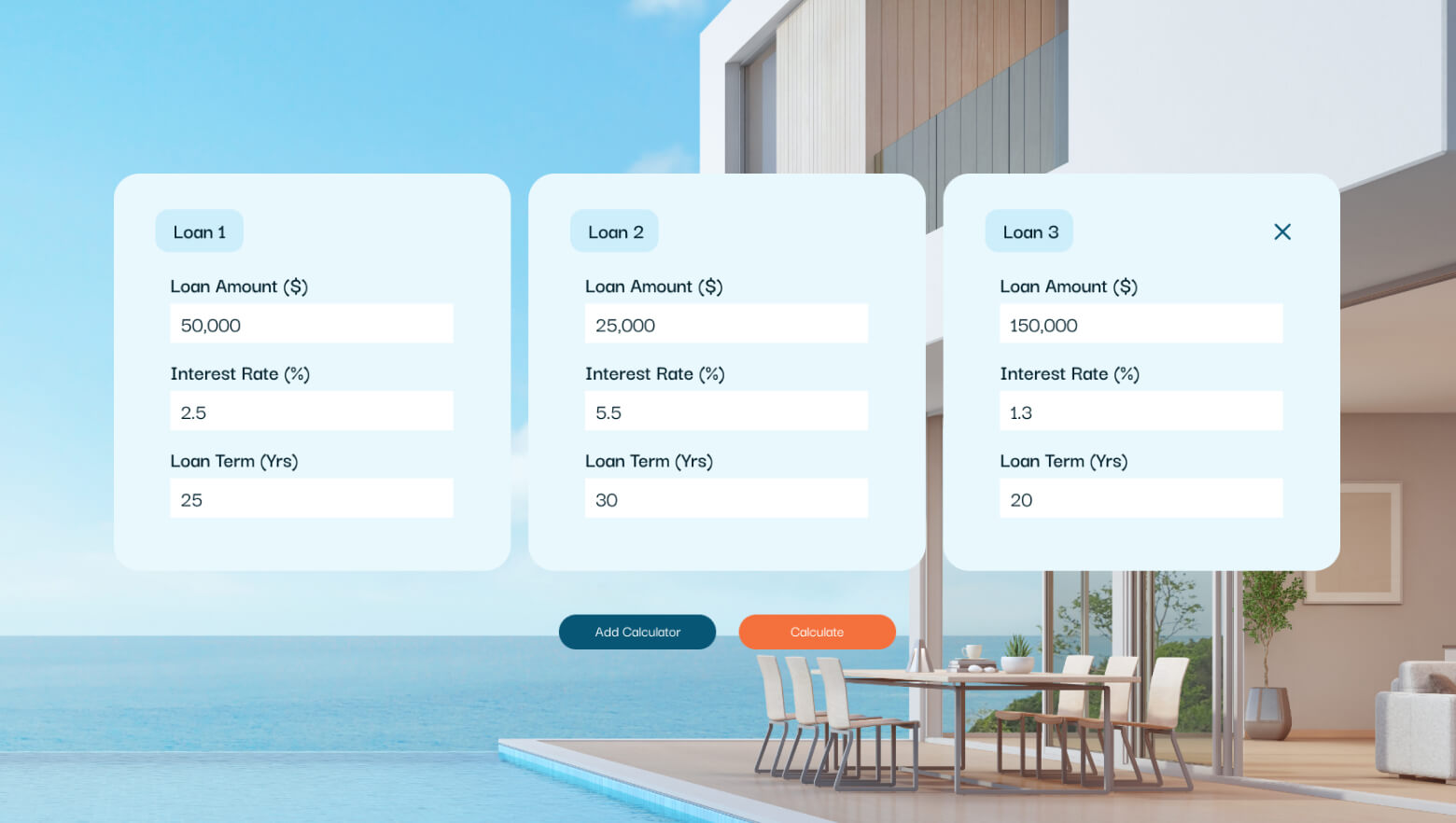
- Interactive Calculators
Personalized tools that demonstrate value through tailored results, encouraging buyers to take the next step.
- Product Recommenders
Guided experiences that match buyers with the right products while capturing valuable preference data.
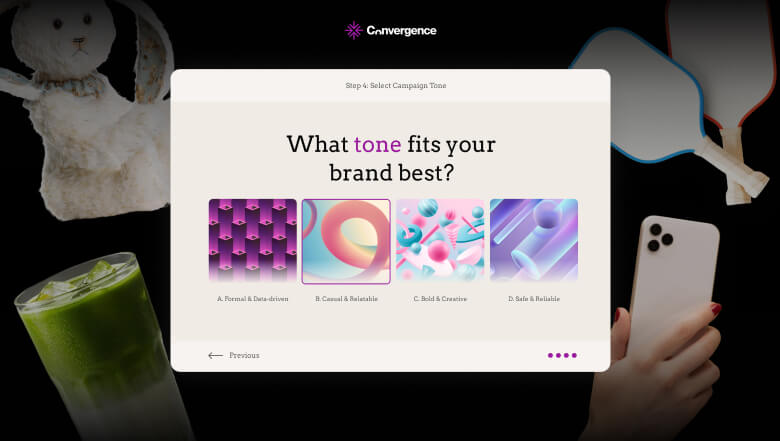
- Interactive Quizzes
Personalized or AI-powered quizzes that deliver tailored recommendations while helping qualify leads.
Client example:
Dechra Canada used a Personality Quiz to engage visitors at an industry event, achieving a 90% completion rate, increasing booth engagement fivefold, and generating newsletter sign-ups alongside qualified leads.
See the full case study here:
Dechra Canada: Interactive Personality Quiz
Whether you’re building awareness or capturing qualified prospects, Interactive Content helps create more engaging experiences that support every stage of the buyer journey.
How to Balance Demand Generation and Lead Generation
There’s no one-size-fits-all formula for balancing demand generation and lead generation.
The challenge isn’t deciding which one matters more. It’s knowing when to lean into each.
The right approach depends on your goals, audience, and where buyers are in their journey.
If you’re launching a new product or entering a new market, it’s worth investing more in demand generation to build awareness and educate potential customers.
If your brand is already established, you can place greater emphasis on lead generation to convert existing interest into qualified opportunities.
The key is not to treat them as separate campaigns.
Demand generation should create enough value to spark interest, while lead generation should make it easy for interested prospects to take the next step.
When both strategies work together, you create a smoother journey that benefits both buyers and your business.
Bringing Demand Generation and Lead Generation Together
The question isn’t whether you should invest in demand generation or lead generation. It’s how effectively you connect the two.
Generating demand without a way to capture interest means missed opportunities. Focusing only on lead generation without first building awareness often results in lower-quality leads.
The strongest marketing strategies combine both, creating a journey that helps buyers move confidently from first impression to final decision.
Rather than treating demand generation and lead generation as separate initiatives, use Interactive Content to connect them through experiences that inform, engage, and gradually guide buyers towards conversion.
With Dot.vu’s 20+ Interactive Solutions and 350+ customizable templates, you can create Interactive Experiences that support every stage of the buyer journey, from building awareness to generating qualified leads.