TL;DR (Quick Summary)
Lead generation is the process of attracting potential customers and encouraging them to take an interest in your business. This guide explains what makes an effective lead generation strategy, why lead quality matters more than volume, and which strategies and Interactive Experiences work best at each stage of the buyer journey.
Lead Generation Starts Long Before Someone Becomes a Lead
Every business wants more leads.
The challenge is that generating leads has become easier than ever. Generating qualified leads hasn’t.
With more channels, automation, AI, and lead generation tools available, businesses have more ways than ever to reach potential customers.
But having more reach does not automatically mean attracting better leads.
The shift is already changing how marketers define success. Lead quality and marketing qualified leads are now among the most important metric for 40% of marketers, while nearly 70% say buyers are reaching out later in the buying process after conducting AI-assisted research.
And honestly, it makes sense. Before filling out a form or booking a demo, most of us would search for answers, compare a few options, read reviews, and do our homework first.
Today’s buyers are no different.
That means lead generation strategies no longer starts when someone shares their contact information. It begins much earlier, with every search, click, comparison, and interaction that brings a buyer closer to a decision.
- TL;DR (Quick Summary)
- Lead Generation Starts Long Before Someone Becomes a Lead
- What Is Lead Generation?
- What Makes a Successful Lead Generation Strategy?
- Lead Generation Strategies for Every Stage of the Buyer’s Journey
- Optimizing Your Lead Generation Strategy
- Lead Generation Is a Journey, Not a Jackpot
What Is Lead Generation?
Every business needs a way to turn strangers into potential customers. That is what lead generation is.
A lead could be someone who downloads a guide, subscribes to a newsletter, completes an Assessment, requests a demo, or starts a free trial. Each action signals some level of interest, but not necessarily the same level of intent.
Not every website visitor is a lead, and not every lead is ready to buy. If marketing worked that way, we’d all be celebrating.
One person may read a blog while researching a problem they will address next year. Another may calculate their potential ROI and request a demo during the same visit. Both are interested, but they need very different follow-ups.
Lead qualification helps businesses understand what buyers need next. By looking at a buyer’s needs, behavior, and intent, marketing and sales teams can provide the right support at each stage of the journey.
Related:
What Is Online Lead Generation (And How to Make It Actually Work)
What Makes a Successful Lead Generation Strategy?
Lead generation strategies need to do more than collect contact details. They should help the right buyers get closer to a decision.
Four principles matter most:
Attract the Right Audience
More traffic does not always mean more opportunities. What matters is whether the people visiting your website are likely to need what you offer. Five hundred relevant visitors can be worth far more than 5,000 people who arrived out of curiosity.
Deliver Value Before Asking for Information
People are more willing to share their details when they receive something useful in return, whether that is practical advice, a personalized recommendation, an Assessment, or an Interactive Calculator.
Respond to Buyer Intent
Someone learning about a problem needs something different from someone comparing vendors. Effective lead generation reflects those differences instead of pushing every visitor toward the same next step.
Connect Your Channels
SEO, content, email, paid media, and Interactive Experiences each do a different job. When they work together, buyers can move from discovering your business to learning more and eventually taking action without the experience feeling disjointed.
Lead Generation Strategies for Every Stage of the Buyer’s Journey
A buyer who has just discovered a problem does not need the same thing as someone comparing vendors or preparing to contact sales.
Your lead generation strategies should reflect that. Instead of sending everyone through the same funnel, give buyers the information and support that make sense for where they are.
Here is what that looks like across the buyer journey.
Stage 1: Attract the Right Audience
Before someone can become a lead, they first need to discover your brand.
At this stage, buyers are researching a problem, looking for ideas, or trying to better understand a challenge. They’re not looking for a sales pitch. They’re looking for something worth their attention.
That’s why strategies like SEO, educational content, social media, paid campaigns, webinars, and industry partnerships work well here. The goal is to attract the right audience by being genuinely helpful from the very beginning.
Best Interactive Experiences for this stage:
- Interactive Quizzes or AI-Powered Quizzes spark curiosity by helping visitors discover something about themselves, their needs, or the problem they are trying to solve.
- Interactive Infographics make complex topics easier to understand through clickable visuals and self-guided exploration.
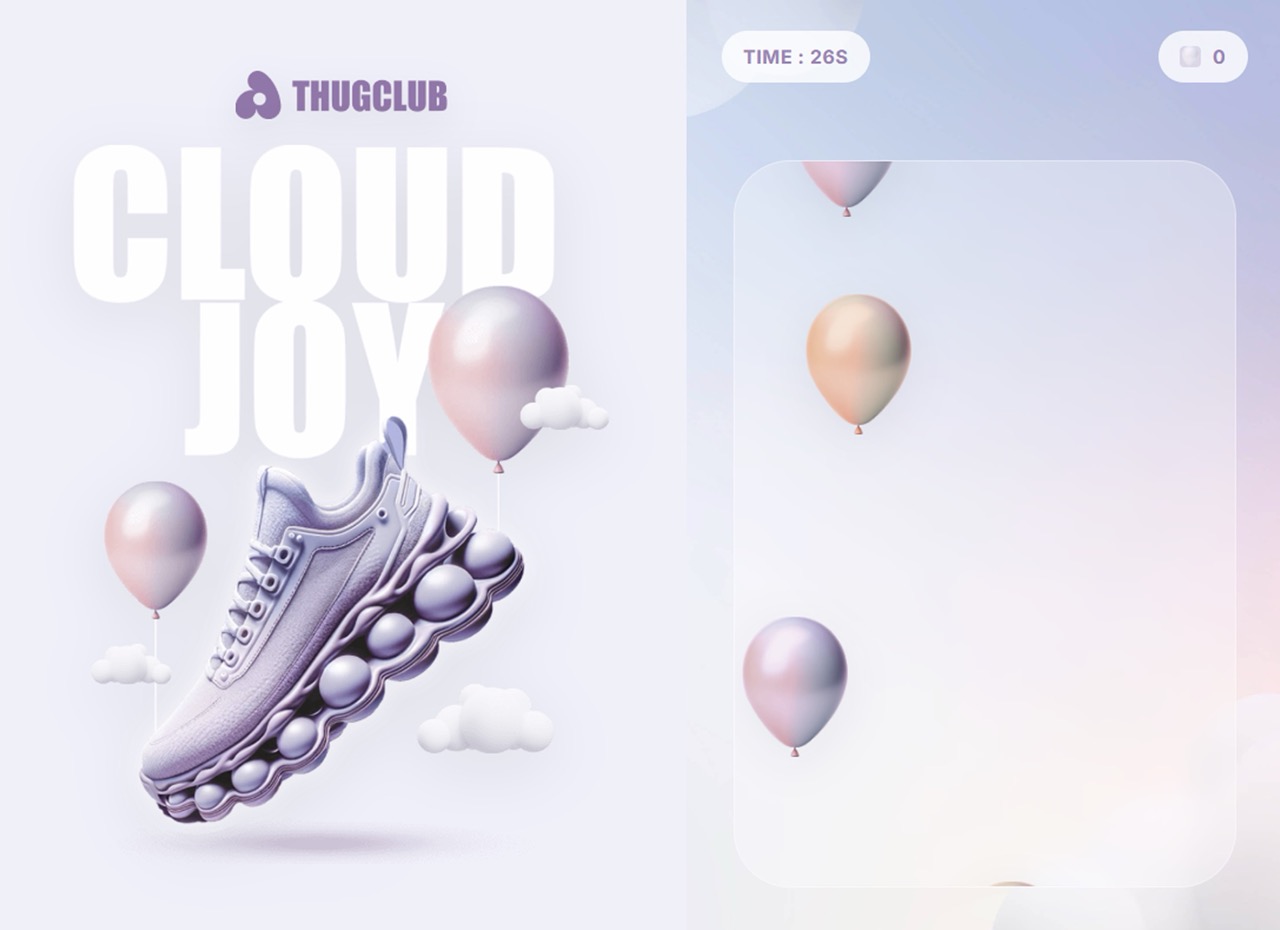
- Marketing Games give people a fun, low-pressure way to interact with your brand for the first time.
Stage 2: Engage and Educate Potential Buyers
Getting someone to your website is one thing. Giving them a reason to stay is another.
Buyers rarely want every detail at once. They want a clear answer to the question they have right now.
Best Interactive Experiences for this stage:
- Interactive Presentations organize complex information into clickable sections that buyers can explore at their own pace.
- Assessments turn learning into a two-way experience by providing feedback based on each buyer’s answers.
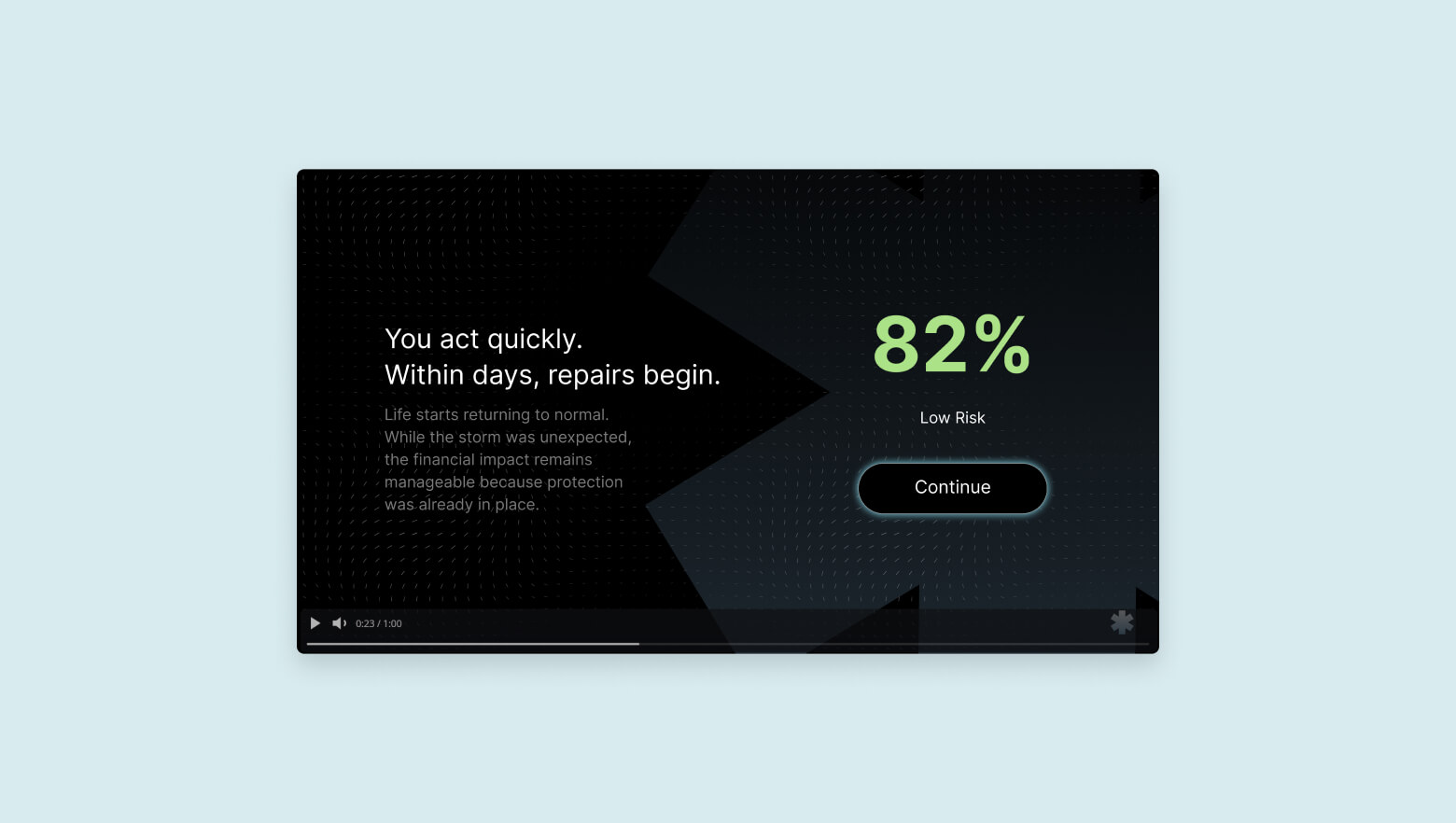
- Interactive Videos allow viewers to choose which topics or paths are most relevant to them.
Stage 3: Help Buyers Evaluate Their Options
At this point, buyers are doing the homework: comparing products, checking costs, involving colleagues, and trying to work out which option fits.
Your job is not to give them even more information. It is to make the information easier to use.
Best Interactive Experiences for this stage:
- Guided Selling asks buyers about their needs before pointing them toward the most suitable solution.
- Product Recommenders narrow down the available options based on each buyer’s preferences.
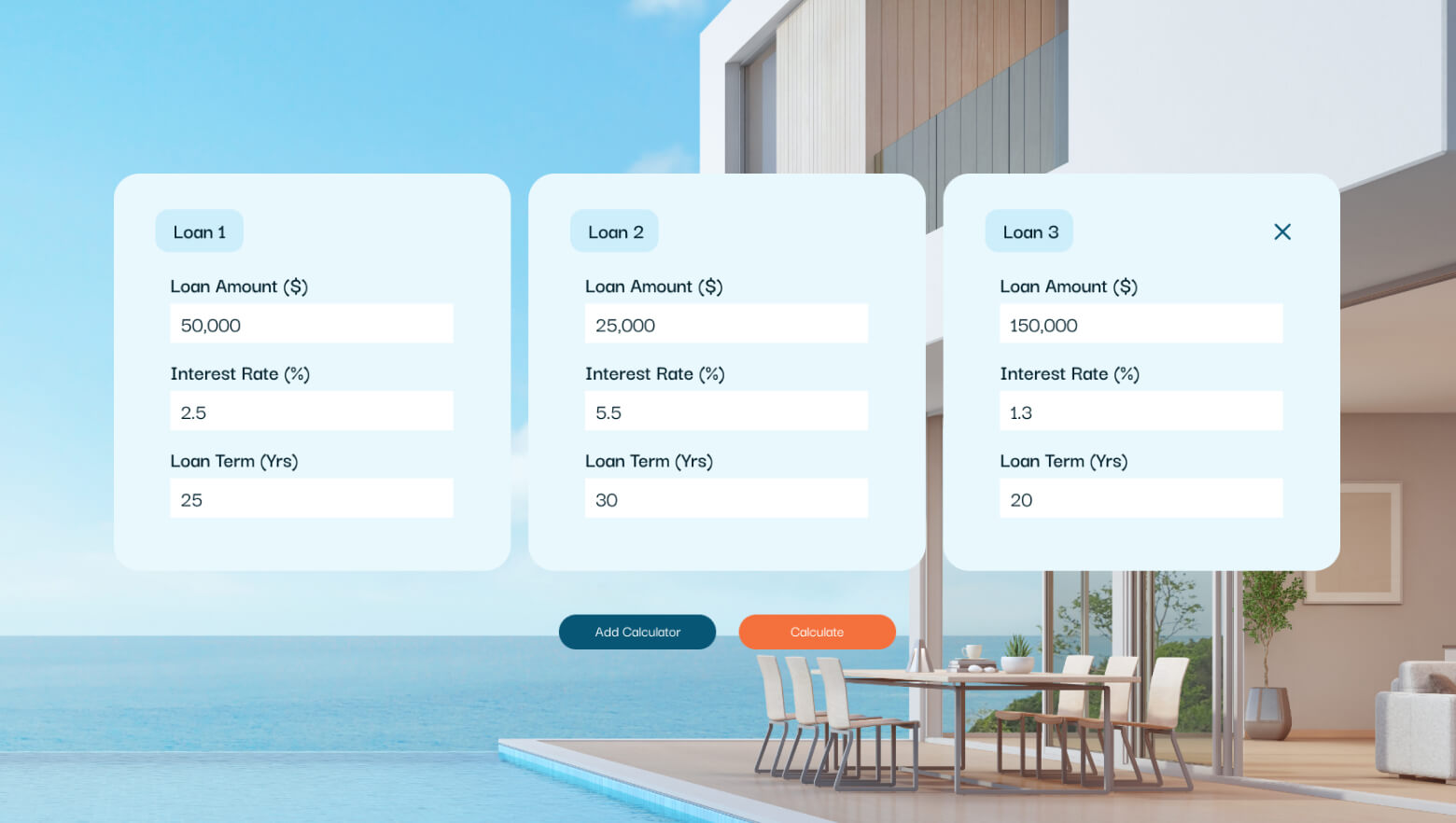
- Interactive Calculators help buyers compare costs, estimate ROI, or understand the potential business impact.
Stage 4: Capture and Qualify Leads
Buyers have already decided your business is worth their time. The goal now is not to convince them to engage. It is to make the next step feel worth taking.
This is where lead capture should feel like part of the experience rather than an interruption. Buyers share useful information, and in return, they receive a recommendation, result, or next step that is relevant to them.
Best Interactive Experiences for this stage:
- Guided Selling gathers information about a buyer’s needs while recommending a relevant solution.
- Online Surveys collect deeper insights into buyer goals and pain points before the first sales conversation.
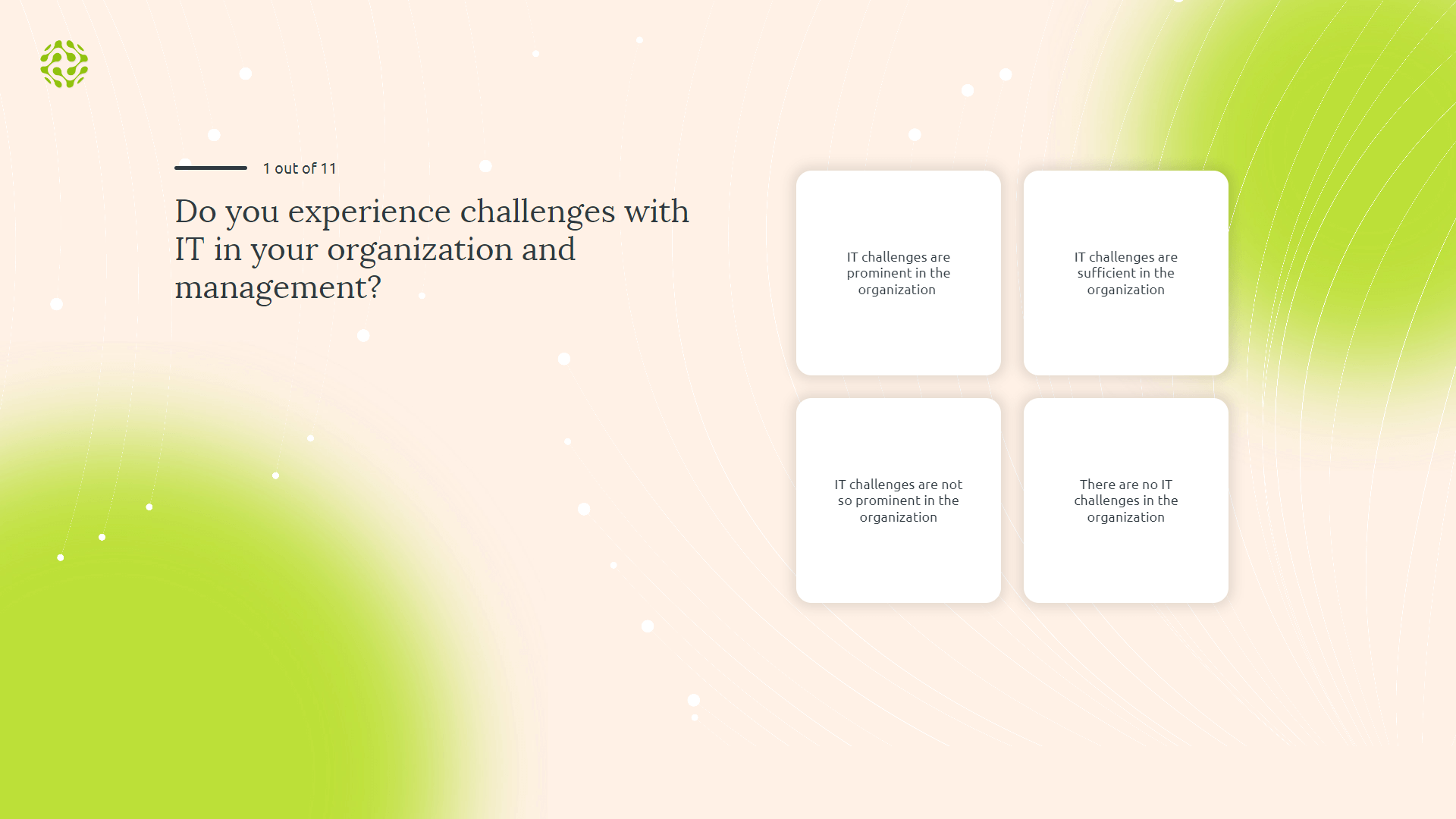
- Assessments reveal challenges, priorities, or maturity levels while providing buyers with personalized results.
Stage 5: Nurture Leads Until They’re Ready to Buy
Not every qualified lead is ready to buy immediately.
Some need more time, further research, or approval from other stakeholders. Staying useful during that period gives them a reason to return when the timing is right.
Best Interactive Experiences for this stage:
- Interactive Presentations deliver self-guided follow-up content that buyers can revisit whenever they’re ready.
- Interactive Videos let buyers explore the follow-up questions and topics most relevant to them.
- Interactive Flipbooks make product guides, reports, and customer stories more engaging to explore over time.

Optimizing Your Lead Generation Strategy
A lead generation strategy can perform well for months and then gradually stop delivering the same results. Audiences change, channels become more competitive, and small points of friction begin to matter.
Instead of immediately asking what to launch next, start with a simpler question:
“Where are buyers getting stuck?”
Measure Lead Quality, Not Just Quantity
Generating more leads is not always a sign of progress. A smaller group of qualified buyers can create more pipeline than a large database of contacts who never move forward.
Look beyond the total number of leads. Track engagement, qualification rates, conversions, and pipeline contribution to see whether your strategy is attracting genuine opportunities.
Remove Friction from Your Lead Generation Journey
If buyers are not converting, more traffic may not be the answer.
Long forms, vague messaging, and requests for information too early can all cause people to leave. Fixing those points of friction may have a greater impact than adding another campaign.
Test one change at a time, whether it is a shorter form, a clearer CTA, or a more relevant follow-up. Otherwise, you will know that something changed, but not what caused it.
Lead Generation Is a Journey, Not a Jackpot
There is no single tactic that will magically fill your pipeline overnight. If there were, every marketing team would already be using it.
Better lead generation strategies comes from making each step easier for the buyer, from finding useful information to comparing options and deciding what to do next.
Dot.vu’s 20+ Interactive Solutions help marketers create more useful experiences across the buyer journey, turning passive visits into meaningful interactions that reveal what buyers need.