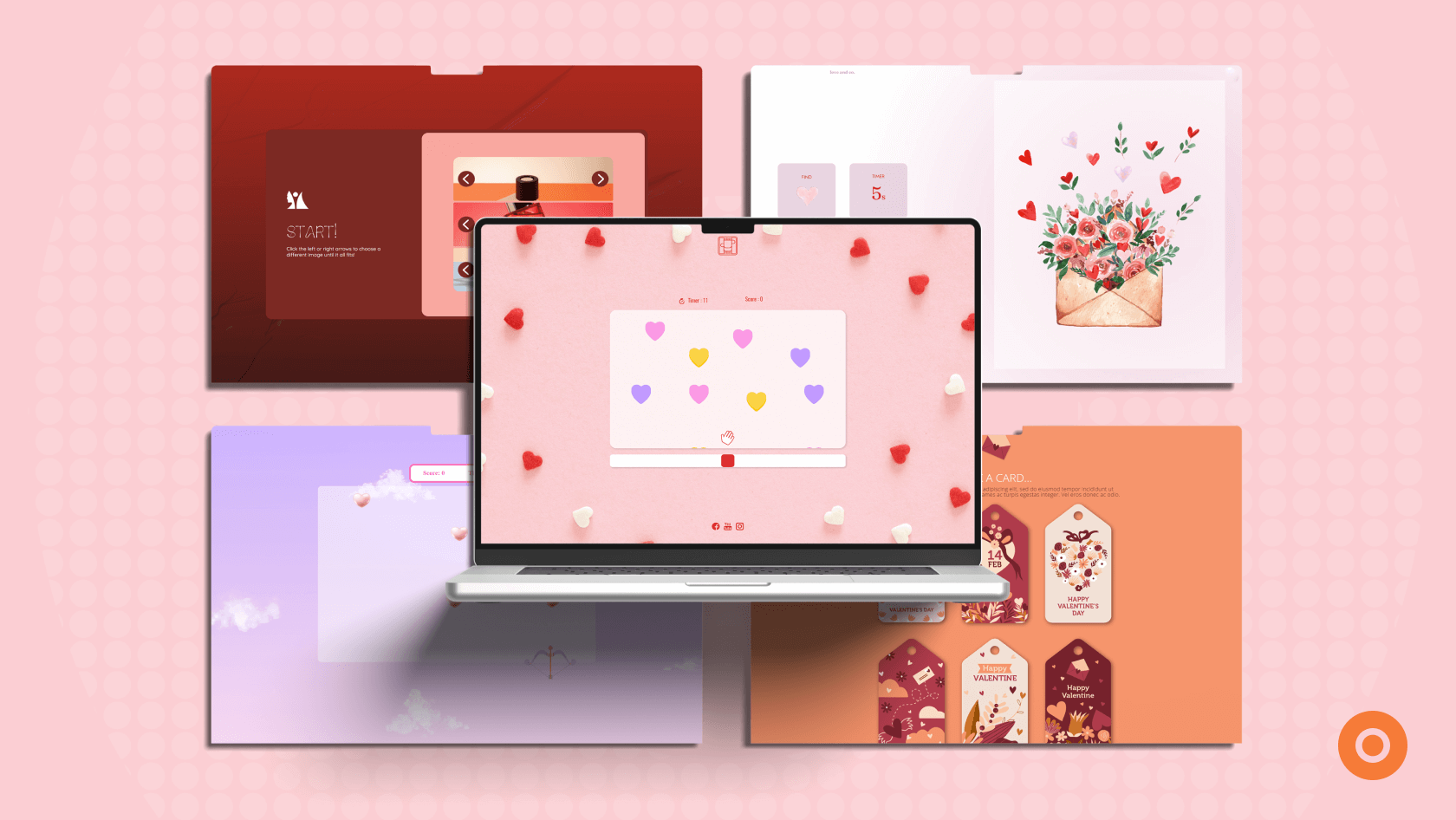
TL;DR – Quick Summary
Valentine’s Day marketing doesn’t have to rely on predictable visuals or last-minute discounts. This guide shares 46 Valentine’s Day campaign ideas built around Interactive Experiences, engaging content, and smarter promotions. You’ll find Valentine’s Day sale ideas, Valentine’s Day content ideas, interactive marketing formats, and Valentine’s gift ideas designed to help marketers drive engagement, conversions, and meaningful participation.
Valentine’s Day Marketing Has a Familiar Problem
Valentine’s Day shows up every year, and so do the same campaigns. By early February, audiences have already seen countless heart-themed emails, generic gift guides, and identical “limited-time” offers. The issue isn’t that Valentine’s Day marketing doesn’t work. It’s that most of it blends together. People aren’t small-talking this holiday — consumers were expected to spend a record $27.5 billion on Valentine’s Day in 2025, with the average shopper planning to spend nearly $189.
What tends to perform better are campaigns that feel useful, entertaining, or personal. Interactive Experiences, guided journeys, and well-timed promotions give people a reason to stop scrolling and engage. That’s what this list focuses on: campaign ideas that help brands stand out while still supporting clear marketing goals.
Table of content:
- TL;DR – Quick Summary
- Valentine’s Day Marketing Has a Familiar Problem
- How to Choose the Right Valentine’s Day Campaign for Your Brand
- Interactive Valentine’s Day Campaign Ideas
- Valentine’s Day Sale Campaign Ideas
- Valentine’s Day Content Campaign Ideas
- Anti-Valentine’s & Single-Friendly Campaign Ideas
- Valentine’s Day Gift Campaign Ideas
- Wrapping Up Your Valentine’s Day Marketing Campaigns
How to Choose the Right Valentine’s Day Campaign for Your Brand
Not every Valentine’s Day campaign needs to do everything. Some are meant to drive quick sales, others to capture leads, and others to simply stay visible during a competitive season.
Before choosing a Valentine’s marketing idea, it helps to consider:
- Whether your goal is engagement, conversion, or brand awareness
- How much effort you’re asking from users
- Whether the campaign helps people decide faster or makes them think harder
Valentine’s Day is a decision-heavy holiday. Campaigns that reduce friction, add clarity, or offer a moment of interaction tend to perform better than those that rely on messaging alone.
Interactive Valentine’s Day Campaign Ideas
Interactive Valentine’s Day campaigns work well because they match how people behave during this season: motivated, slightly unsure, and very aware of the calendar. That’s not just my opinion — Interactive Experiences get people more involved. Interactive formats can generate 2–3× more engagement than static content, and 62% of users say they prefer interactive content over boring old pages.
Instead of asking people to read, compare, and decide all at once, Interactive Content breaks the process into smaller steps. Answer a question. Tap a screen. Make a choice. Each interaction moves them closer to a decision without feeling like work.
1. Valentine’s Day Quiz: “What’s Your Valentine Vibe?”
A Valentine’s Day quiz helps people figure out what kind of shopper they are before they start browsing. Are they planning something romantic, shopping under time pressure, or very intentionally buying something for themselves?
Quizzes work because they turn uncertainty into direction. By assigning users a “vibe” or category, brands can guide them toward relevant products or offers in a way that feels helpful, not pushy.
2. Valentine’s Personality Test for Gifting Styles
Valentine’s Day gift shopping has a habit of feeling more serious than it needs to be. A personality test reframes the process as something playful and low-pressure, while still doing real marketing work in the background.
By matching users to a personality style, this type of interactive Valentine’s Day campaign makes product recommendations feel thoughtful instead of transactional.
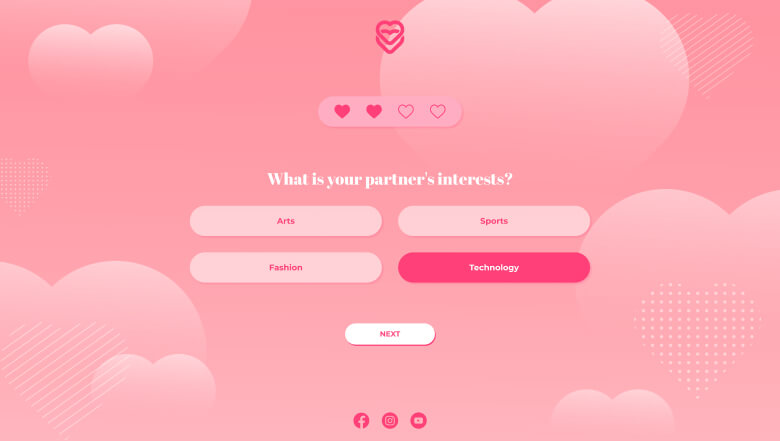
3. Guided Selling Experience for Valentine’s Gifts
This format is made for shoppers who know they need a Valentine’s Day gift but absolutely do not want to browse endlessly. A Guided Selling experience asks a few focused questions and narrows the options quickly.
During Valentine’s Day, when time is limited and patience is thinner than usual, this approach feels helpful rather than overwhelming—which is exactly what you want.
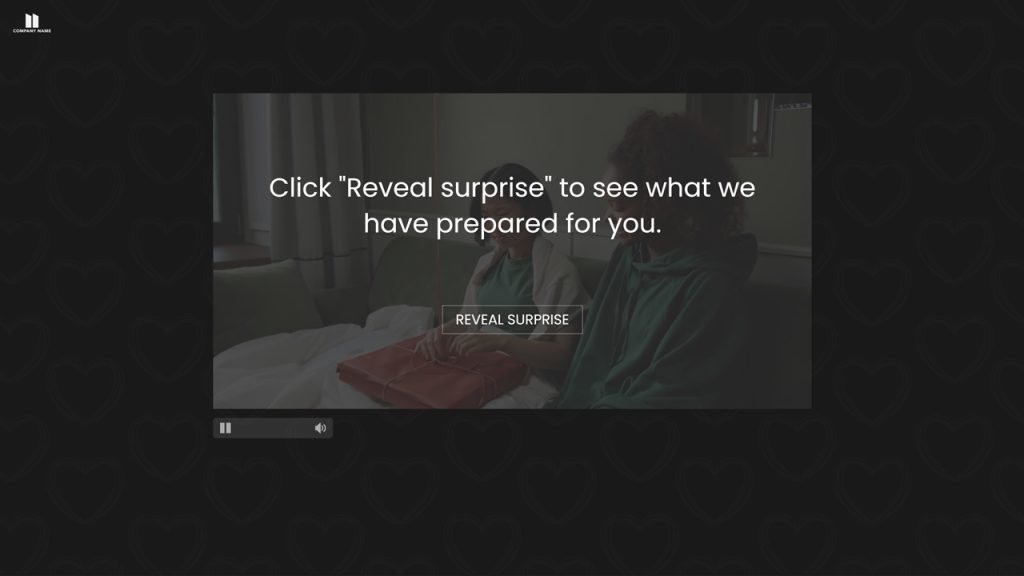
4. Interactive Video Valentine’s Day Campaign
Interactive Video works when Valentine’s Day storytelling needs to do more than set a mood. Viewers can explore different paths, interact with products inside the video, or unlock offers along the way.
The result is higher engagement without losing sight of the conversion. Romantic, but still practical. Turns out people aren’t just tolerating these types of formats — some studies show 43% of consumers prefer Interactive Videos compared to plain old video formats.
5. Marketing Game to Unlock Valentine’s Discounts
Everyone expects a Valentine’s Day discount. Fewer people expect to work for it—even just a little.
A simple Marketing Game adds anticipation before the reward, which makes the discount feel more memorable than yet another percentage slapped on a banner. The interaction does half the heavy lifting.

6. Valentine’s Day Polls and Surveys
Polls and surveys are quick, low-effort, and surprisingly effective. Asking users about Valentine’s Day plans or preferences gives them a reason to engage without committing to anything.
For marketers, these campaigns quietly deliver useful insights while pretending to be casual. A win on both sides.

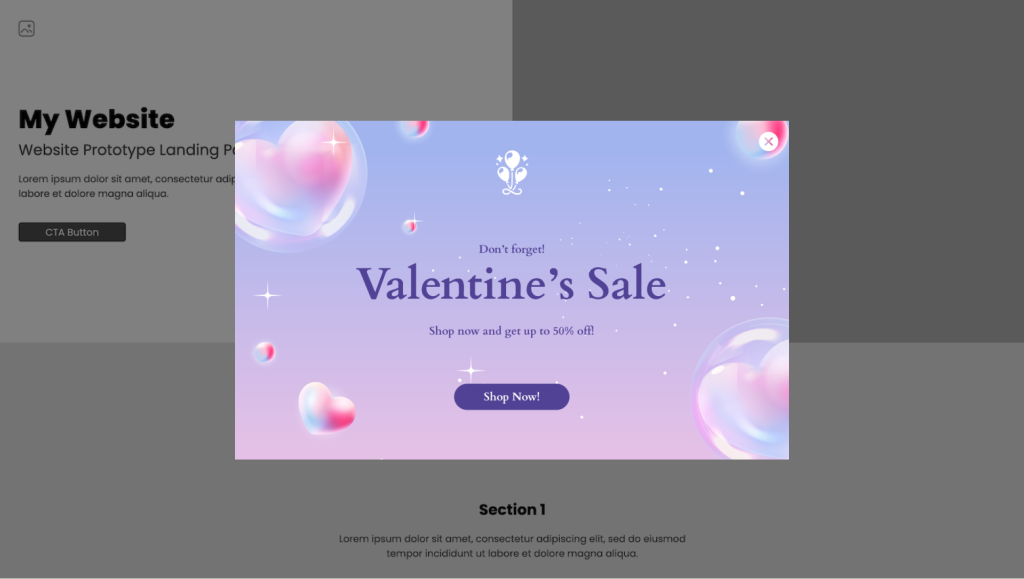
7. Interactive Valentine’s Day Popups
Interactive popups tend to perform better than static ones for a simple reason: they offer something to do instead of something to dismiss.
You can make it a quiz, a game, or even a gift recommendation, because an interactive Valentine’s Day popup feels more helpful and less like an interruption.
8. Swipe and Win Lucky Draw
Inspired by dating apps, swipe and win matching is fast, familiar, and very on-theme for Valentine’s Day marketing. Users react instinctively instead of overthinking every option.
The real value here is speed. People move through products quickly, which makes decision-making feel effortless. And they get to be part of a lucky draw in the end!
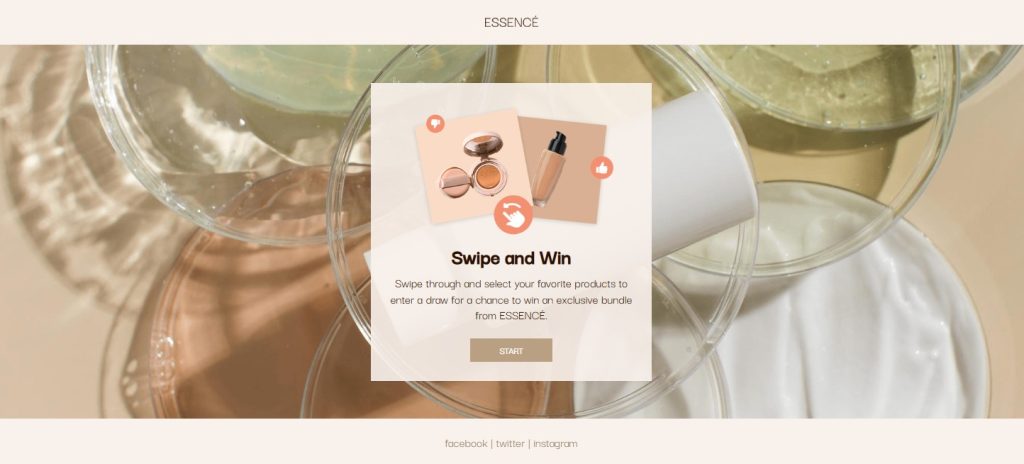
9. Swipe-Style Product Picker Popup
Not every shopper wants to answer questions. Some people just want to react. A swipe-style product picker taps into instinctive decision-making by letting users quickly say yes or no to products based on what catches their eye.
This format works especially well for Valentine’s Day because it’s fast, familiar, and low-effort. As a Valentine’s Day popup, it also feels playful rather than interruptive—which is a rare win for any popup.
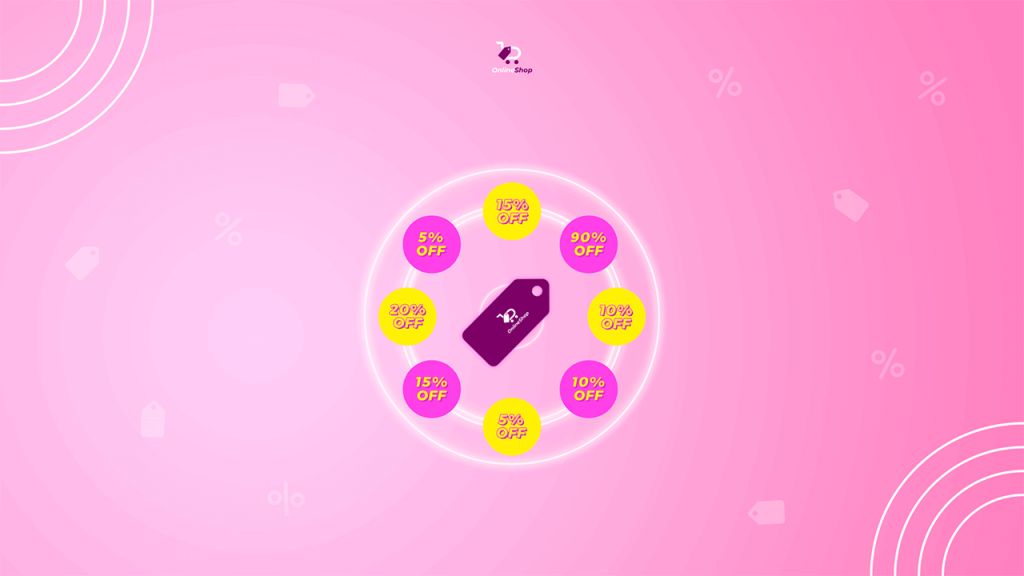
10. Spin-the-Wheel Valentine’s Giveaway
A spin-the-wheel campaign adds a small element of chance to Valentine’s Day promotions. Even when the prize is predictable, the interaction itself keeps users engaged longer than a static offer ever could.
Sometimes the spin is the point.
11. Interactive Valentine’s Day Landing Page
Instead of sending traffic to a static page, an interactive landing page gives visitors something to explore. Quizzes, videos, polls, and promotions can live in one place, making the campaign easier to navigate and promote.
12. Social Interactive Content Campaign
Social Interactive Content formats such as polls, tap-to-vote stories, comment prompts—help Valentine’s Day content stand out in crowded feeds. Participation naturally boosts visibility without relying on heavy promotion.
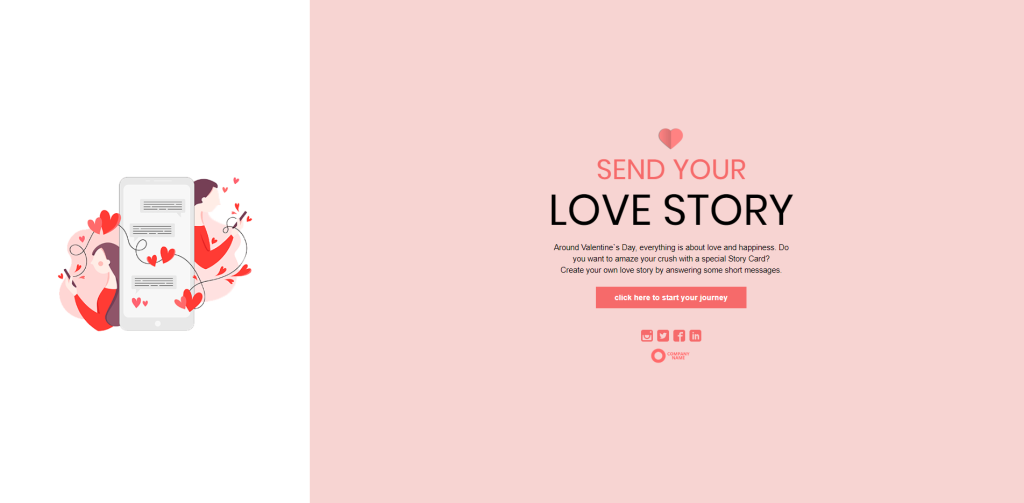
13. Choose-Your-Ending Valentine’s Story
Letting users influence how a story unfolds adds a sense of agency. It’s a strong option for brands that want to lean into storytelling without turning the campaign into passive content.
14. Gamified Discount Unlock Campaign
Instead of revealing an offer immediately, this campaign asks users to complete small actions to unlock it. The progression makes the reward feel earned and keeps engagement high.
Valentine’s Day Sale Campaign Ideas
A Valentine’s Day sale doesn’t have to rely on bigger discounts to get attention. During this season, shoppers are often more sensitive to timing, relevance, and ease than price alone. The strongest Valentine’s Day sale campaigns focus on reducing decision fatigue, creating urgency without panic, and giving people a clear reason to act now instead of “later tonight.”
15. “Buy Yourself Flowers” Valentine’s Day Sale
This campaign quietly acknowledges a truth most brands already benefit from: people buy themselves Valentine’s Day gifts all the time.
By framing the sale around self-gifting, you remove pressure and expectations. No romance required. Just a solid reason to treat yourself, which feels refreshingly honest during a very performative holiday.
16. Mystery Valentine’s Discount Campaign
Mystery discounts work because curiosity is hard to ignore, especially when everything else feels predictable. Instead of showing the discount upfront, users interact first and reveal their reward.
That moment of anticipation does more for engagement than the discount size itself.
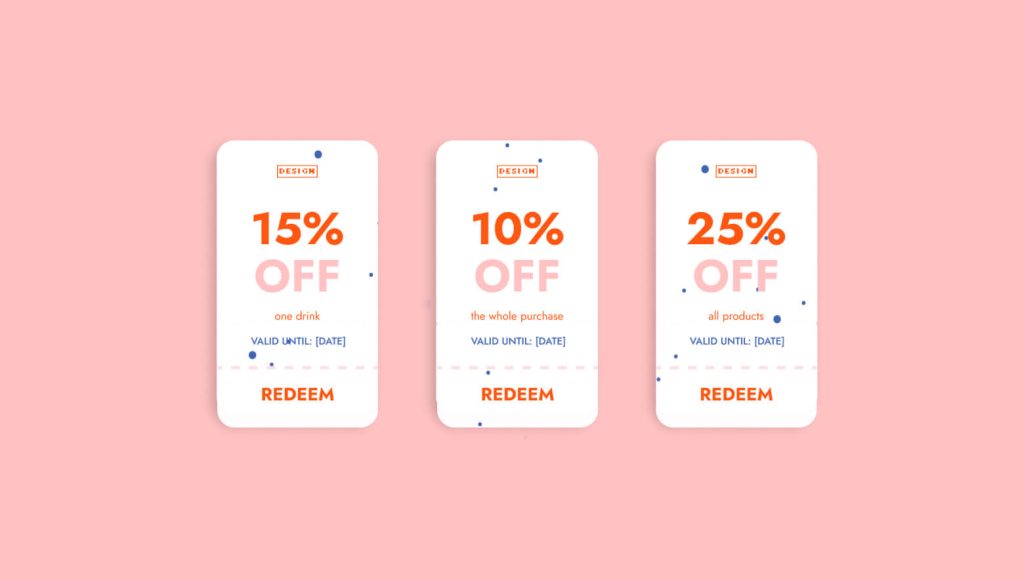
17. His, Hers, and Theirs Bundles
Bundles are for shoppers who want guidance without customization. Clear groupings reduce guesswork and speed up decisions, which is exactly what Valentine’s Day shoppers are looking for.
This format works especially well for people who want a safe, thoughtful option without spending too much time thinking about it.
18. Spend More, Get a Valentine’s Gift Campaign
A gift-with-purchase often feels more personal than a bigger discount. During Valentine’s Day, that added value feels intentional instead of transactional.
Customers feel rewarded for spending more, not pressured into chasing percentages.
19. Limited-Time Valentine’s Product Drop
A limited-time product drop creates urgency without relying on discounts at all. Scarcity encourages faster decisions, especially when availability is clearly communicated.
This works best for seasonal, exclusive, or curated products that feel special by design.
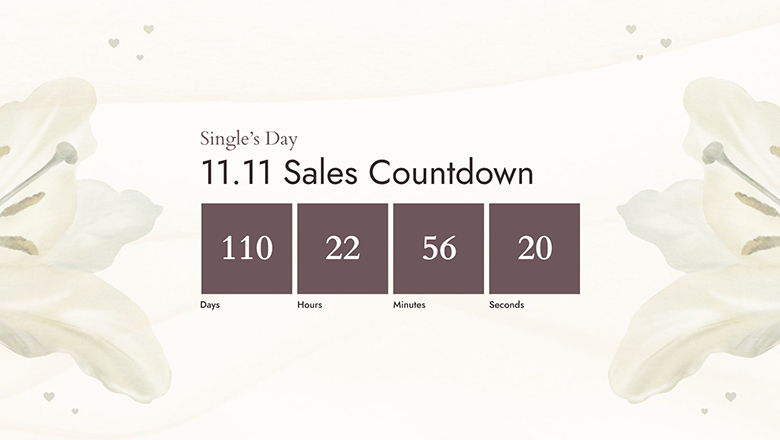
20. Countdown-to-Valentine’s Flash Sale
Instead of running one long sale, short flash sales spread across several days keep your campaign feeling active.
Each drop creates a reason to come back, which is far more effective than asking people to care just once.
21. Match & Save Product Pairings
Pairing complementary products reassures shoppers that they’re making a good choice. During Valentine’s Day, when people worry about getting gifts “right,” that reassurance matters.
It also increases average order value without feeling like an upsell.
22. Personalized Valentine’s Day Discounts
Personalized discounts feel more thoughtful than generic ones. Basing offers on browsing behaviour or preferences reflects how people actually shop.
It rewards interest, not luck.
23. Friends-Who-Shop-Together Promotion
This campaign taps into shared shopping behaviour—friends buying together, comparing options, or sending links back and forth.
Encouraging group participation makes the experience feel social, which fits naturally with Valentine’s Day.
24. Last-Minute Valentine’s Day Sale
Every Valentine’s Day has late shoppers. This campaign is for them.
By focusing on speed, convenience, or instant delivery, you make the decision easy for people who are already out of time.
Valentine’s Day Content Campaign Ideas
Valentine’s Day content works best when it fits into a bigger picture too, especially if you’re thinking about long-term customer relationships instead of treating the holiday as a one-off moment. Overly promotional content tends to disappear quickly, while content that reflects real experiences earns attention and shares. Not everyone is rushing to celebrate, but about 56% of consumers still plan to celebrate Valentine’s Day, meaning content that feels real beats generic holiday posts.
25. Brand Dating Profile Content Series
Turning your brand into a dating profile adds personality without requiring a full campaign overhaul. The format is familiar, flexible, and easy to adapt across channels.
It lets brands highlight features, values, or benefits in a way that feels light rather than salesy.
26. Valentine’s Day Meme Campaign
Memes are a low-effort way to stay culturally relevant during a busy season. They work because they acknowledge shared Valentine’s Day experiences—excitement, indifference, or quiet exhaustion from too many hearts.
Relatable usually beats polished.
27. User-Generated Love Stories Campaign
Inviting customers to share stories builds authenticity and social proof. During Valentine’s Day, this kind of content feels especially meaningful because it reflects real relationships, not idealized ones.
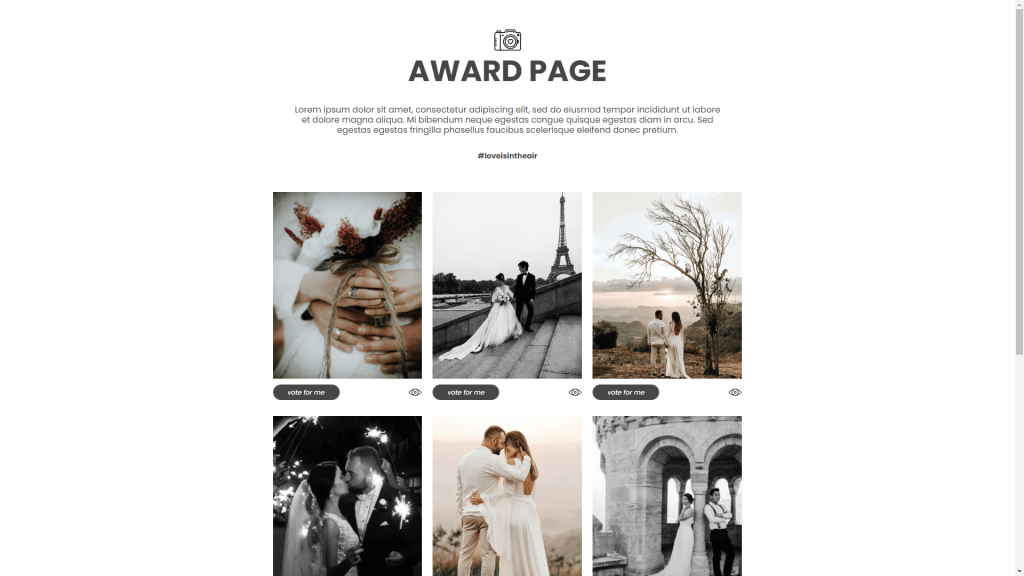
28. Customer Love Notes Wall
A wall of testimonials or customer messages reinforces trust while staying on theme.
It’s a subtle way to highlight satisfaction without turning the content into a sales pitch.
29. Couple vs Single Content Series
This format works because it acknowledges that Valentine’s Day looks different for different people. Covering multiple perspectives keeps the content inclusive and relevant.
No one feels left out, which is rare for this holiday.
30. Valentine’s Day Countdown Content
Daily content builds momentum leading up to February 14. It keeps your brand visible while giving audiences a reason to engage more than once.
Consistency does a lot of the work here.
31. Social Poll-Based Valentine’s Content
Polls are quick, easy, and oddly satisfying to answer. They work especially well on social platforms where attention spans are short but interaction still matters.
32. Interactive Valentine’s Email Content
Interactive email content gives subscribers something to do instead of something to skim.
In a crowded Valentine’s inbox, interaction is often what earns a second look.
Anti-Valentine’s & Single-Friendly Campaign Ideas
Valentine’s Day isn’t universally romantic, and pretending otherwise usually backfires. Acknowledging alternative experiences makes brands feel more relatable, not less festive.
33. Anti-Valentine’s Day Campaign
This campaign gently pushes back on Valentine’s overload without rejecting the holiday entirely.
It works because it validates fatigue while still offering value.
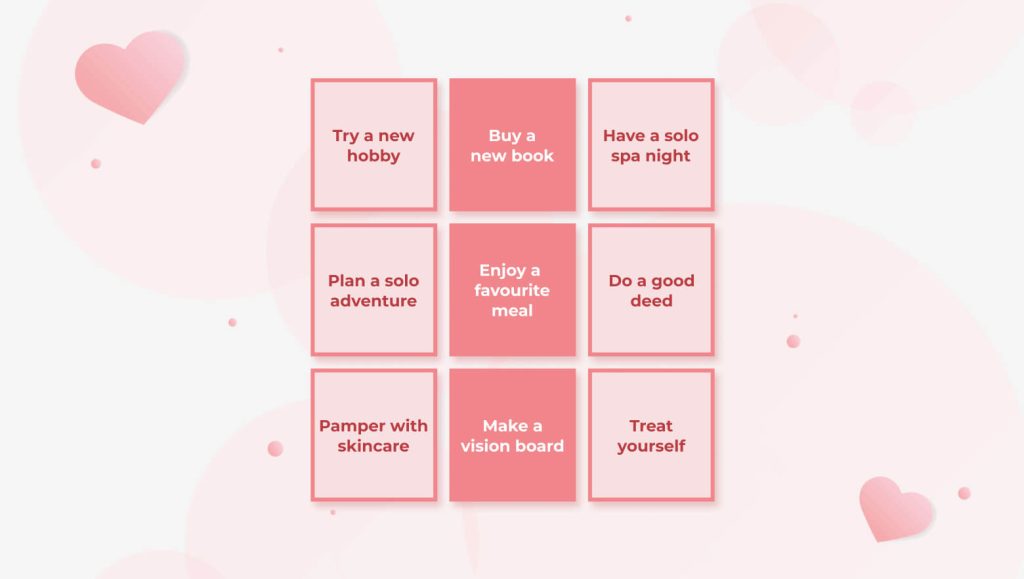
34. Self-Love Valentine’s Campaign
Self-love campaigns focus on personal rewards rather than romantic gestures. They align naturally with existing shopping behaviour and avoid overused messaging.
35. Breakup Survival Kit Campaign
Positioning products as comfort items reframes Valentine’s Day for a different audience. It’s practical, honest, and surprisingly effective.
36. Galentine’s Day Campaign
Celebrating friendships shifts the focus away from romance. This works especially well for brands built around shared experiences or community.
37. “No Valentine, No Problem” Promotion
This promotion removes pressure by reframing Valentine’s Day as optional. The relaxed tone resonates with audiences who feel disconnected from traditional messaging.
38. Single-Focused Valentine’s Content Series
Content that speaks directly to single audiences without irony feels refreshing. It acknowledges reality instead of treating singleness as a punchline.
Valentine’s Day Gift Campaign Ideas
Gift-focused Valentine’s Day campaigns work best when they reduce uncertainty. Most people aren’t searching for the perfect gift—they just want reassurance that they’ve made a good choice.
39. Curated “Safe Bet” Valentine’s Gifts
A lot of Valentine’s Day shoppers are just trying not to get it wrong. A curated “safe bet” gift selection gives people reassurance without asking them to think too hard.
Highlight your bestsellers, crowd favourites, or consistently well-reviewed products. It’s simple, practical, and surprisingly effective—especially for last-minute shoppers who value confidence over creativity.
40. Build-Your-Own Valentine’s Gift Bundle
Customizable bundles offer flexibility without overwhelming users. It’s control without complexity, which is a hard balance to strike.
41. The “Upgrade What They Already Love” Valentine’s Gift
This idea is simple: instead of asking shoppers to pick something completely new, you point them toward a better version of something they already want. Same product category. Same comfort zone. Just elevated.
Like premium editions, limited Valentine’s packaging, added features, nicer materials, or an upgraded bundle that feels intentional rather than random. The customer isn’t reinventing the gift—they’re just choosing the “nicer” option and calling it a day.
It just makes it feel a little more special, which is exactly what this season quietly demands.
42. Last-Minute Digital Valentine’s Gifts
Digital gifts solve a very real problem: timing. No shipping, no stress, no awkward delays. Hint hint: gift cards.
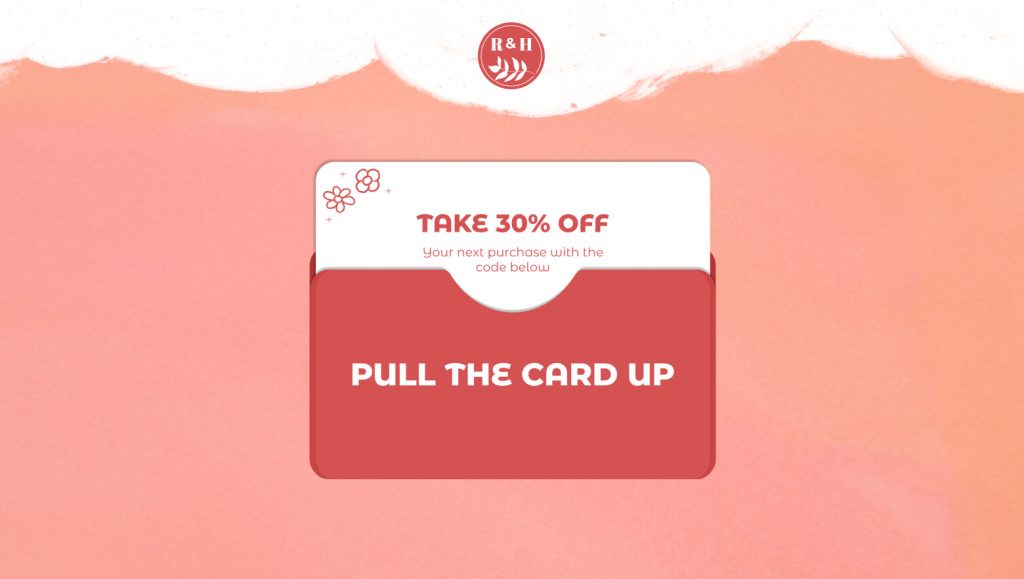
43. Interactive Valentine’s Gift Guide
Interactive gift guides keep users engaged while helping them narrow options. The interactivity makes the guide feel useful rather than catalog-like.
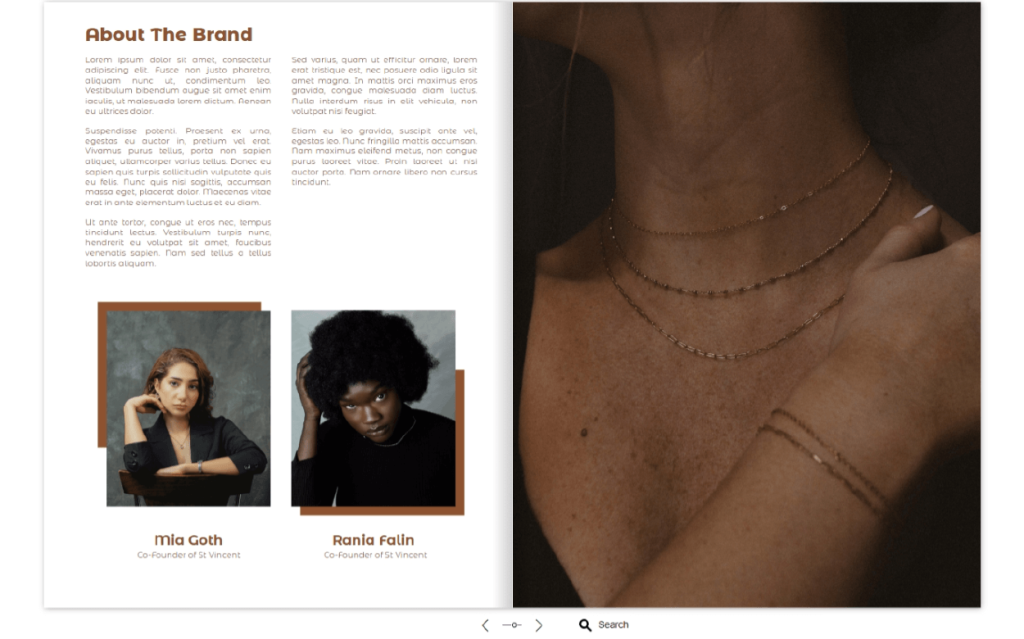
44. Couple and Friend Gift Guides
Segmented gift guides reduce mental effort by clearly matching gifts to relationships. Less thinking, faster decisions.
Seasonal & Countdown Valentine’s Campaign Ideas
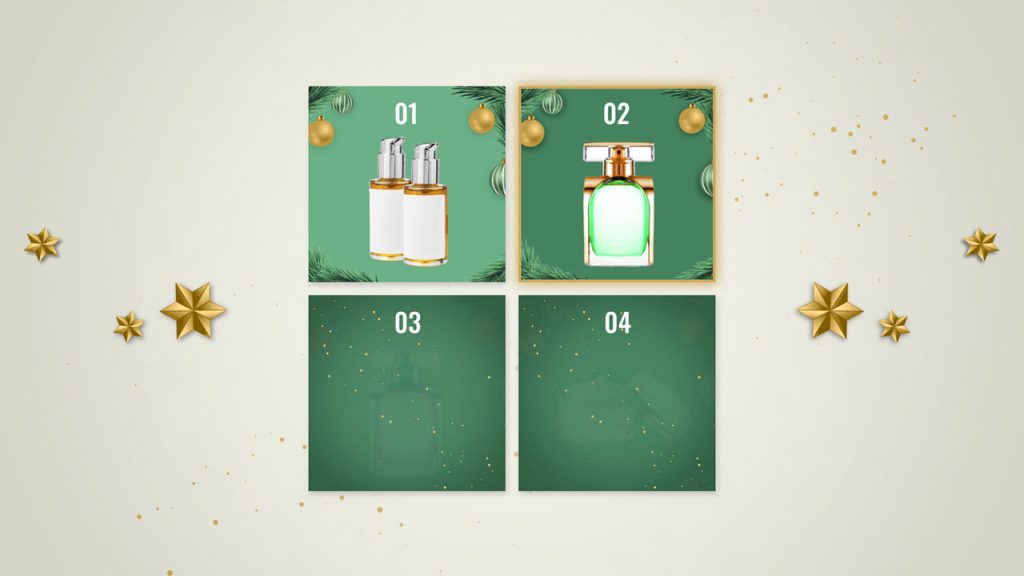
45. Valentine’s Day Advent Calendar
An advent-style Valentine’s Day campaign spreads engagement across multiple days. It builds anticipation and encourages repeat visits instead of one-and-done interactions.
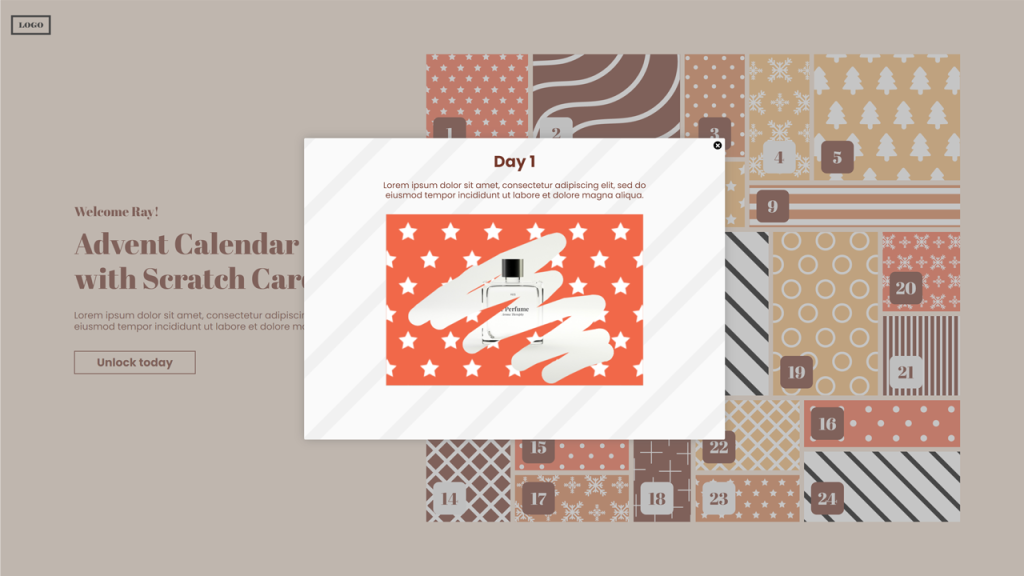
46. Daily Valentine’s Surprise Campaign
Releasing one piece of content or one offer per day gives audiences a reason to come back regularly.
Sometimes consistency is the entire strategy.
Wrapping Up Your Valentine’s Day Marketing Campaigns
Valentine’s Day marketing doesn’t need to be louder, pinker, or more emotional to work. It just needs to feel intentional. The campaigns that perform best aren’t the ones trying to do everything—they’re the ones that help people decide, interact, or move forward without friction.
The common thread is simple: give people something to engage with, not just something to look at. When audiences feel involved, they pay attention longer. And when they pay attention longer, results tend to follow.
If you’re looking to turn these Valentine’s Day marketing ideas into something you can launch (without starting from scratch), we’ve got over 300+ ready-to-use interactive templates covering quizzes, games, Guided Selling experiences, Interactive Videos, and more. They’re designed to help you move fast while still looking like you planned this well in advance. Get started today with a free trial account.